Explore the benefits and challenges of digital payments, along with practical solutions to enhance your financial transactions. Read more to stay informed.
In December 2022, hackers breached Ticketmaster’s digital payment system and stole the credit card details of thousands of Taylor Swift fans during the chaotic “Eras Tour” presale. According to the Federal Trade Commission’s report in March 2023, these fans not only lost their chance to buy concert tickets but also became victims of credit card fraud with unauthorized charges appearing almost immediately. Meanwhile, the lucky fans who used digital payment methods like Apple Pay which generates one-time payment tokens instead of transmitting actual debit card numbers were completely protected from this data breach.
This incident showed me why digital payment systems aren’t just about convenience – they’re about security too. As someone who has been using these technologies for years, I’ve seen firsthand how they’ve changed my financial life for the better. Let me share what I’ve learned on my journey. 🔐
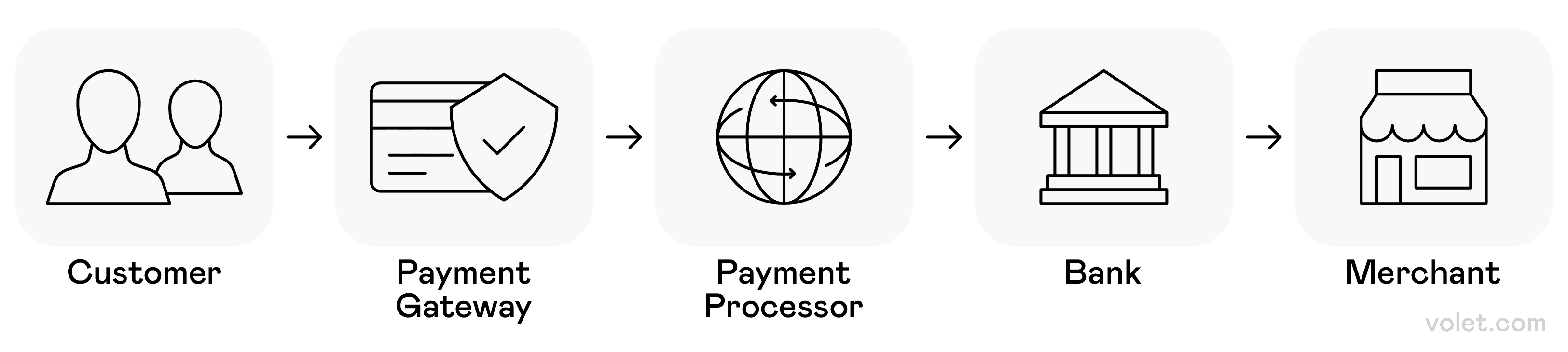
Illustration of the seamless journey of digital payments from customer initiation to merchant settlement through trusted financial intermediaries.
What Are Digital Payments?
Digital payment means any electronic payment of money between parties. My first real experience with digital payments was when my roommate introduced me to Venmo. “You mean I don’t have to go to the bank every time we split groceries?” Mind. Blown. 🤯
Unlike traditional cash transactions (which I was stubbornly holding onto), these digital payments happen through digital devices that connect your bank account to various services. When you make a transaction, your payment details are encrypted and processed through a payment network that verifies and completes the funds transfer.
The evolution has been wild to witness firsthand:
✅ Early days: I remember when PayPal was mainly for eBay purchases
✅ Middle era: Bank apps started letting us send money to friends
✅ Today: I can literally tap my mobile device on a payment terminal and walk away with my coffee
Payment processors are the middlemen in these financial transactions, ensuring my money moves securely from my customer’s bank account to whoever I’m paying. What’s crazy is how normal this has all become! Digital payments have become such a part of everyday life that I barely think about the complex payment networks working behind the scenes.It’s gotten so much more secure too. Remember when we were all afraid to enter our credit card information online? Now with two-factor authentication and other security features, I feel safer using digital payment methods than carrying cash (though nothing’s perfect)
Types of Digital Payments - My Favorite Ways to Pay
Five years ago, my wallet was bursting with cash, coins and credit cards. Today, I just use my mobile phone. This journey taught me which payment methods work best for different situations from grocery runs to dinner with friends. Here’s my personal tour of the digital payment options that changed how I handle money in businesses.
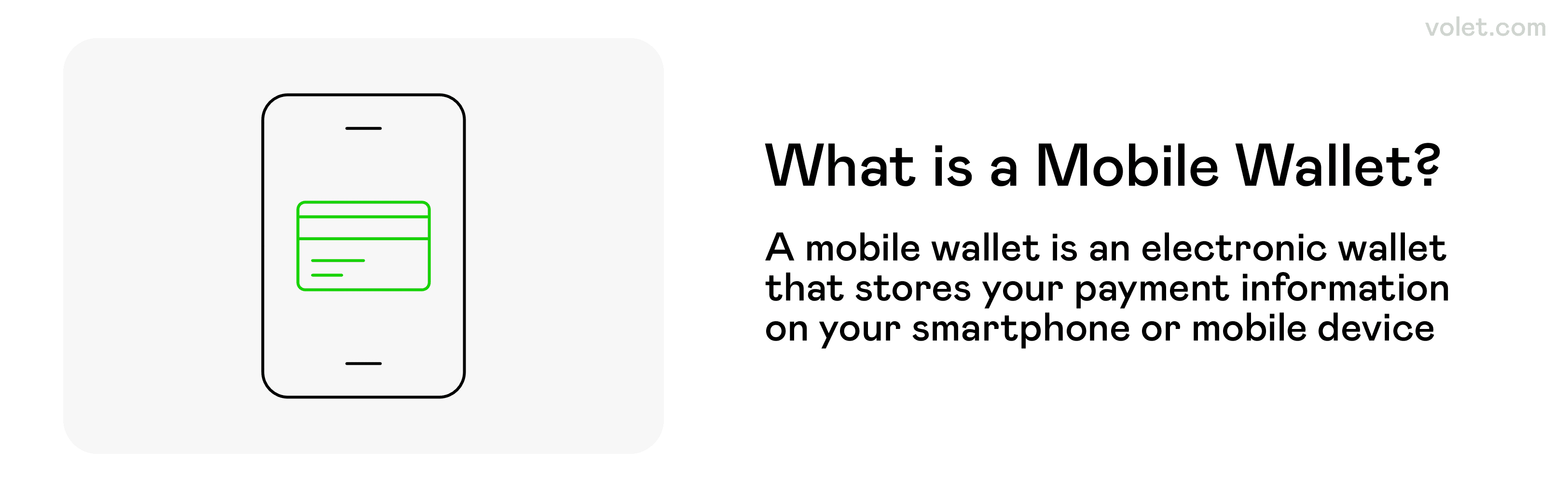
A visual explanation of mobile wallets and their function.
Mobile Wallet Technology - My Phone Is My Wallet Now
Mobile wallet technology has replaced my physical wallet for most purchases. Digital payment services like Apple Pay, Google Pay and Cash App let me store multiple payment methods in one payment account on my smart device.
I still remember my first time using Apple Pay at a grocery store. I nervously held my mobile device to the payment terminal while the cashier and the line behind me waited... and then beep! Transaction approved in seconds using near field communication (NFC technology). No digging through my purse for my debit card, no entering PINs. Just tap and go!
The security aspect is impressive too. These mobile wallet systems use encryption and tokenization so the merchant never sees my actual credit card numbers. Plus, I need my fingerprint or face recognition to approve purchases, which adds another layer of security if my mobile device gets stolen. Mobile money makes it all seamless.
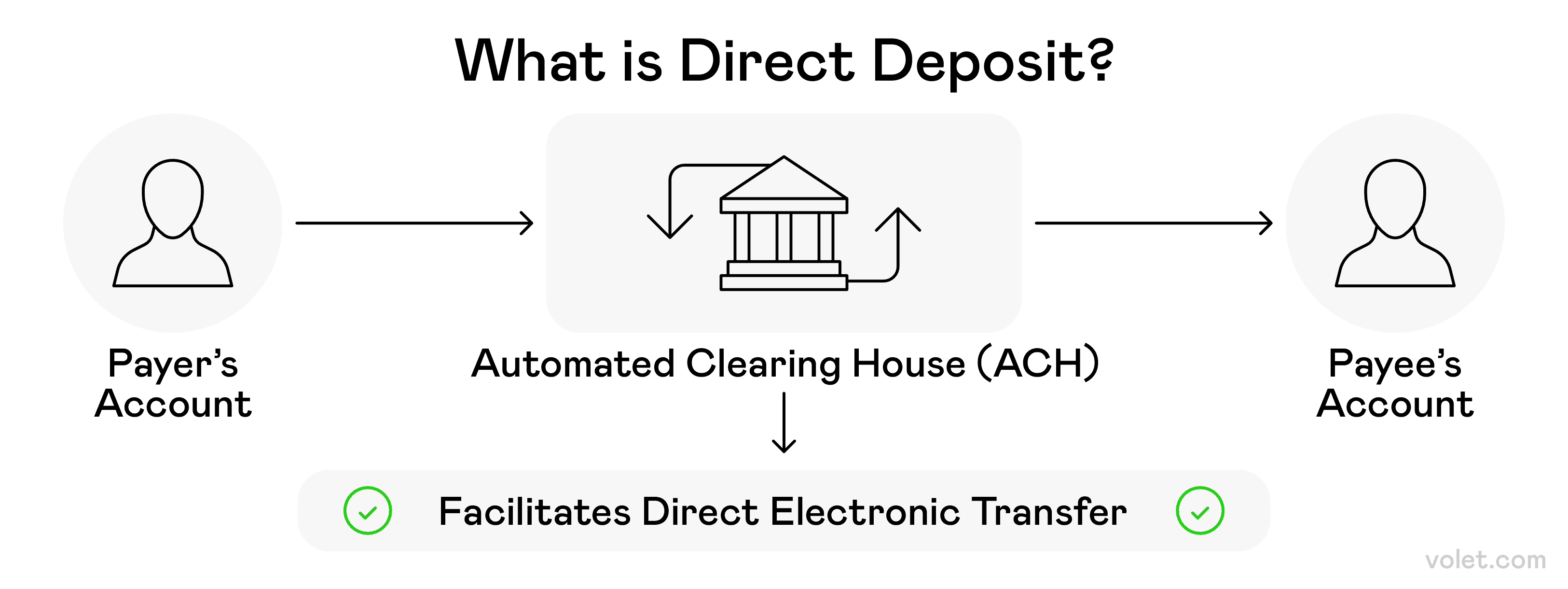
A clear overview of how direct deposit works during transfer of funds electronically from one party to another.
Bank Transfers and Direct Deposits - The Backbone of My Financial Life
Bank transfers are my go-to for larger financial transactions. When I bought my car last year, I wasn’t about to use Venmo for that! A traditional bank transfer from my financial institution felt more appropriate and many banks now offer instant payment options.
For regular bills and my paycheck, direct deposits are my lifesaver. These automated electronic payment transactions happen like clockwork, eliminating the need for me to remember payment dates (which, let’s be honest, I would absolutely forget! 😅). My bank ensures secure transactions.
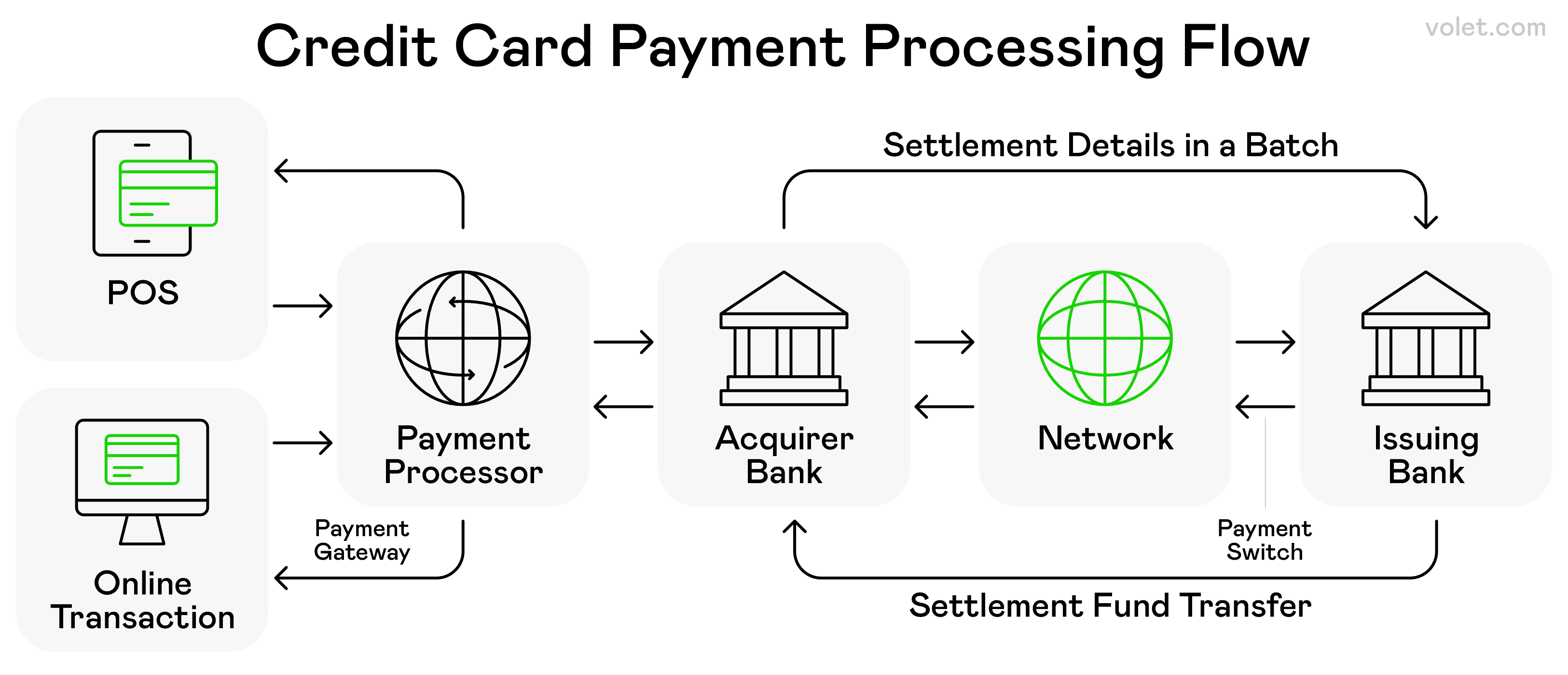
The various stages and entities involved in a typical credit card transaction.
Card-Based Digital Payments - Still Going Strong
Credit card and debit card transactions processed digitally are still a big part of my digital payment routine. When I’m making online purchases, I’m essentially using a digital version of my physical debit card.
What’s changed is the flexibility. My credit account now offers customizable payment schedules and buy-now-pay-later options
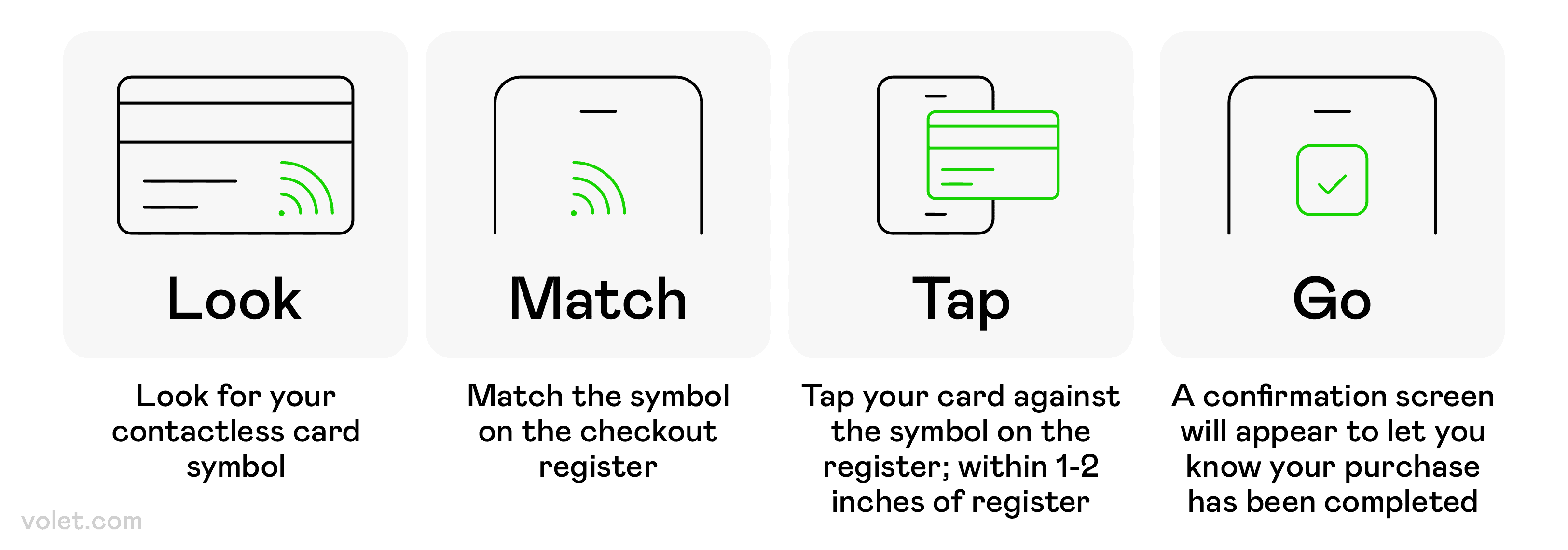
A step-by-step guide on how to use a contactless payment method at a point of sale.
Contactless Payments - Tap and Go!
Contactless payments have changed my retail customer experience. Using my mobile wallet or chip-enabled debit cards, I can complete secure transactions without physically swiping anything. This partially digital approach combines convenience with enhanced security for small businesses.
During the pandemic, contactless payments became my default. Tapping my mobile device or debit card was safer than touching a keypad used by hundreds of customers. Now, I don’t think I could go back to the old ways!
Near field communication (NFC technology) powers these contactless payment systems. This wireless protocol allows digital devices in close proximity, typically within four centimeters, to exchange encrypted information securely. The speed difference is incredible – I’m in and out of physical stores so much faster now.
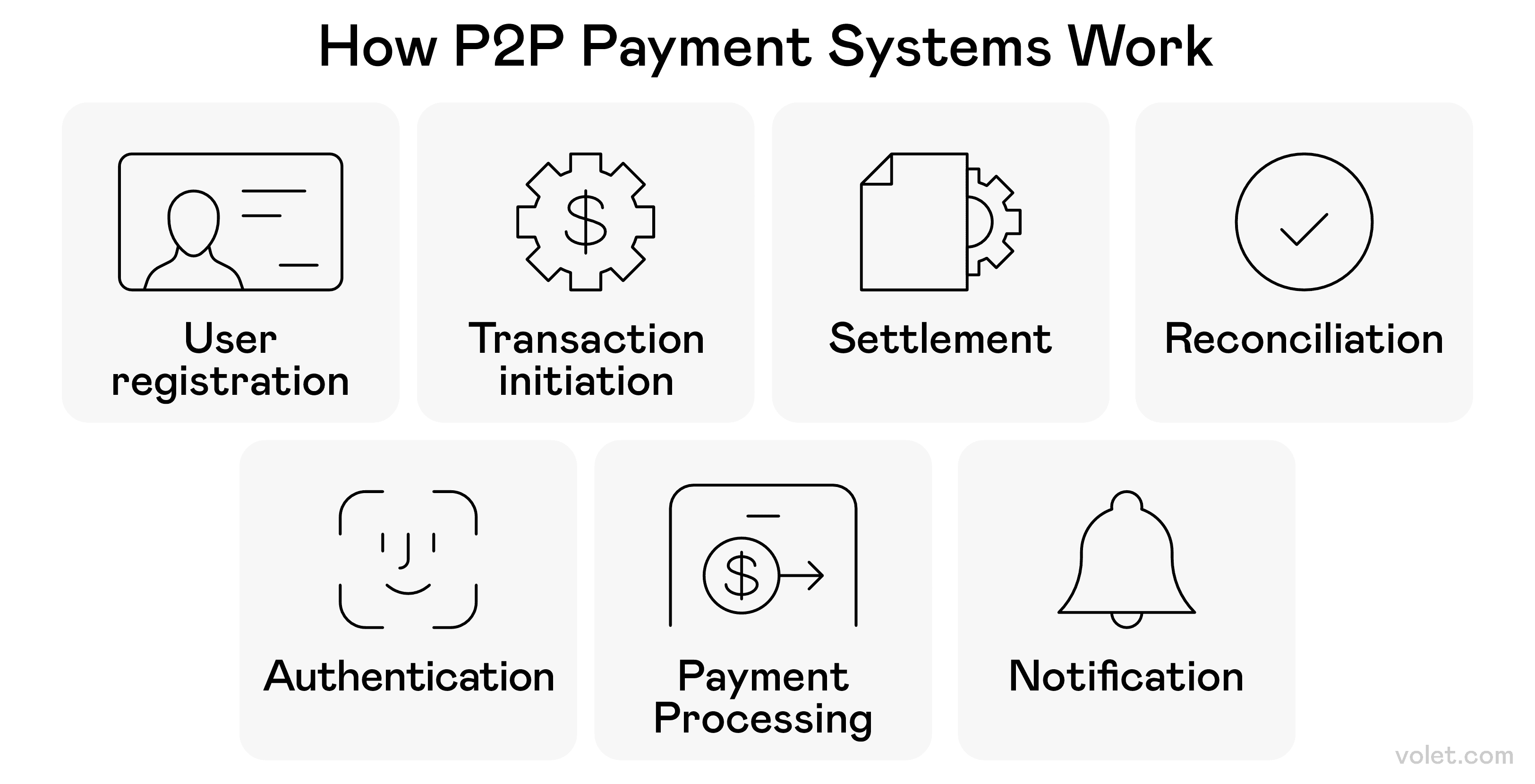
The sequence of actions in a typical peer-to-peer payment transaction.
Peer-to-Peer Payment Services - Friends Don’t Let Friends Use Checks
Cash App has become my weekend warrior. Whether I’m splitting a restaurant bill, paying my dog walker or chipping in for a group gift, this peer-to-peer digital payment tool lets me send money and receive money from friends with minimal friction using mobile money.
Beyond just basic funds transfer, these payment tools let me set up recurring payments for things like my share of utilities. No more awkward “Hey, you still owe me for dinner” conversations! 🙏
Digital Payment Benefits - Why I Made the Switch
My colleague Sarah finally switched to digital payments after her wallet was stolen last winter. With bank transfers and mobile wallet apps, she was able to pay bills and make purchases while waiting for new credit cards. What started as a necessity became her preference; she appreciated the transaction notifications and spending insights she never had with cash. Now she wonders why she waited so long to embrace the convenience and security of digital payments for her small business. Here’s why I think she made the switch:
Enhanced Security and Fraud Protection - Peace of Mind
Security features in digital payments have saved me from fraud multiple times. Instead of transmitting my actual credit card number, modern digital payment solutions use tokenization, replacing sensitive payment details with unique symbols.
✅ Encryption protects my data during online transactions.
✅ I get instant notifications when my bank accounts are used.
✅ Suspicious activity is flagged immediately.
❌ No system is 100% secure (I still monitor my accounts regularly)
Convenience and Accessibility - Payment Anywhere, Anytime
The convenience factor cannot be overstated. From my morning coffee run to paying my monthly bills, digital payment methods have eliminated so many hassles from my financial life.
When I traveled internationally last year, I didn’t have to worry about currency exchange or carrying cash. Many payment services handled the conversions automatically, making financial transactions seamless regardless of which country I was in.
Cost Efficiency - Saving Money While Spending It
Digital payment systems often reduce transaction costs. I’ve noticed fewer fees compared to traditional banking methods, especially with peer-to-peer services that offer free transfers between individuals.
I used to spend $25 a year just on checkbooks – now I can’t remember the last time I wrote a check! All those little savings from online payments add up.
Financial Management and Tracking - Where Does My Money Go?
The automatic categorization of my spending has revolutionized my budgeting. I can actually see where my money goes each month without manually logging everything. This visibility has helped me make better financial decisions (like realizing how much I was spending on takeout! 😱).
For my small businesses, digital payment systems provide analytics that help me understand customer behavior and sales patterns. This data has been invaluable for my business planning.
Environmental Impact - Going Green With My Green
By reducing paper usage and eliminating physical money transportation, digital payment methods contribute to environmental sustainability. No more paper receipts cluttering my wallet feels like a small but meaningful win for the planet. 🌎
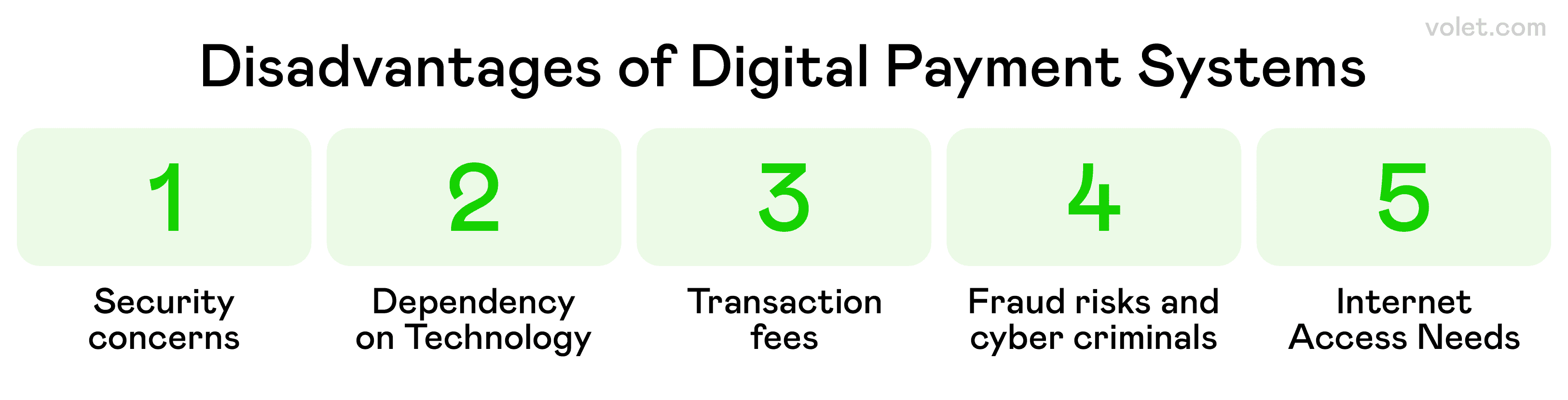
An overview of potential drawbacks associated with using digital payment systems.
Digital Payment Challenges - Not All Digital Roses
Despite my enthusiasm for digital payments, I’ve encountered some significant hurdles worth acknowledging:
Digital Divide Concerns
Not everyone has equal access to digital payment methods. My grandmother still writes checks because she doesn’t own a mobile phone, and many small businesses in rural areas struggle with reliable internet connections needed for payment processing. This creates very real participation barriers for customers looking to use mobile wallet technology. 👵
Technical Glitches
I’ve experienced the panic of payment apps crashing mid-transaction! Server outages in the payment network, buggy updates, and processing delays have taught me to always carry a physical debit card as backup. During a major service outage last summer, I couldn’t access my bank account through my mobile device to make secure transactions. 🔄
Trade-Offs
Every financial transaction creates a data footprint that financial institutions may track for marketing purposes. After discovering one payment processor was selling anonymized transaction data to businesses, I’ve become much more cautious about sharing my payment details when using services like Apple Pay or Google Pay. 🕵️
Vulnerabilities
Two-factor authentication and advanced security features can’t protect against sophisticated phishing attempts targeting your bank account information. When making online purchases or using contactless payments at a payment terminal, I’m always careful about which payment tools I trust with my money. 🛡️
Hidden Fees
Peer-to-peer services like Cash App let you send and receive money with minimal fees, but currency conversion fees when you transfer money internationally can add up quickly. Some recurring payments through digital payment solutions might include charges that affect your credit limit or savings accounts! 💰
Despite these challenges in everyday life, I still prefer digital payments. The key is being informed about how digital payments work, being skeptical, and having a payment option that doesn’t rely on NFC technology!
Digital Payment Companies - The Players in My Wallet
Five years ago, my wallet was stuffed with cash, coins, and cards. Today, I mostly just use my phone. This journey through different payment methods taught me what works best in different situations—from grocery runs to dinner with friends. Here’s my personal tour of the options that transformed how I handle money.
Stripe - The Developer’s Dream
Stripe supports over 135 currencies, so it’s my go-to payment processor for my online business with international customers. Their developer-friendly tools let me customize my checkout exactly how I want it.
PayPal - The Original Digital Payment Pioneer
With over 400 million active accounts, PayPal’s global reach is massive. I’ve been using them since the early days and they’ve evolved from a simple transfer service into a full-fledged financial platform offering business loans to cryptocurrency trading.
JPMorgan Chase - Traditional Banking Meets Modern Tech
JPMorgan Chase offers payment processing through J.P. Morgan Payments. I use them for business transactions, but their enterprise-grade digital payment solutions give me peace of mind for larger transfers.
Cash App - Simple, Fast, Free
Cash App lets users send and receive money with no fees for standard transfers. When my friend is picking up concert tickets for our group, Cash App makes it easy to reimburse them instantly without any extra costs eating into our entertainment budget.
Discover Credit Card - Seamless Integration
Discover cards work with digital wallet solutions like Apple Pay and Google Pay. This means I can use my Discover card through my phone’s wallet for contactless payments, adding another layer of convenience.
Venmo - The Social Payment App
Venmo allows businesses to accept payments once they create profiles. My favorite local coffee shop recently started accepting Venmo, so my morning caffeine fix is even more convenient. The social features make splitting bills with friends feel less transactional and more fun.
Checkout.com - Security First
Checkout.com prevents fraud through intelligent acceptance and layered authentication. When I’m shopping online, knowing that merchants use systems like this gives me confidence that my payment details are protected.
Flywire - Specialized Transactions
Flywire serves payers in education, healthcare, travel, and B2B markets. When I needed to make an international tuition payment for an online course, their specialized approach made a complex transaction surprisingly smooth.
Wise - International Money Movement
Wise enables international transactions across more than 160 countries, offering transparent exchange rates. When I needed to send money to a friend overseas, their rates saved me a lot of money compared to what my bank was offering.
Pangea Money Transfer - Global Reach
Pangea’s platform lets users send money anywhere in the world. Their mobile-first approach made it super easy to help my cousin, who was traveling abroad and had their wallet stolen.
Volet.com - Crypto Made Simple
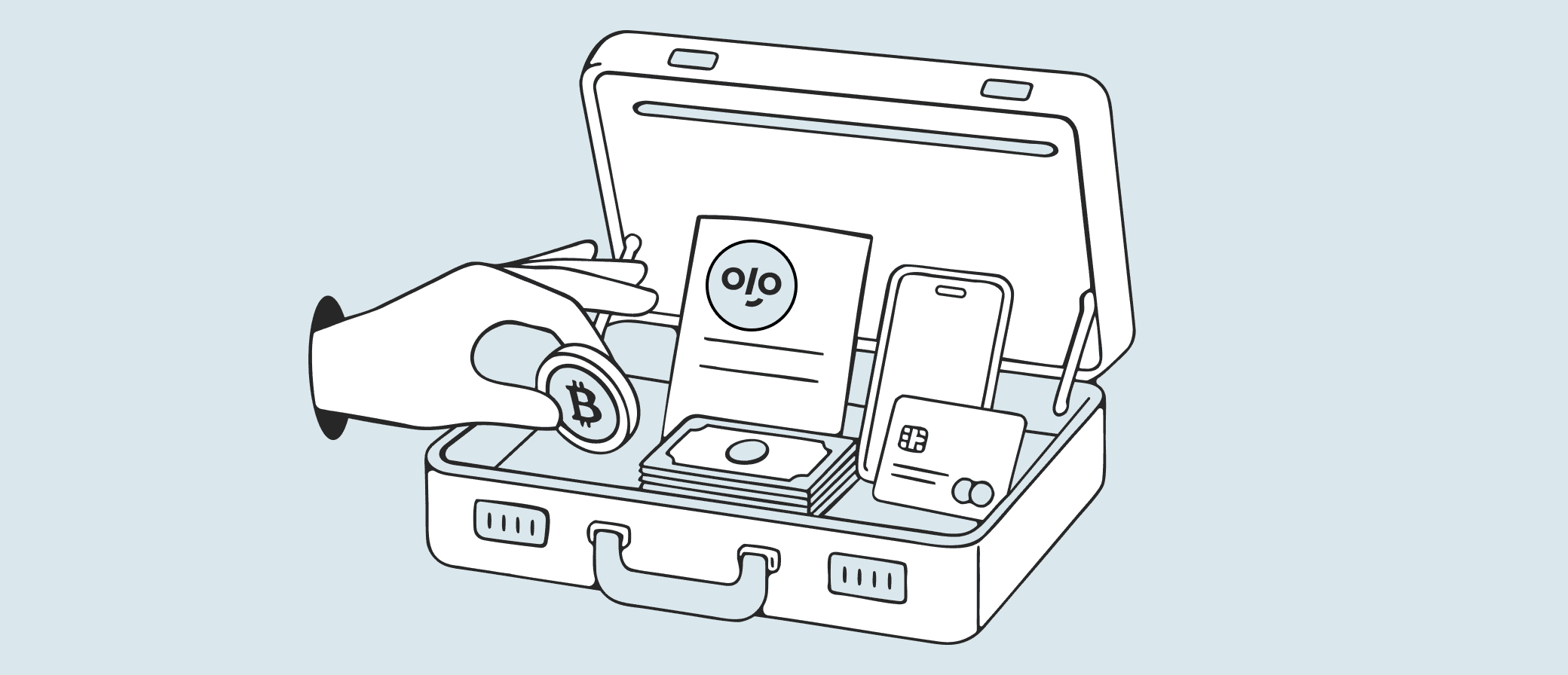
Founded in 2014, Volet.com is a service I’ve recently started using for international transfers. They use blockchain technology to provide fast, low-cost transactions without making me navigate complicated crypto processes. They support over 150 countries with more than 110 fiat currencies and their instant P2P transfers have saved me when I needed to send money abroad quickly.
Conclusion
The digital payment landscape is moving at lightning speed and I’m managing my finances in both personal and professional contexts. As these systems get more advanced, I find the line between traditional banking and digital payment solutions blurring.
Of course, there are still challenges with cybersecurity, privacy and regulations. But based on my experience, the benefits of digital payment methods far outweigh the drawbacks. I went from being skeptical to being a total convert.
As you navigate this landscape, remember that different payment methods are for different situations. I don’t view digital payments as a replacement for all traditional methods but as additional tools in my financial arsenal. I mix and match based on the situation, balancing convenience with security and cost.
FAQs
Digital payments employ encryption, tokenization, and authentication protocols that significantly reduce fraud risk compared to physical cash or checks, which can be stolen or forged more easily.
Transfer speeds vary by provider and method—domestic transfers through services like Cash App or Venmo typically process instantly, while bank-to-bank transfers might take 1-3 business days, depending on the institutions involved.
Many peer-to-peer services offer free transfers between individuals, but businesses typically pay processing fees ranging from 1.5% to 3% of transaction values. Some services also charge for instant transfers or international payments.
Yes, many services support international transfers, though availability and fees vary significantly. Specialized providers like Wise and Volet.com typically offer better exchange rates than traditional banks for cross-border transactions.
Consider factors like transfer speed, security features, supported currencies, recipient accessibility, and fee structures. For frequent transfers to specific individuals, choose platforms where both parties already have accounts to maximize convenience and minimize costs.
Digital payments are electronic transactions made through apps, online platforms, cards, wallets, bank transfers, or other payment systems without using physical cash
Digital payments can be faster, easier to track, more convenient for cross-border use, and better suited for online purchases, recurring payments, and mobile-first users.
Common challenges include fraud risk, payment security, provider fees, failed transactions, regional limitations, and the need for reliable identity and account protection.
Disclaimer
This article is provided for informational purposes only and does not constitute legal, financial, or professional advice. All content is based on publicly available information and personal opinions. Readers are advised to seek professional guidance before making decisions or acting based on the material presented. The author and publisher assume no liability for any actions taken or not taken by the reader based on the information contained herein.