Hey there! 👋 I'm about to share something that literally changed my business life. About three years ago, I was running my little boutique store, stubbornly accepting only cash and bank transfers. I was that person who thought, "Why pay those extra fees when I can just use cash?" Boy, was I wrong. 🤦♀️
When I finally caved and set up credit card processing, my sales jumped by nearly 40% in just two months! Turns out, people really do spend more when they can just swipe a card (or tap, or click—you know what I mean).
So I've spent countless hours researching the best payment processors out there, and I'm sharing everything I've learned to save you from the mistakes I made. Let's dive into the world of credit card processing in 2026, shall we?
What are Credit Card Processing Companies, Anyway?
Ever wonder what actually happens when someone taps their card at your store? I sure did! Credit card processing is basically the behind-the-scenes magic that makes it possible for you to accept credit card payments and debit card payments from your customers.
Here’s how it works:
Credit card processing is essentially the mechanism that allows businesses to accept credit card payments and debit card payments from customers. It involves a series of steps that begin when a customer swipes, dips, or taps their card at the point of sale (POS) terminal, or enters their card information online through a payment gateway.
The information is then transmitted securely through the payment gateway to the payment processor and the acquiring bank, which verifies the details with the card-issuing bank to ensure the transaction is legitimate and that the customer has sufficient funds. Once verified, the payment is authorized, and the funds are transferred from the customer’s account to the merchant’s account.
This process happens in seconds, enabling businesses to provide a smooth and efficient payment experience. Whether you’re processing credit card payments in person or online, credit card processing is a vital component of modern commerce.
Does My Business Need Credit Card Processing?
I asked myself this question for YEARS. Maybe you’re wondering the same thing?
The short answer: Yes, you absolutely do. (And I wish someone had been this blunt with me earlier!) Here’s why:
Today, consumers expect the convenience of paying with their cards. If you do not offer this option, you risk losing potential customers to competitors who provide a more versatile payment experience through reliable payment gateways.
Moreover, credit card processing enhances the professionalism of your business. It signals to customers that you’re a legitimate and trustworthy operation, capable of handling secure transactions.
Accepting credit card payments can also boost your average transaction value. Studies show that customers are more likely to spend up to 83% more when using credit cards compared to cash. So, not only does credit card processing improve your customer service, but it can also significantly increase your revenue.
Additionally, the annual card turnover of your business can influence the pricing structures and service eligibility offered by different payment providers.
Credit card processing can help improve your cash flow by providing quicker access to funds, ensuring your business maintains a healthy cash flow.
For small businesses, the right credit card processing system can:
- Improve customer satisfaction by offering multiple payment options.
- Streamline the transaction process through efficient payment gateways, ensuring secure payments.
- Reduce hidden fees and monthly fees, improving your bottom line.
- Support in-person transactions and online payments, catering to all customer preferences.
Implementing a robust credit card processing system can also contribute to business growth by freeing up resources and allowing you to focus on expanding your operations.
Credit card processors manage the technical aspects of payment transactions, including authorization, authentication, clearing, and settlement. They act as intermediaries, transmitting customer data securely between the merchant and the payment network.
I held out for way too long because I was scared of the fees and the technology. Don’t be like me! The sooner you get on board, the sooner your business will thank you.
The Top Credit Card Processing Companies for Small Businesses in 2026
After trying (and sometimes crying over) several different payment processors, I’ve put together this list of the best small business payment processing companies out there right now. Here’s a look at their history, best use cases, pros, and cons.
These companies act as merchant service providers, facilitating credit and debit transactions for businesses of all sizes. These companies offer a range of services, including global payments and comprehensive payment acceptance solutions, to cater to businesses of all sizes.
PayPal
Founded in 1998, PayPal revolutionized online payments by offering a secure and convenient way to send and receive money. It quickly became a global leader in digital payments and was acquired by eBay in 2002 before becoming an independent company again in 2015.
PayPal is known for its ability to handle credit card payments efficiently, making it a popular choice for businesses looking to offer flexible payment options.
PayPal’s extensive network supports global payments, making it easier for businesses to handle international transactions.
Best Use Case
PayPal is ideal for small businesses that need a trusted and widely accepted payment solution, especially for online payments and recurring billing. It's also great for businesses with international customers due to its global reach.
Pros:
Wide acceptance and brand recognition.
Easy to set up and use.
Strong security features, including fraud protection.
Supports multiple payment methods, including credit cards, debit cards, and digital wallets.
Cons:
Higher transaction fees compared to some competitors.
Limited customization options for advanced users.
Account freezes can occur, causing temporary disruptions.
Stripe
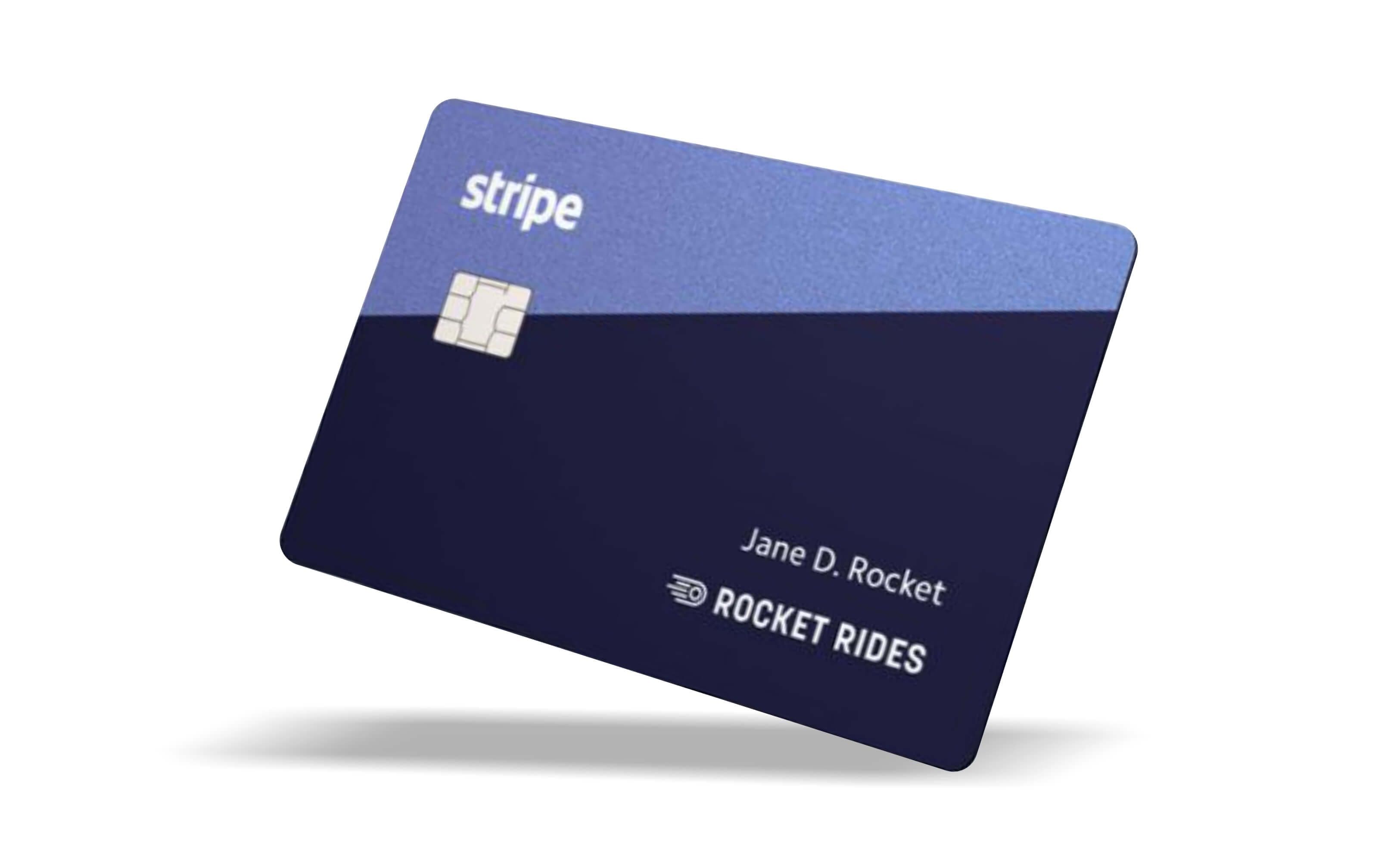
Stripe was founded in 2010 by brothers Patrick and John Collison. It quickly became a favorite among tech-savvy businesses for its developer-friendly API and customizable solutions.
The company also offers competitive payment gateway fees, which can be a significant cost-saving for businesses processing a high volume of online transactions.
Stripe is best for online businesses, particularly SaaS companies and e-commerce platforms, that require a highly customizable payment solution.
Pros:
Powerful API for seamless integration.
Supports a wide range of payment methods, including digital wallets.
Transparent pricing with no setup or monthly fees.
Excellent for businesses with recurring billing needs.
Cons:
Requires technical expertise for setup and customization.
Higher transaction fees compared to some competitors.
Limited customer support options for non-technical users.
Square
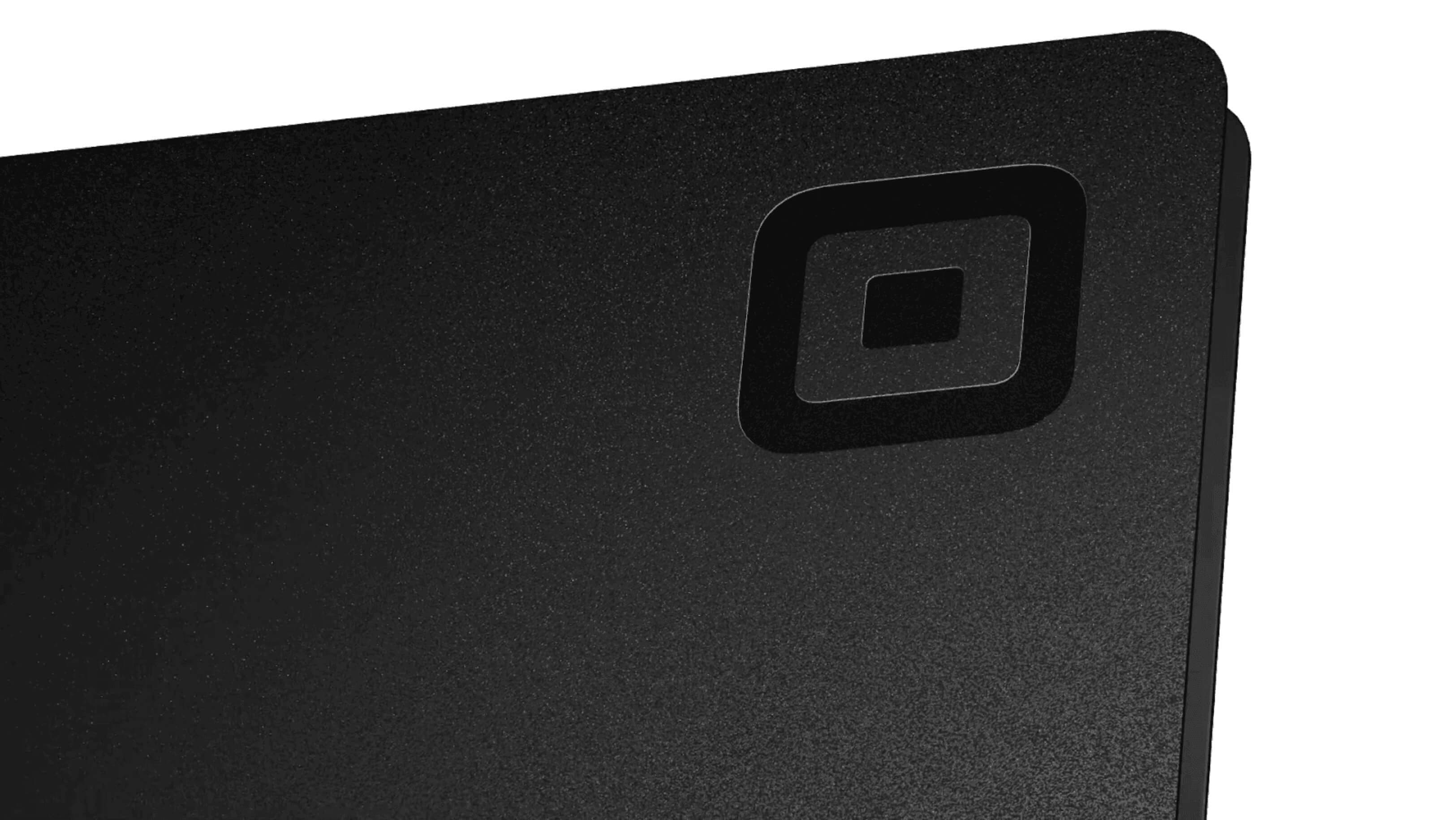
Square was founded in 2009 by Jack Dorsey and Jim McKelvey, aiming to simplify payments for small businesses. It gained popularity with its sleek card machine and user-friendly app.
It provides versatile card machines that are easy to set up and use, without requiring a long-term contract.
Use Case
The company is ideal for small businesses, especially those with in-person transactions, such as retail stores, food trucks, and pop-up shops.
Pros:
Easy to set up and use, with no long-term contracts.
Affordable pricing with no monthly fees.
Versatile hardware options, including mobile card readers.
Transparent pricing with no hidden fees.
Cons:
Limited customization options for advanced users.
Higher fees for keyed-in transactions.
Account stability issues for high-risk industries.
Volet.com
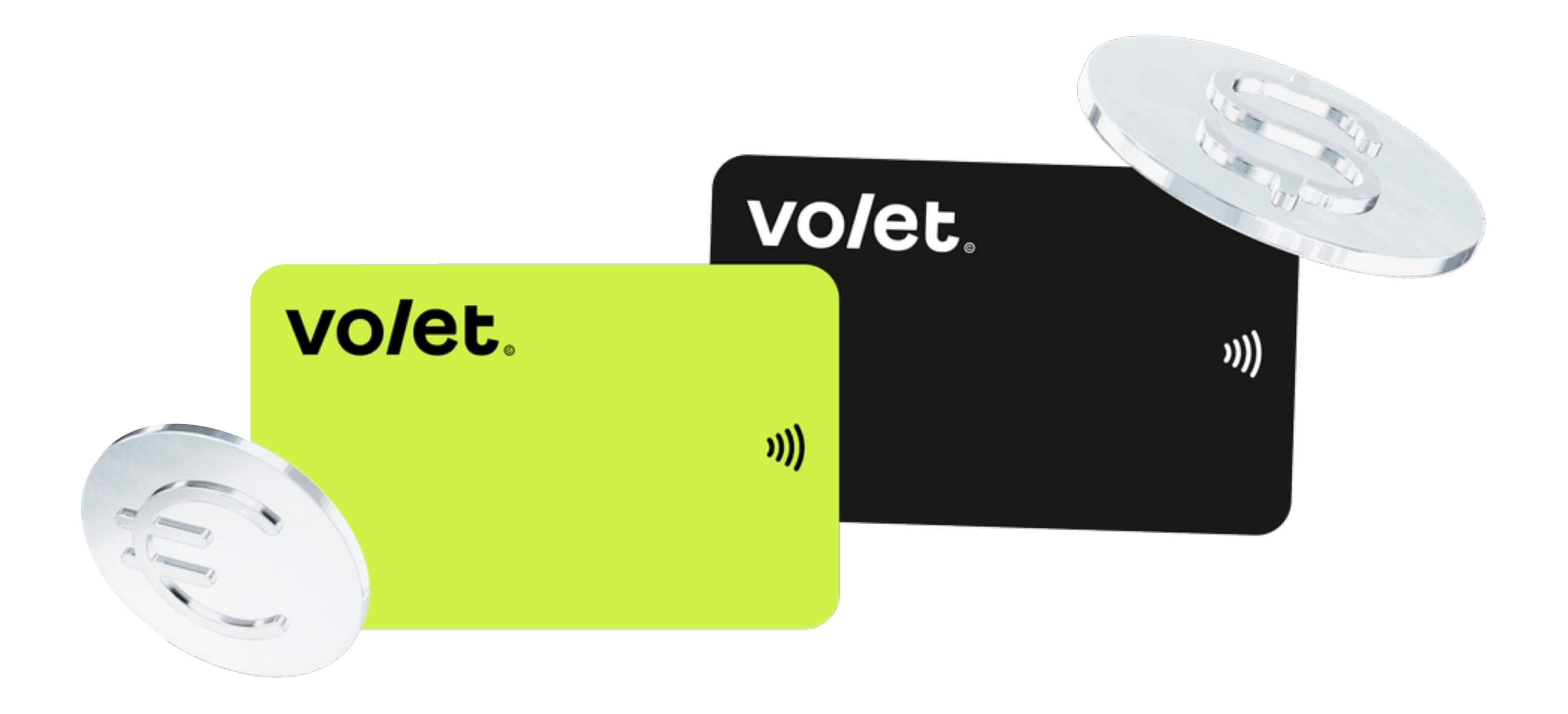
Volet.com is a newer player in the industry, emerging as a cost-effective and user-friendly solution for small businesses. It focuses on providing seamless online payment solutions with transparent pricing.
The company offers robust payment services that enable businesses to accept payments online efficiently.
Best Use Case
Volet.com is perfect for small businesses looking for an affordable and straightforward solution among online payment processors for businesses, particularly for online transactions.
Pros:
Low transaction fees and no hidden costs.
User-friendly interface and easy integration.
Strong focus on security and compliance.
Ideal for businesses with lower transaction volumes.
Cons:
Limited global reach compared to established providers.
Fewer advanced features for larger enterprises.
Still building brand recognition in the market.
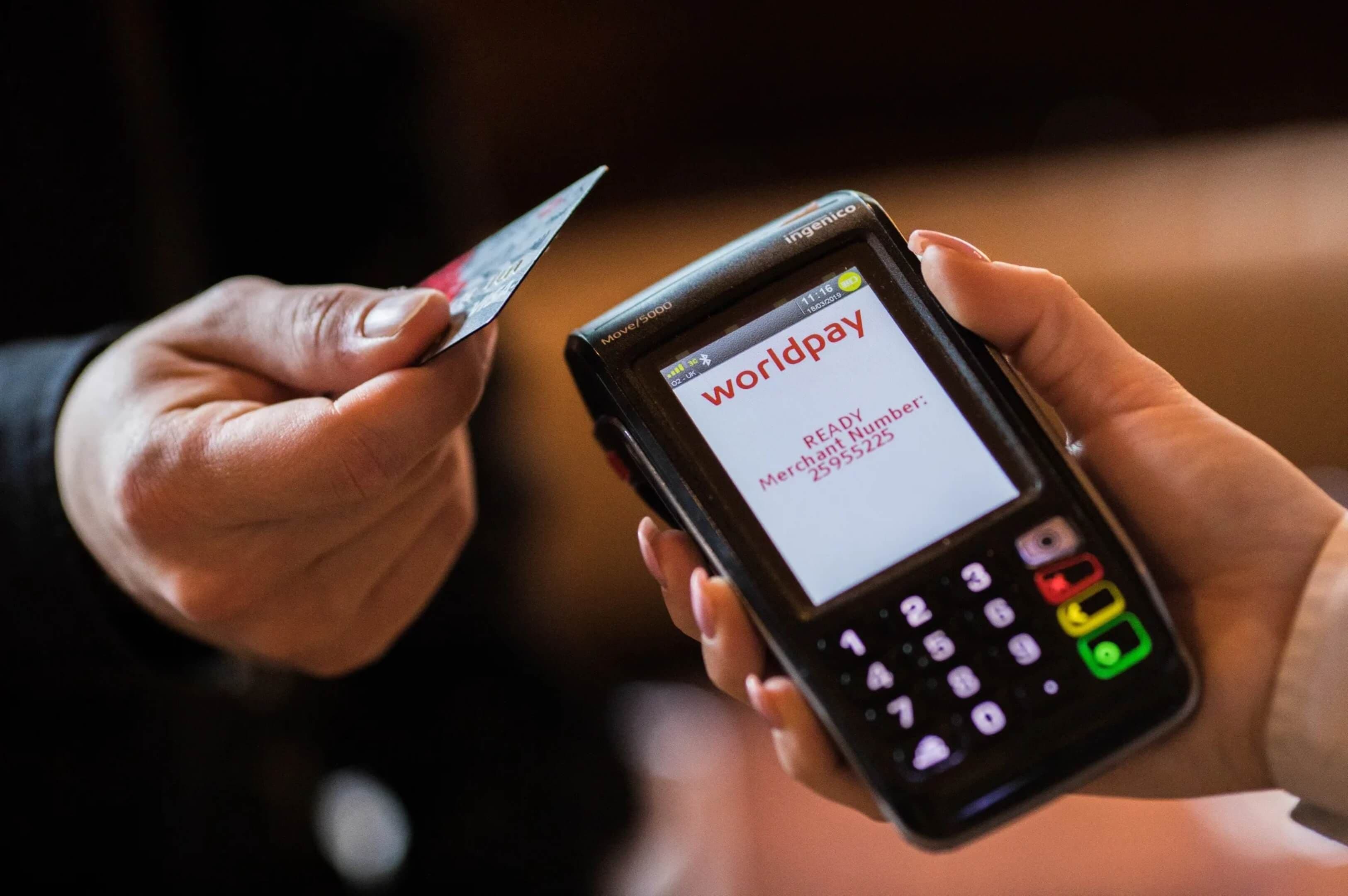
Worldpay
Worldpay, founded in 1989, is one of the largest payment processing companies in the UK. It was acquired by FIS in 2019, further expanding its global capabilities.
It processes a significant volume of card transactions and offers competitive processing fees for businesses.
Best Use Case
Worldpay is best suited for businesses that need a full-stack payment solution, including in-person, online, and international transactions.
Pros:
Comprehensive payment solutions for all business types.
Strong global presence, supporting multiple currencies.
Advanced fraud prevention tools.
Reliable customer support.
Cons:
Higher transaction fees, especially for small businesses.
Complex pricing structure with potential hidden fees.
Setup process can be lengthy for new businesses.
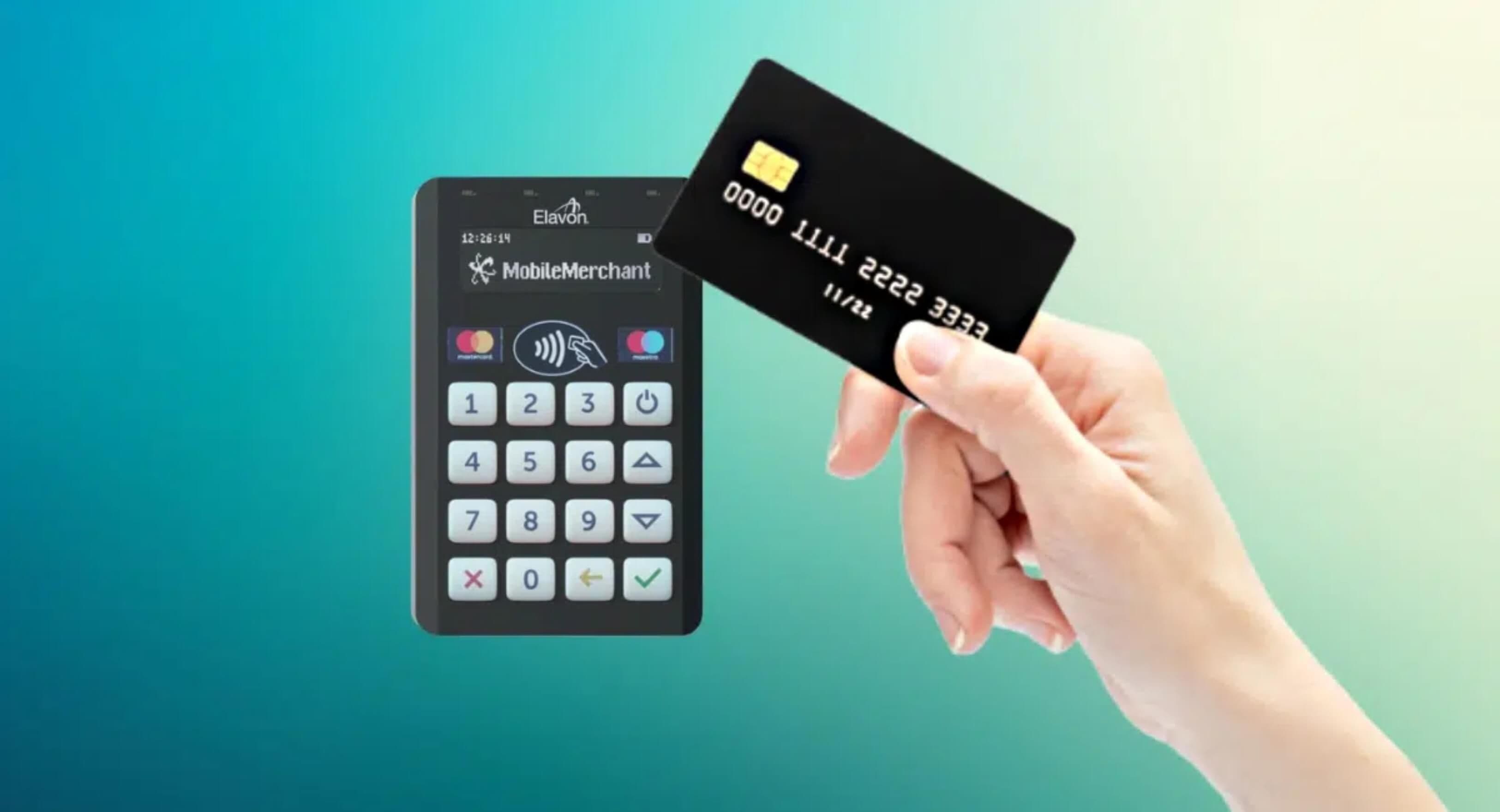
Elavon
Established in 1991, Elavon has grown into a leading payment processor, serving businesses worldwide. It is a subsidiary of U.S. Bancorp and is known for its robust payment solutions. Elavon provides a wide range of payment services, including the setup and management of merchant accounts.
Best Use Case
Elavon is ideal for businesses of all sizes, particularly those needing a reliable payment gateway for online transactions or mobile card machines for in-person payments.
Pros:
Wide range of payment solutions tailored to different industries.
Strong security features, including PCI DSS compliance.
Excellent customer support.
Competitive pricing for high-volume merchants.
Cons:
Setup fees and monthly minimums may apply.
Limited transparency in pricing for small businesses.
Not as user-friendly for beginners.
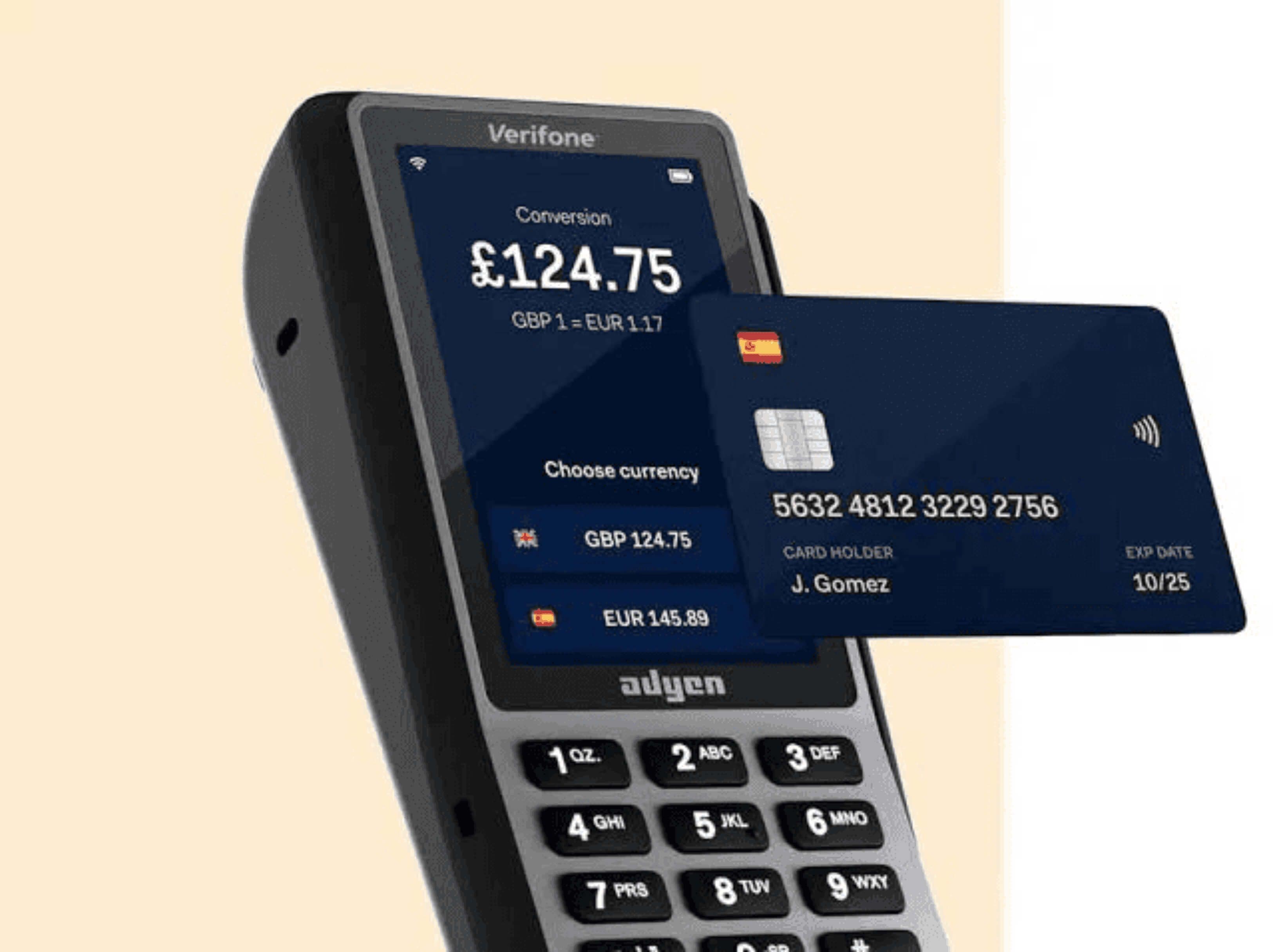
Adyen
Founded in 2006, Adyen has quickly become a global leader in payment processing, known for its innovative technology and ability to handle complex payment needs.
Adyen collaborates with acquiring banks to ensure smooth and secure customer payments across different regions.
Best Use Case
Adyen is perfect for businesses with an international customer base, as it supports payments in multiple countries and currencies.
Pros:
Seamless integration with e-commerce platforms.
Supports a wide range of payment methods, including digital wallets.
Transparent pricing with no hidden fees.
Advanced reporting and analytics tools.
Cons:
Higher costs for small businesses with low transaction volumes.
Requires technical expertise for setup and customization.
Limited customer support options for smaller businesses.
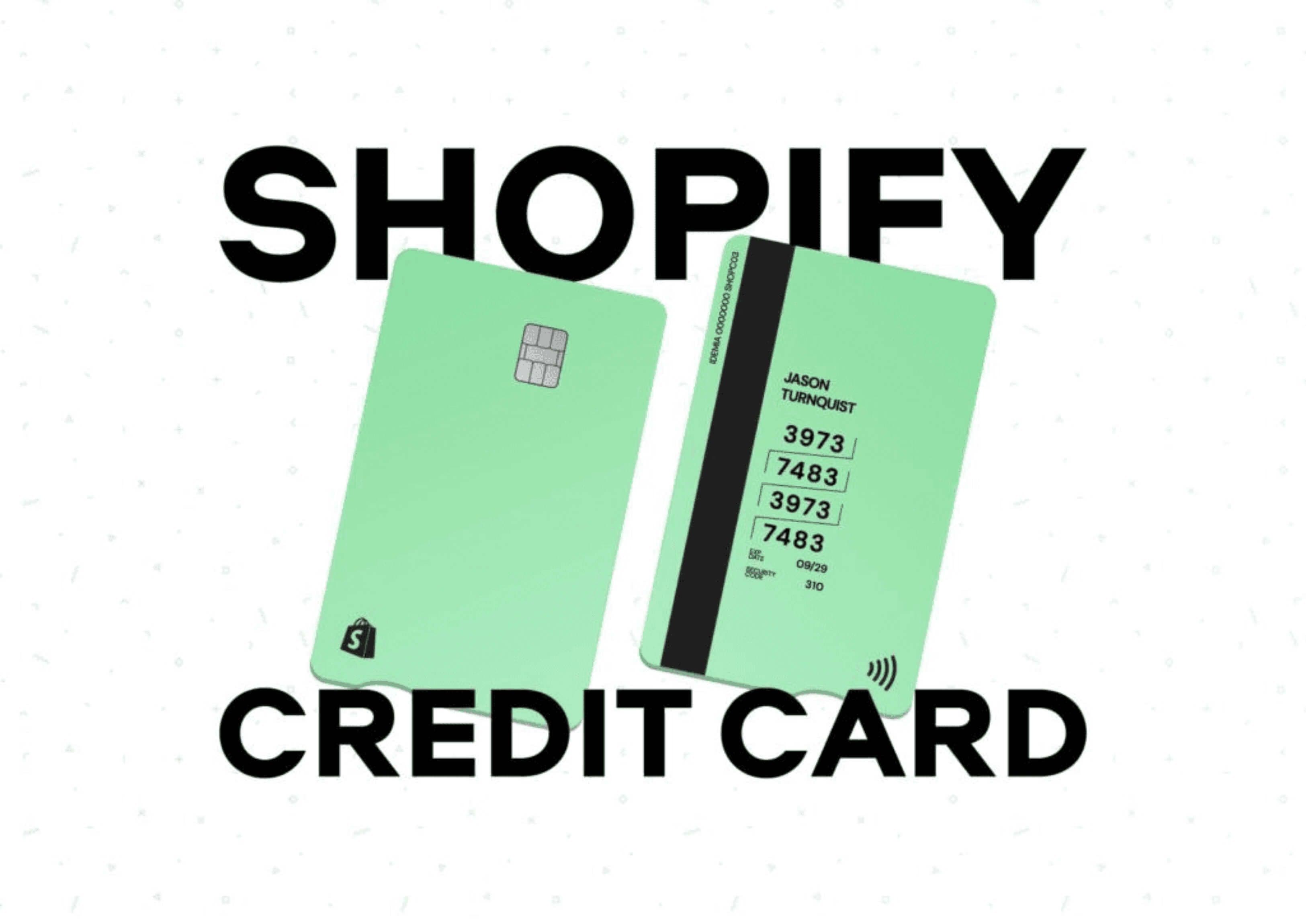
Shopify Payments
Launched in 2013, Shopify Payments is the built-in payment solution for Shopify, one of the leading e-commerce platforms. It simplifies payment processing for online stores by integrating directly with the Shopify ecosystem.
Shopify Payments also helps businesses reduce payment gateway fees and accept customer payments seamlessly.
Best Use Case
Shopify Payments is ideal for e-commerce stores using the Shopify platform, offering seamless integration and a streamlined checkout experience.
Pros:
Fully integrated with Shopify, eliminating the need for third-party gateways.
Competitive transaction fees for Shopify users.
Supports multiple payment methods, including credit cards and digital wallets.
Easy to set up and manage.
Cons:
Only available to Shopify users.
Limited customization options outside of Shopify's ecosystem.
Account stability issues for high-risk industries.
HubSpot Payments
HubSpot Payments was introduced as part of HubSpot’s CRM platform, aiming to simplify payment processing for B2B sales. It integrates seamlessly with HubSpot’s sales and marketing tools.
The service ensures that transaction details are securely transmitted and verified with the customer's bank.
Best Use Case
HubSpot Payments is perfect for B2B businesses that already use HubSpot's CRM and want a unified solution for managing payments and customer relationships.
Pros:
Seamless integration with HubSpot's CRM platform.
Competitive transaction fees with no hidden costs.
Simplifies invoicing and payment tracking for B2B sales.
Easy to set up and use.
Cons:
Limited to businesses using HubSpot's CRM.
Fewer features compared to standalone payment processors.
Not ideal for businesses with high transaction volumes.
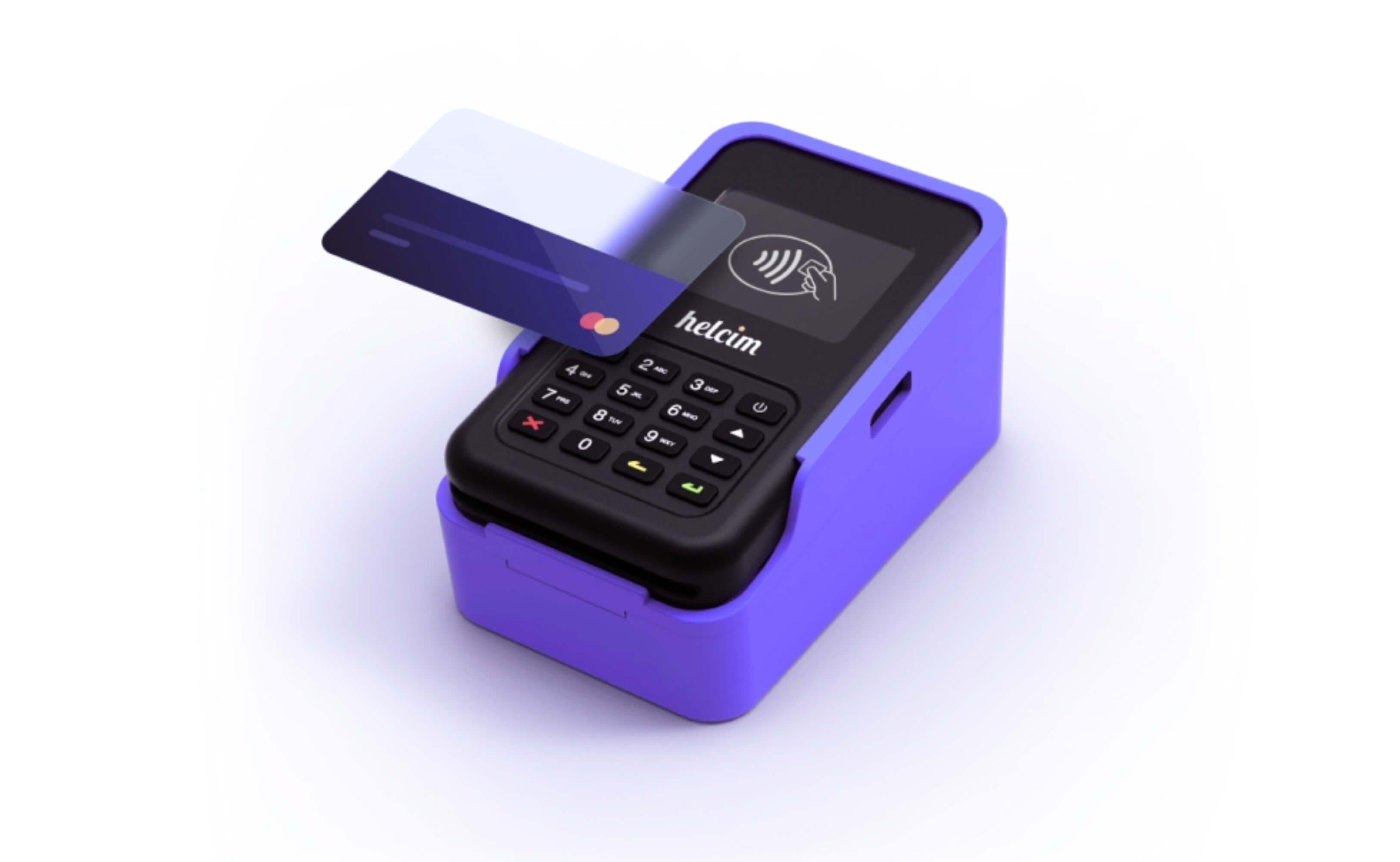
Helcim
Founded in 2006, Helcim is a Canadian payment processor known for its transparent pricing and focus on small businesses. Helcim offers a fixed fee per transaction, making it an attractive option for small businesses looking for predictable costs. It offers interchange-plus pricing, which can lead to significant savings for high-volume merchants.
Best Use Case
Helcim is ideal for small businesses looking for transparent pricing and volume-based savings, particularly those with high transaction volumes.
Pros:
Transparent interchange-plus pricing.
No monthly fees or long-term contracts.
Excellent customer support.
Competitive rates for high-volume merchants.
Cons:
Limited global reach compared to larger providers.
Fewer advanced features for larger enterprises.
Requires a minimum monthly processing volume.
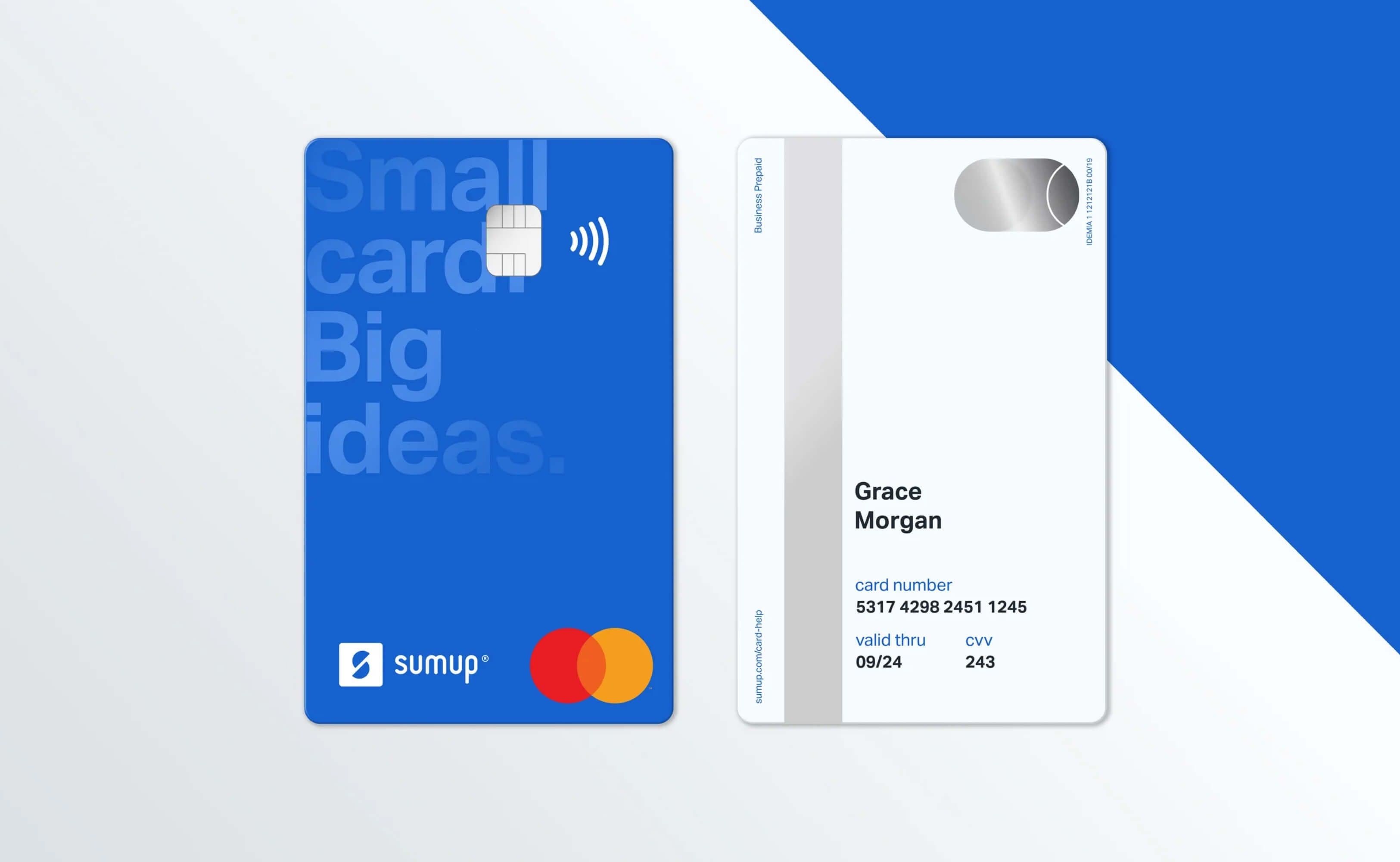
SumUp
SumUp was founded in 2012 in London and has grown into a global payment processor, known for its simple and affordable card readers.
The SumUp card reader is ideal for businesses that need to collect one-off payments efficiently.
Best Use Case
SumUp is perfect for small businesses and sole traders who need an affordable and easy-to-use solution for in-person payments.
Pros:
Affordable card readers with no monthly fees.
Easy to set up and use.
Transparent pricing with no hidden costs.
Supports contactless payments.
Cons:
Limited features compared to full-service providers.
Higher transaction fees for low-volume merchants.
Not ideal for businesses with complex payment needs.
Zettle by PayPal
Zettle, acquired by PayPal in 2018, is a popular payment processor known for its sleek card readers and user-friendly app. It was originally founded in Sweden in 2010.
Zettle's card reader makes it easy for businesses to accept card payments on the go.
Best Use Case
Zettle is ideal for small businesses and pop-up shops that need a simple and affordable solution for in-person payments.
Pros:
Affordable card readers with no monthly fees.
Easy to set up and use.
Integrates seamlessly with PayPal.
Supports contactless payments.
Cons:
Limited features compared to full-service providers.
Higher transaction fees for low-volume merchants.
Not ideal for businesses with complex payment needs.
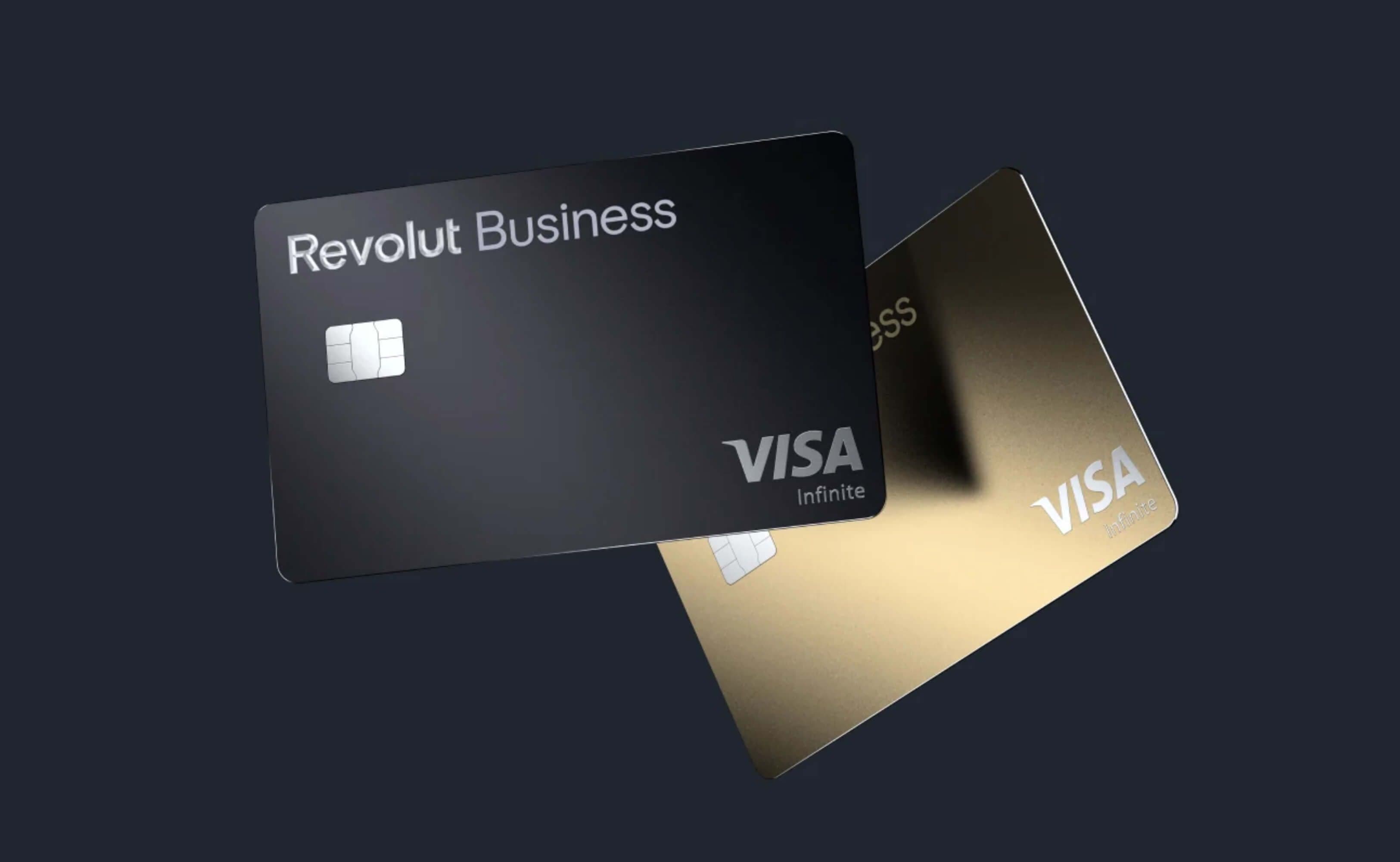
Revolut Business
Revolut, founded in 2015, is a fintech company that offers a range of financial services, including payment processing for businesses. Revolut Business was launched to cater to the needs of small and medium-sized enterprises.
The platform also supports bank payments, allowing businesses to collect funds directly from the customer's bank account.
Best Use Case
Revolut Business is ideal for businesses that need a multi-currency payment solution, particularly those with international customers.
Pros:
Supports multiple currencies with competitive exchange rates.
Easy to set up and use.
Transparent pricing with no hidden fees.
Integrates with accounting software.
Cons:
Limited features compared to full-service providers.
Higher transaction fees for low-volume merchants.
Customer support can be slow.
Opayo (formerly Sage Pay)
Opayo, formerly known as Sage Pay, was founded in 2000 and is one of the UK’s leading payment processors. It was acquired by Elavon in 2020, further expanding its capabilities.
Opayo streamlines the payment process and offers various merchant accounts to suit different business needs.
Best Use Case
Opayo is ideal for businesses that need a reliable and secure payment solution, particularly those using Sage's accounting software.
Pros:
Strong security features, including PCI DSS compliance.
Seamless integration with Sage's accounting software.
Competitive pricing for high-volume merchants.
Excellent customer support.
Cons:
Setup fees and monthly minimums may apply.
Limited transparency in pricing for small businesses.
Not as user-friendly for beginners.
GoCardless
Founded in 2011, GoCardless is a UK-based payment processor specializing in direct debit payments. It has grown rapidly, becoming a popular choice for businesses looking for a cost-effective and secure way to handle recurring payments.
GoCardless enables businesses to efficiently manage customer payments through automated direct debit solutions.
Best Use Case
GoCardless is ideal for businesses that rely on recurring payments, such as subscription-based services, membership organizations, and utility providers.
Pros:
Low transaction fees compared to credit and debit card payments.
Reduces the risk of chargebacks and failed payments.
Easy to set up and integrate with existing systems.
Transparent pricing with no hidden fees.
Cons:
Limited to direct debit payments, not suitable for one-off transactions.
Longer settlement times compared to card payments.
Not ideal for businesses that require instant payment processing.
What to Look For When Choosing a Credit Card Processor
I've made some... let's call them "learning opportunities" when choosing payment processors. Here's what to consider so you don't repeat my mistakes:
1. Transaction Fees and Pricing Models
Transaction costs can vary significantly depending on the payment processing company, payment method, and transaction volume. Look for providers with transparent pricing and no hidden fees. Many payment processors offer tiered pricing models that provide discounts to high-volume merchants.
2. Payment Methods Supported
The best payment processing companies allow you to accept credit and debit cards, mobile payments, bank transfers, and even recurring payments. This flexibility ensures you can cater to all customer preferences.
3. Security and Compliance
Payment gateways must comply with financial regulations like the Payment Card Industry Data Security Standard (PCI DSS). Ensure your chosen provider offers secure payments and fraud prevention features.
4. Ease of Use
Whether you’re processing payments in person or online, the system should be user-friendly. Look for features like payment links, mobile card machines, and easy integration with your business bank account.
5. Customer Support
Quality customer service is crucial, especially when dealing with transaction issues or chargeback fees. Choose a provider known for excellent support.
Final Thoughts
Choosing a payment processor isn't just another business decision—it's an investment in your customer experience and your sanity. In 2026, the ability to accept payments smoothly is what separates thriving businesses from struggling ones.
I resisted for too long, worried about fees and complexity. Don't make my mistake! The right provider of credit card processing services will pay for itself many times over in increased sales, faster access to your bank account, and improved customer satisfaction.
Remember: the best processor for YOU is the one that fits YOUR specific needs. There's no one-size-fits-all solution (though I sure wish there was!). Just make sure it makes it easy to accept payments and settles funds quickly into your bank account—your future self will thank you.
FAQs
What is the best payment processing company for small businesses in 2026?
The best payment processing company depends on your business needs. For online businesses, Stripe, Volet.com and PayPal are excellent choices due to their global reach and ease of use. For in-person transactions, Square and Zettle by PayPal are popular options. If you need a solution for recurring payments, GoCardless is a top pick.
How do I choose the right payment processor for my business?
Consider factors like transaction fees, supported payment methods (credit cards, debit cards, mobile payments, etc.), security features, ease of use, and customer support. Also, think about whether you need a solution for in-person transactions, online payments, or both.
Are there hidden fees with payment processing companies?
Some payment processors may have hidden fees, such as setup fees, monthly fees, or chargeback fees. It's important to read the fine print and choose a provider with transparent pricing, like Stripe or Helcim, which are known for their clear fee structures.
Can I accept international payments with these payment processors?
Yes, many payment processors like Adyen, PayPal, and Wise support international transactions and multiple currencies. These are ideal for businesses with a global customer base.
What are the benefits of using a payment facilitator like Square, Volet.com or PayPal?
Payment facilitators like Square, Volet.com, and PayPal offer quick setup, lower fees, and user-friendly interfaces. They are particularly beneficial for startups and small businesses with low transaction volumes, as they simplify the process of accepting card payments.
What are credit card processing companies?
Credit card processing companies provide payment infrastructure that allows businesses to accept credit and debit card payments. These companies connect merchants, banks, and card networks like Visa or Mastercard to securely process transactions.
How do small businesses choose a credit card processor?
Small businesses should evaluate transaction fees, supported payment methods, security features, and integration options with their ecommerce platform or POS system.
Can businesses accept cryptocurrency payments alongside credit cards?
Yes. Many modern payment providers integrate crypto payment gateways, allowing businesses to accept digital currencies like Bitcoin or USDT alongside traditional card payments.
Disclaimer
This article is provided for informational purposes only and does not constitute legal, financial, or professional advice. All content is based on publicly available information and personal opinions. Readers are advised to seek professional guidance before making any decisions or taking any actions based upon the material presented. The author and publisher assume no liability for any actions taken or not taken by the reader based on the information contained herein.