Whether you are a small startup or a large established organization, this guide will walk you through a practical approach on how to set up an online payment system, focusing on key components, best practices, and strategic choices to empower your business. Understanding the fundamentals of setting up payment processing correctly from the start helps reduce technical errors, compliance risks, and unnecessary transaction costs. We’ll explain the roles of payment processors and gateways, compare various payment solutions, highlight benefits, and explore the possibilities of creating a custom payment gateway.
How to Set Up an Online Payment System: A Practical Guide for Success
- 2/10/2025
- Alex Swann
- 12 min
Learn how to effectively set up an online payment system for your business. Streamline transactions and boost customer satisfaction. Read the guide now!

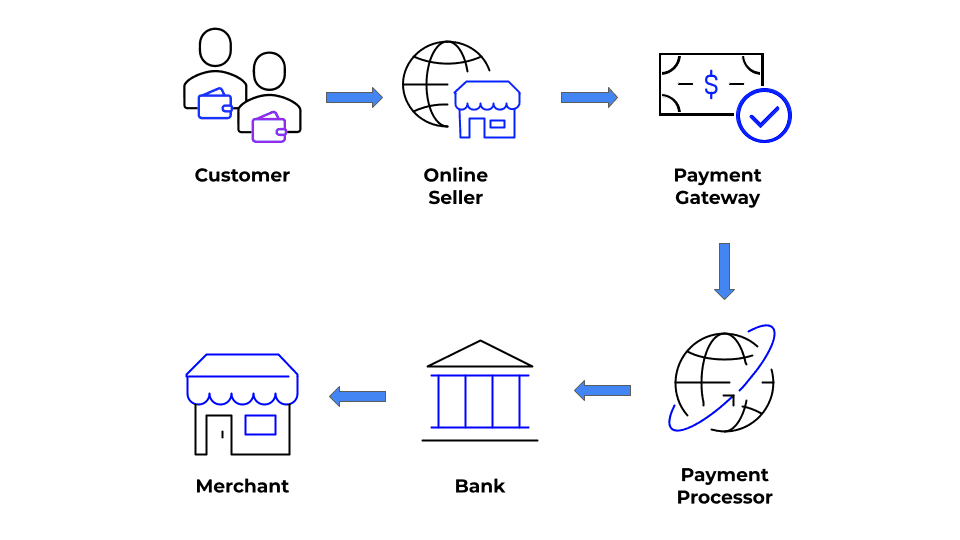
An overview of the payment process flow from customer to merchant
The terms payment processor and payment gateway are often used interchangeably, but they refer to distinct components in the payment processing system. Here’s a breakdown of their differences.
What is a Payment Processor?
A payment processor is a company or service that handles the actual transaction between the merchant and the financial institutions involved (such as banks or card networks). After the payment gateway sends the transaction details, the processor facilitates the settlement by communicating with the card issuer and other entities to complete the transaction.
What is a Payment Gateway?
A payment gateway is a technology that connects an online store or merchant's website to the payment processor and authorizes credit card payments. It acts as a bridge between the customer and the merchant, securely transmitting payment data. The main role of a payment gateway is to handle the transaction's authorization and encryption to ensure the sensitive information is secure as it travels from the customer to the merchant's payment processor.
How a Payment Gateway Works
A payment gateway operates by connecting the merchant account to the website or online store. When a customer initiates a payment, the gateway encrypts the payment details, such as credit card information, to ensure data security. These encrypted details are then sent to the processor for verification. The payment processor communicates with the customer’s bank to confirm the payment details and check for sufficient funds. Once the payment is verified, the processor sends a response back to the payment gateway, which then notifies the merchant of the payment status. This entire process happens within seconds, providing a smooth and secure transaction experience for both the customer and the merchant.
How a Payment Processor Works
Payment processors are the workhorses that manage the actual transaction. Once the gateway has securely transmitted the transaction details, the processor communicates with customers’ banks and credit card companies to verify and authorize the transaction. It is responsible for managing the flow of funds, ensuring that every approved transaction is settled into the business’s merchant account. Its efficiency in moving funds and minimizing processing delays contributes significantly to reducing operational costs such as transaction fees.
Choosing Between In-House and Third-Party Solutions
Businesses can either develop their own online payment system or outsource to a third-party provider. Partnering with a payment service provider ensures secure online payments and compliance with PCI DSS, allowing businesses to effectively manage and store sensitive customer data. Creating an in-house gateway offers greater control and customization but requires technical expertise, strong security measures, and ongoing maintenance. Alternatively, third-party payment services simplify PCI DSS compliance and e-commerce integration. Both options can be effective if they meet the business’s needs and ensure data security.
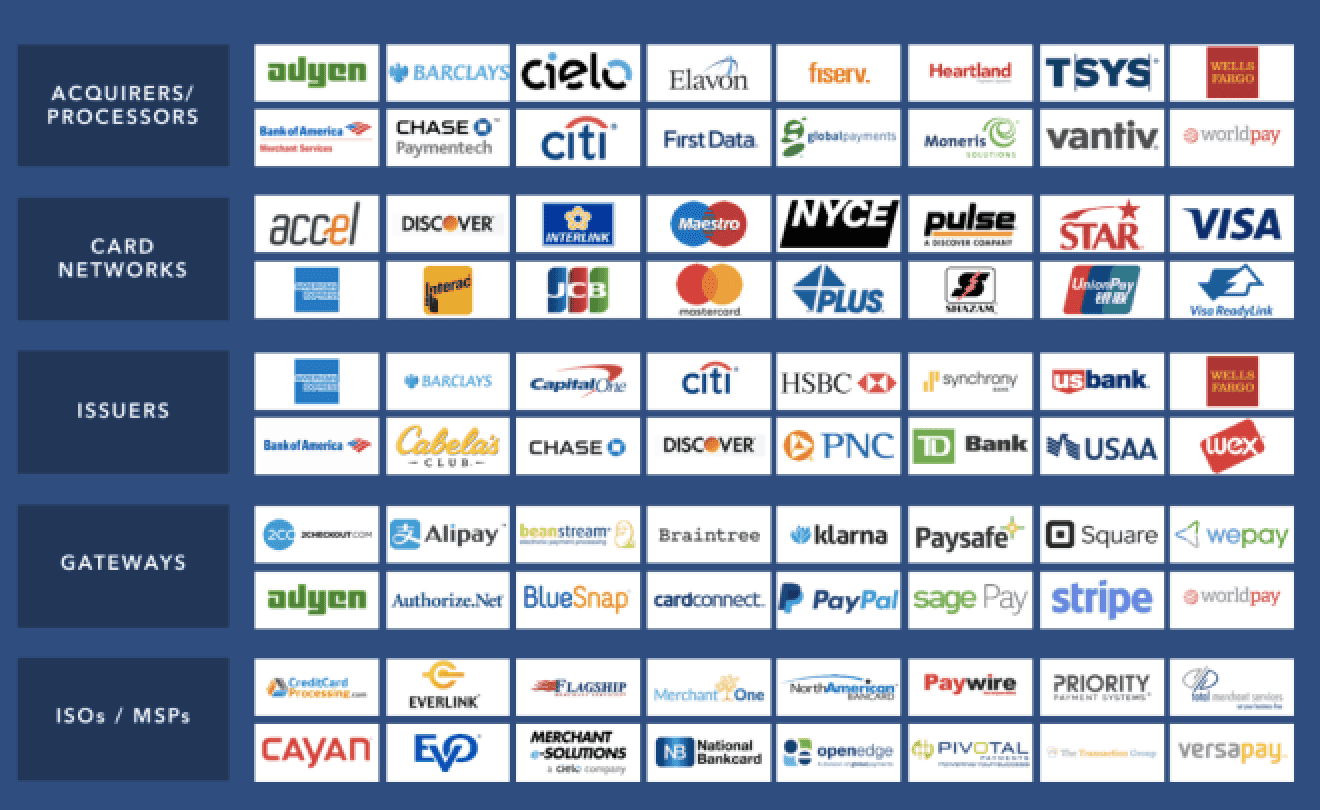
Overview of key players in the payment processing ecosystem
Choosing the Right Payment Solution
Selecting the most suitable payment solution is a pivotal decision for any business. With an expanding market of payment service providers, careful evaluation of each payment method is essential to match a solution with your unique business needs and technical capabilities.
When choosing a payment solution, compare both the technical and financial aspects. Many payment service providers offer comprehensive packages that include a payment gateway, a payment processor, and a merchant account, all designed to work together seamlessly. While some businesses may opt to develop their own payment gateway for a more custom experience, most companies find that partnering with a third-party payment provider reduces the risk associated with security compliance and technical maintenance.
Evaluating options such as fixed fee structures versus monthly fees is critical in determining which provider best meets your needs. Every business must analyze its volume of online activities and the potential impact of various transaction fees on its bottom line.
Integration with Financial Institutions
Both the payment gateway and processor must integrate efficiently with various banks and acquiring institutions. Understanding the online payment system process is crucial as it facilitates transactions for goods and services, detailing components such as the payment gateway, payment processor, and merchant account. The processor sends critical information to these financial partners, facilitating smooth authorization and settlement. A seamless integration means that funds are transferred to the business bank account in a timely manner, enhancing cash flow and reinforcing customer trust. With a sophisticated system, the gap between customer approval and funds availability is minimized, fostering a swift process that benefits every stakeholder.
By leveraging these technological components, businesses ensure that every online payment is both secure and efficient. The combination of a robust payment gateway with a reliable processor is essential for handling the rigorous demands of modern online transactions.
Integration Capabilities and Compliance
Integration with existing systems is another factor to consider. Smooth payment gateway integration through a payment solution that works with popular e-commerce platforms and customer relationship management systems can significantly streamline operations, reduce checkout friction, and optimize overall payment processes. For instance, a solution that supports automated recurring payments and provides customizable payment pages can significantly enhance the customer experience. Compliance with security standards, particularly PCI DSS, is non-negotiable. Ensuring that your chosen channel meets these requirements protects customer data and builds trust among users.
Cost and Efficiency Considerations
The costs associated with each payment option vary. Merchant account providers generally charge a transaction fee per transaction, which could either be a fixed amount or a percentage of the transaction amount. Understanding the fee structure is essential to avoid surprises later. Additionally, providers that offer a clear breakdown of charges—such as higher processing fees for certain transaction types—allow businesses to make informed decisions. Businesses must weigh the cost against the benefit of having a reliable, efficient, and secure payment solution that supports multiple payment methods, from credit card payments to direct debit payments.
Flexibility and Future-Proofing
Your chosen payment solution should not only address current needs but also accommodate future growth. As your business scales, the volume of online transactions is likely to increase, and so will the demand for advanced features such as automated billing, enhanced reporting, and expanded payment options. Choosing something that is both scalable and flexible ensures that you can add features like recurring payments or integrate additional payment methods without overhauling your entire system. In essence, selecting the right solution is about aligning your business needs with a provider that offers robust security, flexible integration, and a cost-effective fee structure. By carefully comparing your options, you can accept payments online with confidence, knowing that every aspect of the transaction process has been optimized for efficiency and security.
Automated Methods and Direct Debit Options
Many modern online systems support direct debit payments in addition to standard card payments—a method that pulls funds directly from a customer’s bank account on scheduled dates. This is ideal for recurring payments and subscription models, offering convenience for both the business and the customer. By integrating this option, companies can provide flexible payment options that extend beyond traditional credit or debit card options. This approach not only diversifies the options available but also helps streamline financial operations.
Benefits of Online Payment Systems
Implementing a modern online payment system yields significant advantages that go beyond the mere facilitation of digital transactions.
Enhanced Customer Experience and Convenience
One of the most compelling benefits is the improvement in customer experience. An effective system enables customers to make purchases anytime, anywhere. By offering an intuitive payment page that supports features like one-click purchases and saved payment information, businesses provide an effortless and convenient shopping experience. This immediacy not only increases customer satisfaction but also encourages repeat business, as customers appreciate a smooth and reliable payment process.
Global Market Reach and Expanded Online Transactions
Adopting an online payment system allows businesses to break free from geographical limitations. Through this method, companies can reach a global audience. This expanded market reach is particularly beneficial for small businesses aiming to compete with larger enterprises. Offering diverse payment options—from credit or debit card payments to bank transfers and direct debit—ensures that your business can cater to a broad spectrum of customer preferences. As international commerce grows, a well-implemented system becomes a crucial component in your business strategy, allowing you to serve customers across different regions and currencies.
Operational Efficiency and Cost Reduction
A streamlined online payment system automates many of the manual processes traditionally associated with handling cash or paper transactions. This reduces the likelihood of human error, speeds up the reconciliation of funds in your business bank account, and minimizes administrative costs. With a secure and integrated system, businesses can reduce their dependence on costly intermediaries, thus lowering transaction fees. Enhanced efficiency means that funds flow more quickly, improving cash management and overall financial stability.
Advanced Security and Trust
Security is a fundamental benefit of modern online payment systems. Through advanced encryption and strict compliance with PCI DSS standards, these systems protect customer data and safeguard every transaction. The deployment of robust security measures minimizes the risk of data breaches and fraud, building trust among customers. When customers feel confident that their transaction details are secure, they are more likely to complete purchases, further boosting your business’s reputation and sales.
Flexibility and Scalability
Online payment systems grow with your business. They add new transaction methods, handle seasonal sales fluctuations, and integrate with evolving business systems. This scalability ensures a robust payment infrastructure, letting you focus on business expansion without technical worries. Enhanced customer convenience, global market reach, operational efficiency, and advanced security measures all contribute to a system that improves the customer experience and drives long-term growth. Embracing these benefits keeps your business competitive in the digital marketplace.
Setting Up a Payment Gateway
Step-by-Step Process
Setting up a payment gateway involves several crucial steps to ensure that your business can accept online payments securely and efficiently. Here’s a detailed guide:
- Choosing a Payment Gateway Provider: Start by selecting a reputable payment gateway provider. Look for one that offers a range of payment methods, competitive transaction fees, and robust security features. Popular providers include PayPal, Stripe, and Square.
- Creating a Merchant Account: Next, create a merchant account with your chosen payment gateway provider. This will require you to provide detailed business and financial information to verify your identity and business legitimacy.
- Configuring Payment Settings: Once your merchant account is set up, configure your payment settings. This includes setting up transaction fees, selecting the payment methods you want to accept, and choosing your preferred currency options.
- Integrating with Website or Online Store: Integrate the payment gateway with your website or online store. This can typically be done using APIs or plugins provided by the payment gateway. Ensure that the integration is seamless to provide a smooth checkout experience for your customers.
- Testing Payment Gateway: Before going live, thoroughly test the payment gateway to ensure it is working correctly and securely. Conduct test transactions to check for any issues and resolve them promptly.
By following these steps, businesses can set up a payment gateway that not only accepts online payments but also enhances the overall payment process, ensuring security and efficiency.
Top 5 online Payment Systems
Here are the top five online payment systems that are revolutionizing the way we handle money:
PayPal
PayPal is a popular name in the realm of online payments. With its user-friendly platform and robust security features, PayPal allows users to send and receive money, make online purchases, and conduct international transactions with ease. The platform's extensive integration with various e-commerce sites and its buyer protection policies make it a trusted choice for many.
Stripe
Stripe is a powerful payment processing solution designed primarily for online businesses. Known for its comprehensive suite of tools, Stripe supports a wide range of payment methods, including credit cards, digital wallets, and bank transfers. Its highly customizable API allows developers to create tailored payment solutions, making it ideal for startups and large enterprises.
Square
Square is a versatile payment processing system that caters to both online and offline transactions. With its easy-to-use point-of-sale system, Square provides tools for small businesses to accept payments, manage inventory, and generate sales reports. The platform also offers online payment solutions and integrates with various e-commerce platforms.
Authorize.Net
Authorize.Net is a reliable and secure payment gateway that enables businesses to accept payments through credit cards, electronic checks, and other digital payment methods. With its user-friendly interface and extensive fraud detection tools, Authorize.Net is a popular choice for businesses of all sizes. It offers seamless integration with e-commerce platforms and shopping carts, making it easy to implement.
Volet.сom
Volet.com provides a business payment platform for accepting crypto payments, sending payouts, and managing crypto and fiat balances. Businesses can use its API, Hosted Checkout, or CMS plugins to connect payments to their existing workflows.
Final Thoughts
Implementing an effective online payment system enhances operational efficiency, secures transactions, and boosts customer satisfaction. Choosing the right components—payment gateway, payment processor, and merchant account—along with deciding between in-house development and third-party solutions, shapes your digital commerce infrastructure. Robust security measures, streamlined integration, and a flexible, scalable solution ensure secure, fast, and convenient transactions. A well-designed transaction system not only optimizes payments but also positions your business for future growth. Understanding the ecosystem and aligning it with your business needs is key to creating a seamless, efficient, and secure payment experience that drives revenue.
Frequently Asked Questions
What are the essential components of an online payment system?
An effective online payment system comprises three main parts: a payment gateway to securely transmit payment details, a payment processor to handle the transaction process, and a merchant account to receive funds directly from credit and debit card payments.
Should I build my own payment gateway or use a third-party provider?
The choice depends on your business’s technical expertise and resources. Developing your own payment gateway offers a custom solution and potential cost savings but requires significant development and security efforts. A third-party provider simplifies compliance and maintenance while offering reliable service.
How do online payment systems enhance customer experience?
They provide a fast, secure, and convenient checkout process, support multiple payment methods, and integrate features like saved payment information and recurring billing. This efficiency boosts customer satisfaction and encourages repeat business.
What is payment system architecture and why does it matter?
Payment system architecture refers to the framework that connects your website, payment gateway, processor, and bank. A strong architecture ensures secure online payments, real-time processing, and compliance with global standards. It’s the foundation for any reliable digital payment system.
What are the main payment processing steps for online businesses?
The typical payment processing steps include customer checkout, payment data encryption, transaction authorization, settlement, and reporting. Each step plays a vital role in reducing fraud and ensuring fast fund delivery. These steps are often automated by robust payment infrastructure solutions.
How can you integrate payments into a website effectively?
To enable online checkout setup, businesses need a payment gateway and simple website payment integration. Most platforms offer developer tools, hosted pages, or plugins to speed up the process. Ensuring seamless UX and mobile responsiveness is essential to boost conversions and reduce cart abandonment.
Disclaimer
This article is provided for informational purposes only and does not constitute legal, financial, or professional advice. All content is based on publicly available information and personal opinions. Readers are advised to seek professional guidance before making any decisions or taking any actions based upon the material presented. The author and publisher assume no liability for any actions taken or not taken by the reader based on the information contained herein.
Do More With Your Money
Manage digital money effortlessly: send, receive, and exchange crypto for business and everyday life
Let’s talk about your payment needs!
Message your manager in any language:
Author

Alex Swann
I’m a former broker now focused on NFTs, GameFi, crypto, and digital art while writing and building my media skills.
Follow us to never miss a new article