Learn essential tips for securing your private keys in DeFi. Protect your assets and enhance your safety. Read the article for practical advice.
Let me tell you a story that still makes me wince. Three years ago, I lost 2.5 ETH because I stored my private keys in a text file on my laptop. Rookie mistake, right? 🤦🏾♂️
That painful (and expensive!) lesson taught me more about securing private keys than any article ever could. Today, I'm sharing everything I've learned so you don't have to make the same costly mistakes. Let's explore practical strategies to keep your keys and, by extension, your digital assets safe from potential online threats.
Break down of the various functions of a private key in cryptocurrency transactions.
What Are Private Keys and Why Should You Care about Their Role in Decentralized Finance? 📝
Let me break this down simply: your private keys are basically the master password to your crypto kingdom. They're confidential strings of characters that function as the key to your virtual vault.
Here's the deal — unlike your bank account, where customer service can reset your password:
✅ Private keys give you complete control over your crypto assets ❌ If you lose your private keys, your funds are GONE forever ❌ If someone steals your private keys, your funds are GONE forever
When I was new to decentralized finance (or "DeFi" as the cool kids call it), I thought keeping my private keys in a password-protected folder was enough. Spoiler alert: it wasn't.
Your private keys work with your public address (which is like your account number that others can see) in what nerds call "public key cryptography." People can send assets to your public address, but only someone with the private keys can move money OUT of that address.
A concise guide to securing cryptocurrency private keys through various preventative measures.
How to Secure Your Private Keys in DeFi: Best Practices 🔒
After my costly mistake, I developed a security system that helps me sleep at night. Here's my comprehensive approach:
Hardware Wallets: Your Private Keys' Bodyguards 🛡️
Using hardware wallets is probably the most secure method for safeguarding private keys while maintaining usability. These physical devices store your private keys offline and only connect briefly when you need to conduct a transaction.
I bought my first Ledger Nano after "The Incident", and it was a game changer. Sure, it cost me about $70, but compared to losing thousands in crypto? Best investment ever.
What makes hardware wallets special?
✅ Your private keys never leave the device ✅ Most have secure chip technology (like your bank card) ✅ PIN protection means thieves can't easily access them ✅ Physical buttons mean you verify transactions on the device (not on a potentially compromised computer)
For anyone holding significant crypto assets, hardware wallets provide excellent security value, making them well worth the initial cost. I use mine several times a week, and the extra 30 seconds of verification feels like a small price for security.
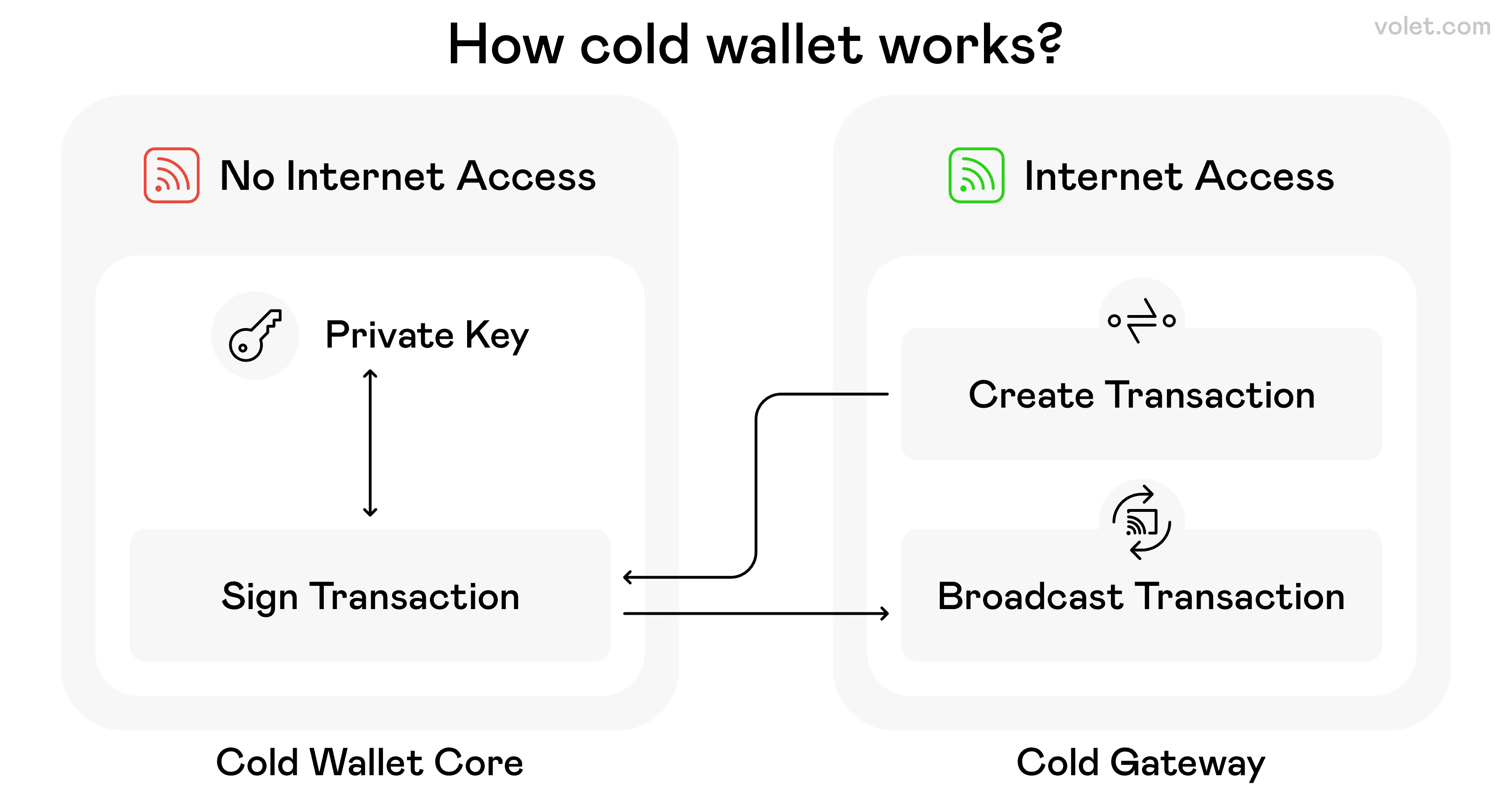
How a cold wallet securely signs transactions offline using a private key and then broadcasts them online via a connected gateway.
Cold Storage for Long-term Holding 💎
For Bitcoin and other crypto I'm holding long-term (my retirement plan!), I use cold storage exclusively. Cold storage keeps your private keys completely offline, disconnected from the internet. It's like having a vault in your house — not convenient for daily use, but much safer for your valuable cryptocurrency assets.
For maximum security, I've implemented:
✅ Air-gapped old laptop: I have an old computer that has never connected to the internet that I use for certain crypto operations ✅ Multiple backups: I have redundant copies stored in secure locations ✅ Split key storage: I've divided my seed phrase into multiple parts, stored in different locations
I've set it up so accessing these funds requires multiple steps — annoying sometimes, but that's the point! I check these holdings monthly but only move them in exceptional circumstances. After my "expensive education," I moved 85% of my holdings to cold storage. Peace of mind? Priceless.
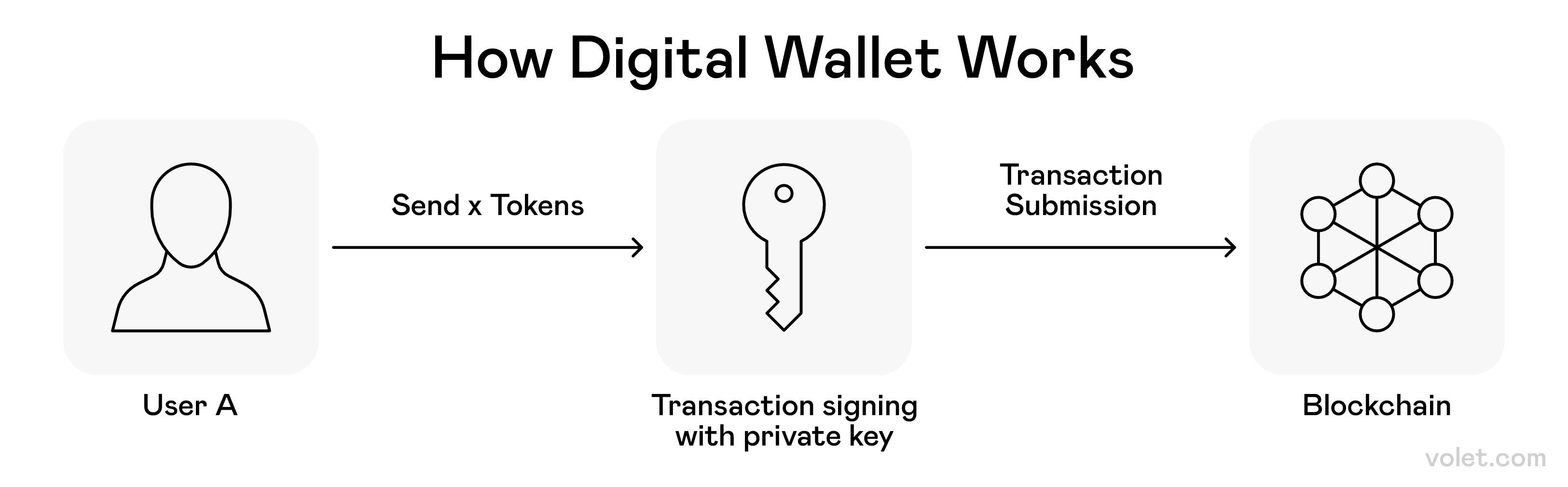
How a digital wallet processes transactions by signing them with a private key and submitting them to the blockchain.
Digital Wallets for Active Trading 📊
Hot wallets stay connected to the internet, making them convenient but more vulnerable. Think of them like the cash in your physical wallet — handy for everyday spending but risky to fill with your life savings.
For active DeFi participation:
✅ I use different wallets for different purposes (one for NFTs, another for yield farming) ✅ I never keep more than I can afford to lose in hot wallets (about 15% of my total holdings) ✅ I log out after every session (a small hassle that's saved me multiple times) ❌ I never click links from Discord or Telegram to connect my wallet (phishing attacks central!)
I use MetaMask for my DeFi adventures, but with some serious additional precautions:
✅ Installed on a separate browser I use ONLY for crypto ✅ Password manager with a unique, complex password ✅ Connected to my hardware wallet for any transaction over $100 ❌ NEVER store the seed phrase digitally (learned this one the hard way!)
How a crypto paper wallet works, from key generation to secure storage and access.
Paper Wallets: Old School but Effective 📄
Paper wallets create an offline storage solution that is immune to online hacking. By printing your keys on a physical piece of paper, you remove them completely from digital vulnerability.
When creating paper wallets:
✅ Use a printer that's not connected to the internet ✅ Consider using weatherproof, tear-resistant paper ✅ Store in multiple secure locations (like a safe or safety deposit box) ❌ Don't keep it in your wallet alongside your ID (if someone steals your wallet, they get EVERYTHING)
I tried this approach early on, but I'm clumsy and paranoid about fires or other physical damage. That said, I know people who swear by this method!
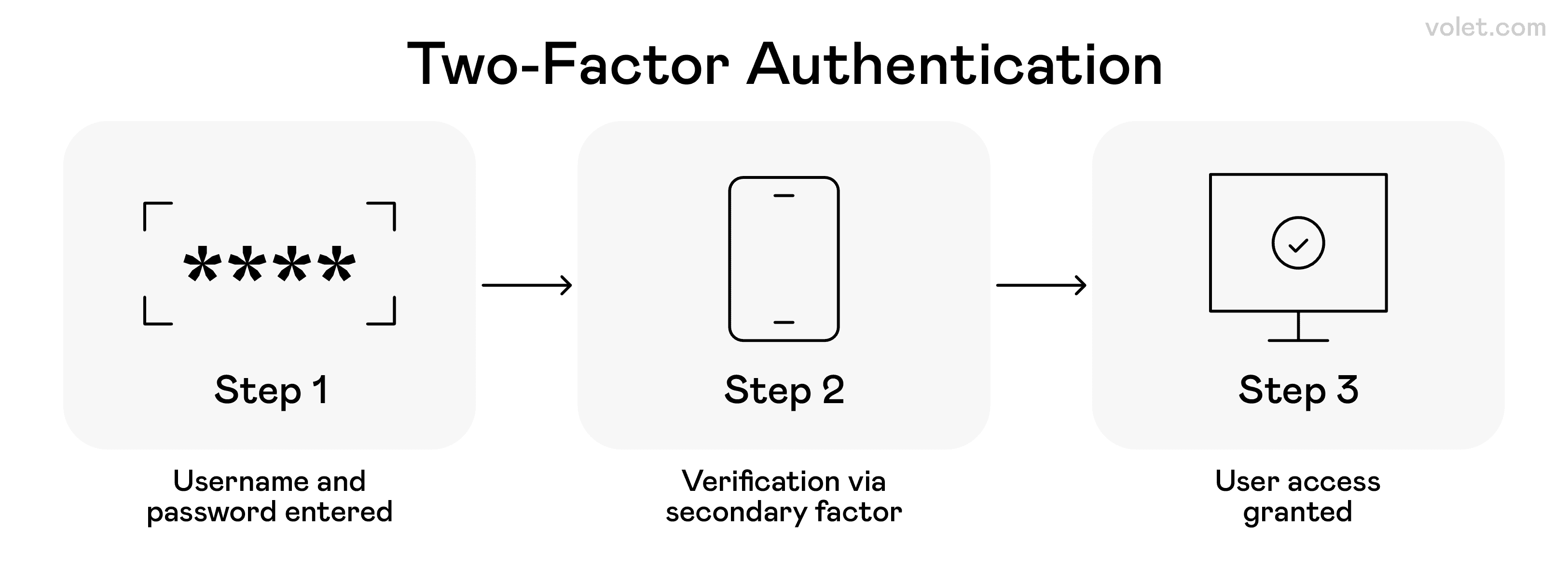
Illustration of two-factor authentication process for enhanced security.
Enable Two-Factor Authentication Where Possible 🔑🔑
When using platforms that support it, I always enable two-factor authentication to add an extra layer of protection. While this doesn't directly secure your private keys, it helps prevent unauthorized access to DeFi platforms where your keys might be stored or used.
Most crypto exchanges offer this feature, and I've set it up to use an authentication app rather than SMS (SIM swap attacks are real, folks!).
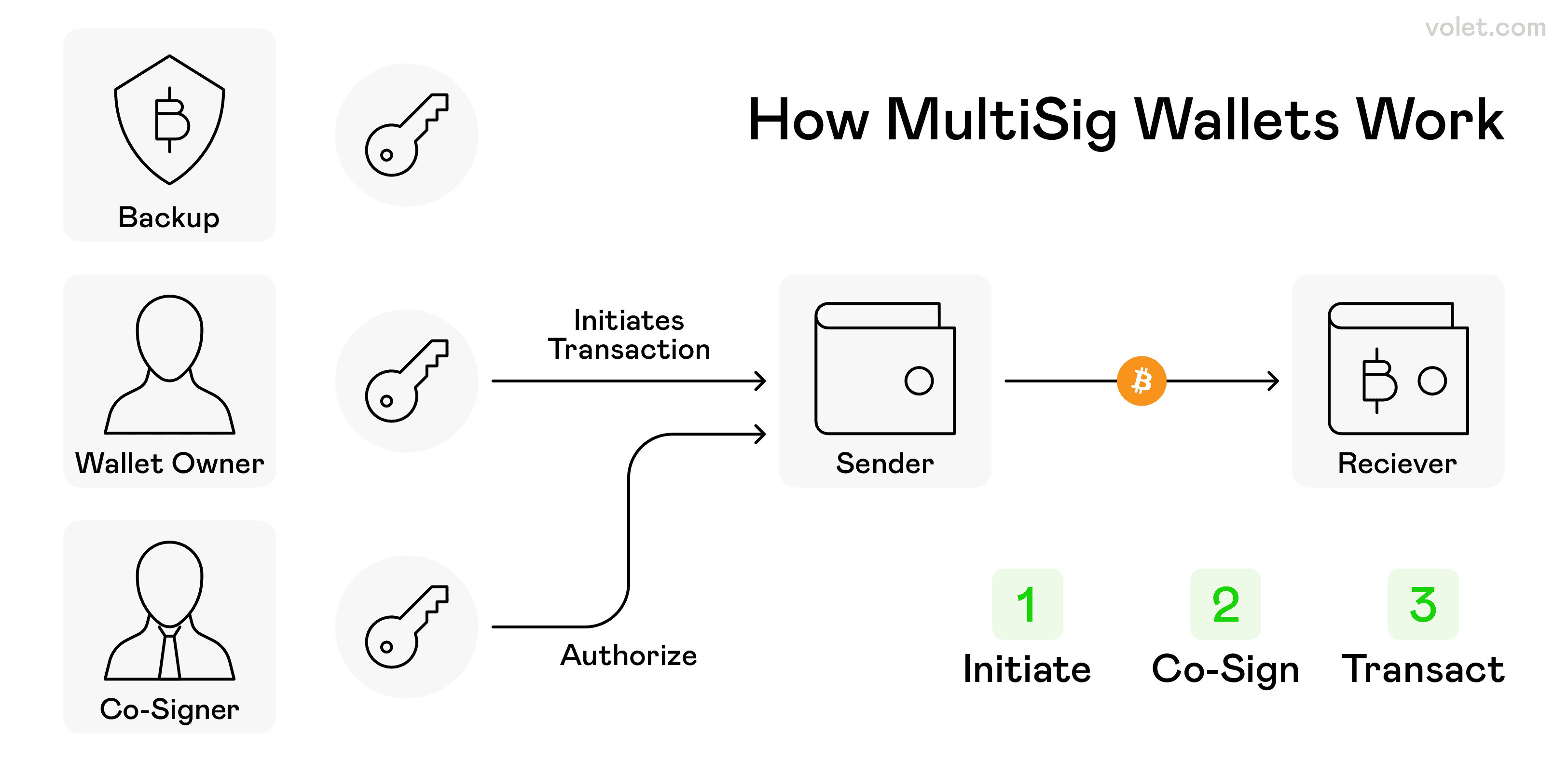
The three-step process of multi-signature wallet transactions requiring initiation, co-signing, and final transaction.
Multi-Signature Security for My Biggest Bags 👨🏾💻👩🏾💻
For substantial holdings, I implemented multi-signature solutions that require authorization from multiple keys to execute transactions. This prevents a single point of failure.
I've set up a 2-of-3 multi-sig wallet for my largest holdings, where transactions require approval from at least two devices. Is it overkill? Maybe. But I sleep better knowing one compromised device can't drain my accounts.
Highlights of 5 methods for securely managing and storing crypto seed phrases.
My Seed Phrase Storage Strategy 🌱
Storing your seed phrase somewhere safe is important for recovering lost private keys. After trying different approaches, here's what works for me:
✅ Split storage approach: I divided my backup information and stored it in multiple locations ✅ Fireproof location: Part of it sits in a small fireproof box ✅ Family backup: My brother has part of the recovery information (without knowing what it is) ❌ NO digital copies whatsoever (not even photos)
I also use encrypted USB drives for some backups. These reduce the risk of online attacks when storing private keys, providing a balance of security and convenience.
Key Management for Different Asset Categories 🗂️
I categorize my assets based on how frequently I need to access them:
✅ Frequent trading funds (5%): More accessible hot wallet on my phone ✅ Medium-term investments (15%): Hardware wallet I access weekly ✅ Long-term holdings (80%): Cold storage with multi-sig protection
DeFi Security Approaches for Different Users 👨👩👧👦
Your ideal security approach depends on your specific circumstances:
For Beginners 🌱
If you're new to DeFi (like I once was):
✅ Start with small amounts while learning security practices ✅ Begin with reputable, user-friendly solutions ✅ Gradually implement more advanced security measures as your comfort and crypto holdings grow
I wish someone had told me to practice with just $20 worth of crypto before moving my entire portfolio!
For Active Traders 📈
If you frequently trade (like me nowadays):
✅ Use hardware wallets as your primary storage ✅ Keep only trading amounts in more accessible wallets ✅ Develop clear procedures for moving between cold and hot storage
For Long-term Investors 💎🙌
If you're holding for the long term:
✅ Prioritize maximum security over convenience ✅ Implement multiple backup strategies ✅ Consider multi-signature solutions for large holdings
Remember, in DeFi, you truly are your bank. Finding the right balance between security and convenience is personal and depends on your risk tolerance, technical comfort, portfolio size, and trading frequency. The more secure your setup, the less convenient it becomes—but for valuable assets, that trade-off is well worth it.
Essential security tips for navigating the DeFi landscape safely.
Risks and Scams in the DeFi Space: Lessons Learnt ⚠️
Let me share some war stories and warnings:
Phishing Scams: The Time I Almost Got Hooked 🎣
Phishing scams remain one of the most common ways criminals obtain private keys. Last year, I received what looked like an email from a legitimate DeFi project. The site looked IDENTICAL to the real one, but something felt off.
I checked the URL character by character and noticed it was "app.un1swap" instead of "app.uniswap" — a tiny difference that would have cost me everything!
Always verify:
Email addresses (hover over sender names)
URLs (check every character)
Social media accounts (look for verification marks)
The Browser Extension That Almost Got Me 🔍
Some browser extensions claim to offer wallet functionality but actually steal your keys. I once nearly installed a fake MetaMask extension with thousands of downloads that was malware.
Now I:
Only download from official websites, never search results
Verify hash checksums when available
Read recent reviews for red flags
Final Thoughts: Security Is a Journey, Not a Destination 🛣️
Looking back at my three-year journey from crypto newbie to security-obsessed user, I've learned that protecting your digital assets isn't about finding one perfect solution—it's about building layers of protection that match your needs.
The DeFi space keeps evolving, bringing both exciting opportunities and new security challenges. By treating security as a fundamental part of your crypto journey rather than an afterthought, you can explore this fascinating space with confidence.💪🏾
Frequently Asked Questions
Unfortunately, if you lose your private keys without backups, your crypto assets are typically unrecoverable. This is why proper backup procedures are essential.
For anyone holding significant crypto assets, hardware crypto wallets provide excellent security value, making them well worth the initial cost.
This is not recommended. Digital storage of seed phrases introduces unnecessary risks. Physical offline storage is generally safer.
Move valuable assets to cold storage whenever they're not actively being used for trading or other activities. Regularly assess your hot wallet balance and transfer excess funds to more secure storage.
While convenient, custodial wallets mean trusting the exchange with your assets. For maximum security, only keep trading amounts on exchanges and store the bulk of holdings in self-custodial solutions where you maintain control of the keys.
Disclaimer
This article is provided for informational purposes only and does not constitute legal, financial, or professional advice. All content is based on publicly available information and personal opinions. Readers are advised to seek professional guidance before making any decisions or acting based on the material presented. The author and publisher assume no liability for any actions taken or not taken by the reader based on the information contained herein.