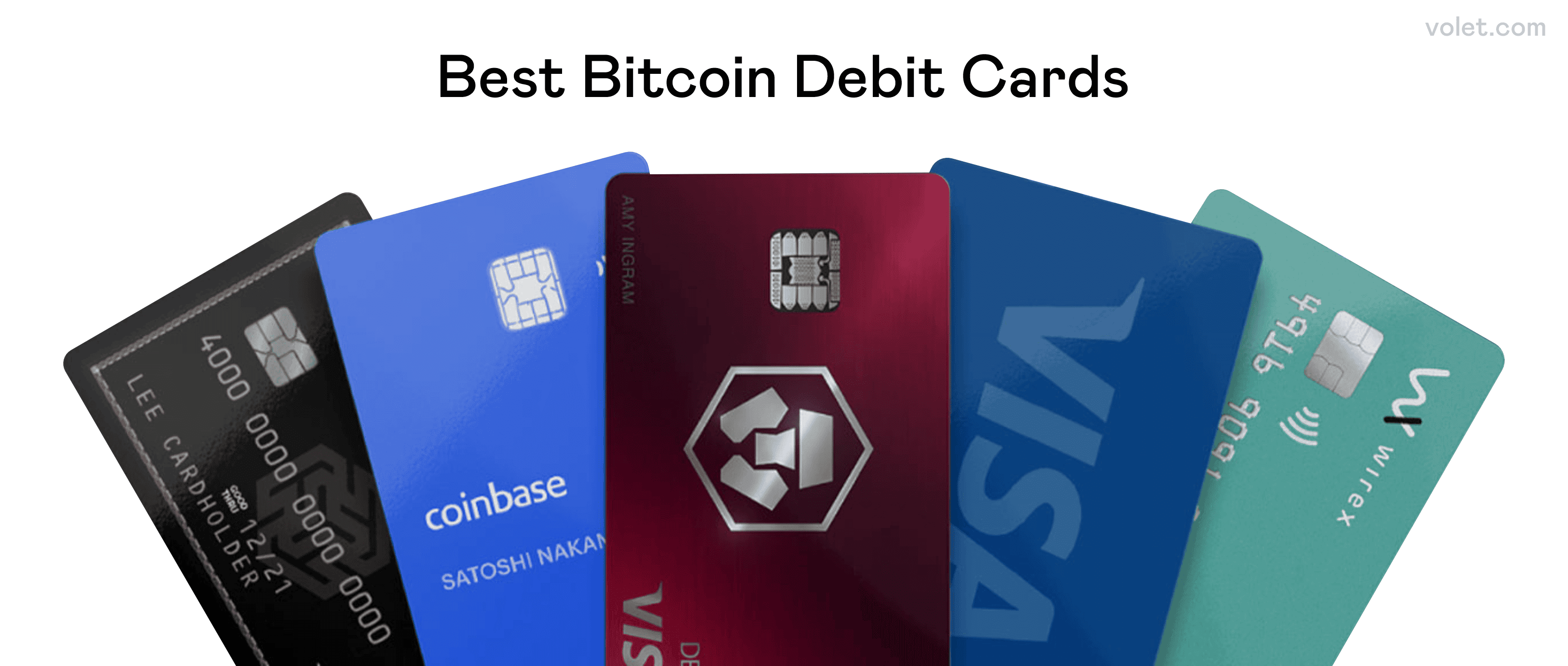
The financial world’s ongoing digital revolution has reached a pivotal moment with the recent approval of Bitcoin ETFs by major regulators, cementing cryptocurrency’s role in mainstream finance. This landmark decision has fueled growing interest from both retail and institutional investors, highlighting the importance of integrating crypto into everyday life. As digital assets gain wider adoption, choosing the right Bitcoin debit card is key to seamlessly incorporating crypto into your daily spending. Whether you’re seeking the best cashback rewards or a convenient way to use cryptocurrency for everyday purchases, this guide explores the top crypto debit cards to use in 2026.
Understanding How Bitcoin Debit Cards Works
Bitcoin debit cards automatically convert from cryptocurrency to dollars or any other fiat currency and function similarly to traditional debit cards but with a cryptocurrency twist. They allow you to spend your digital assets at millions of merchants worldwide without requiring the merchant to accept cryptocurrency directly. This innovation has transformed how crypto enthusiasts access and utilize their holding.
When you use a Bitcoin debit card, your crypto is converted to fiat currency either at the point of sale or beforehand, depending on the card type. This conversion connects through traditional payment networks like Visa or Mastercard, creating a seamless experience where merchants receive local currency without knowing cryptocurrency was involved.
Some debit cards convert only at the moment of purchase, offering flexibility, while others require manual loading in advance, giving you more control during market volatility. The best providers have streamlined this process to be nearly instantaneous, minimizing friction between cryptocurrency and traditional financial systems.
Best Bitcoin Debit Card Options in 2026
The following Bitcoin debit cards stand out in 2026, each providing unique benefits for different user needs - from generous rewards programs to specialized features for casual crypto enthusiast and seasoned traders:
Coinbase Card
The Coinbase card continues to dominate the market in 2026, offering Coinbase customers an intuitive way to spend cryptocurrency from their Coinbase crypto wallets. This bitcoin visa debit card automatically converts your preferred crypto to the local currency when making purchases.
Coinbase was founded in 2012 by Brian Armstrong and Fred Ehrsam, with their debit card launching in 2019. Initially available only in the UK, the Coinbase Card gradually expanded to other European countries before reaching the US market. Coinbase debit card has undergone several iterations, improving its integration with Coinbase's exchange platform and expanding supported cryptocurrencies.
Key Features:
- No annual fees for basic membership
- Up to 4% cashback rewards on select purchases
- Supports over 30 different cryptocurrencies
- Intuitive crypto wallet app for managing your spending
- Free ATM withdrawals up to $250 per month
Pros:
- Seamless integration with Coinbase's extensive exchange
- High security standards with regulatory compliance
- Customizable spending notifications and controls
- Ability to choose which cryptocurrency to spend for each transaction
- Wide geographic availability across North America and Europe
Cons:
- Higher conversion fees compared to some competitors
- Cashback rewards limited to specific cryptocurrencies
- Customer support can be slow during high volume periods
- More limited cashback rewards than premium competitor cards
- Occasional app performance issues reported by users
Best Use Case:
Coinbase Card is ideal for existing Coinbase users who maintain diverse crypto portfolios and value simplicity and security over maximum rewards. It's particularly well-suited for everyday spending across multiple cryptocurrencies with minimal management overhead.
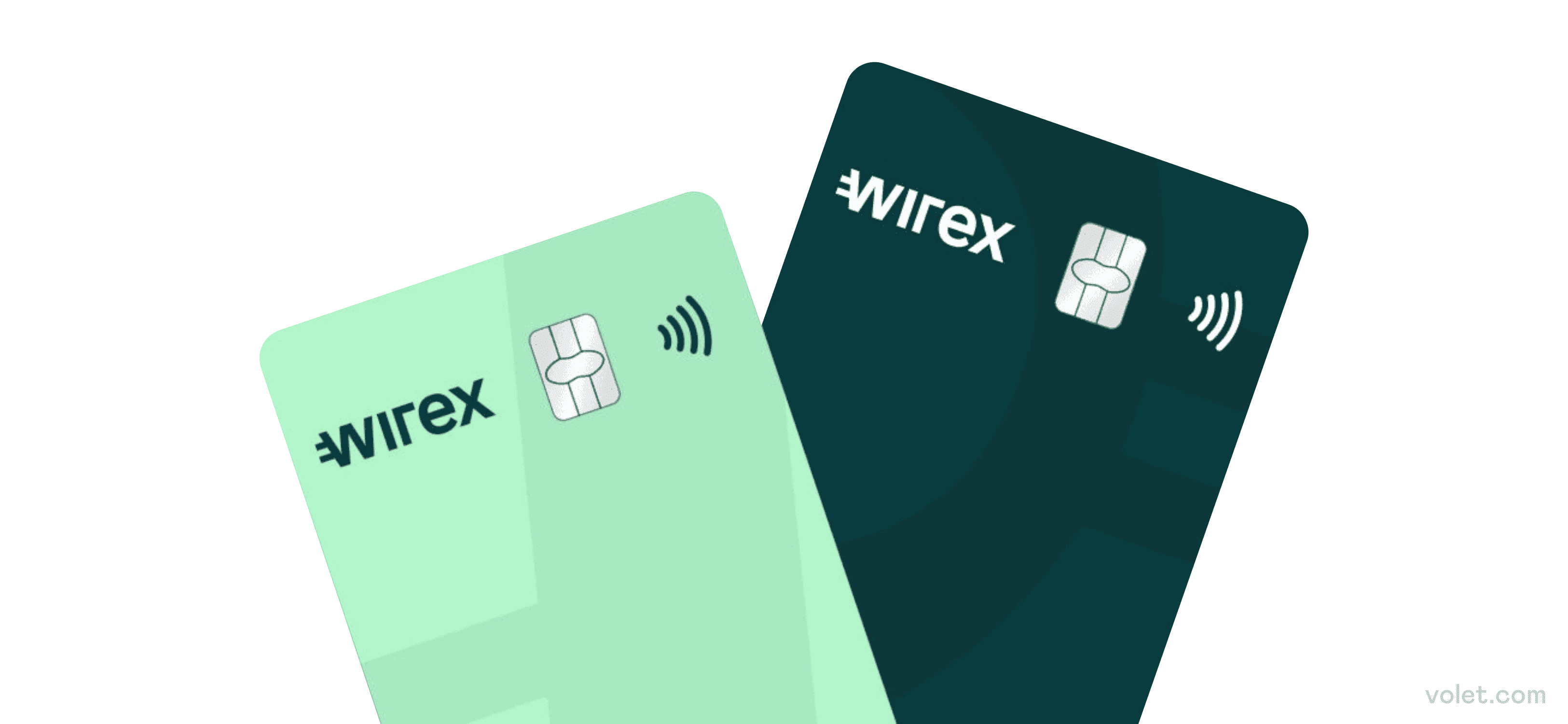
Wirex Debit Card
The Wirex debit card has revolutionized the crypto spending experience with its multi-currency capabilities. The platform now supports over 20 cryptocurrencies and 10 fiat currencies, making it ideal for international travelers.
Wirex was established in 2014 by Pavel Matveev and Dmitry Lazarichev, with their first crypto-enabled card launching in 2015. Originally operating under the name E-Coin, Wirex was among the first companies to offer a crypto debit card that gained widespread adoption. They pioneered the concept of "cryptoback" rewards and were early partners with both Visa and Mastercard networks.
Key Features:
- Up to 8% crypto cashback on purchases (paid in WXT tokens)
- Free international ATM withdrawals with premium tiers
- Real-time conversion between crypto and fiat
- Contactless payment options
- No credit check required
Pros:
- Excellent multi-currency support for international users
- Competitive "cryptoback" rewards program
- Built-in exchange with reasonable rates
- Innovative savings features with interest on deposits
- Strong mobile app with comprehensive features
Cons:
- Higher tier rewards require significant WXT token holdings
- Monthly account fees for premium tiers
- Some users report occasional card lockouts requiring verification
- Higher spreads on less common cryptocurrencies
- Limited availability in certain regions
Best Use Case:
Crypto.com cards are best for heavy spenders willing to stake CRO tokens for premium benefits. The upper tier cards provide exceptional value for those who frequently travel, subscribe to multiple streaming services, and make large monthly purchases.
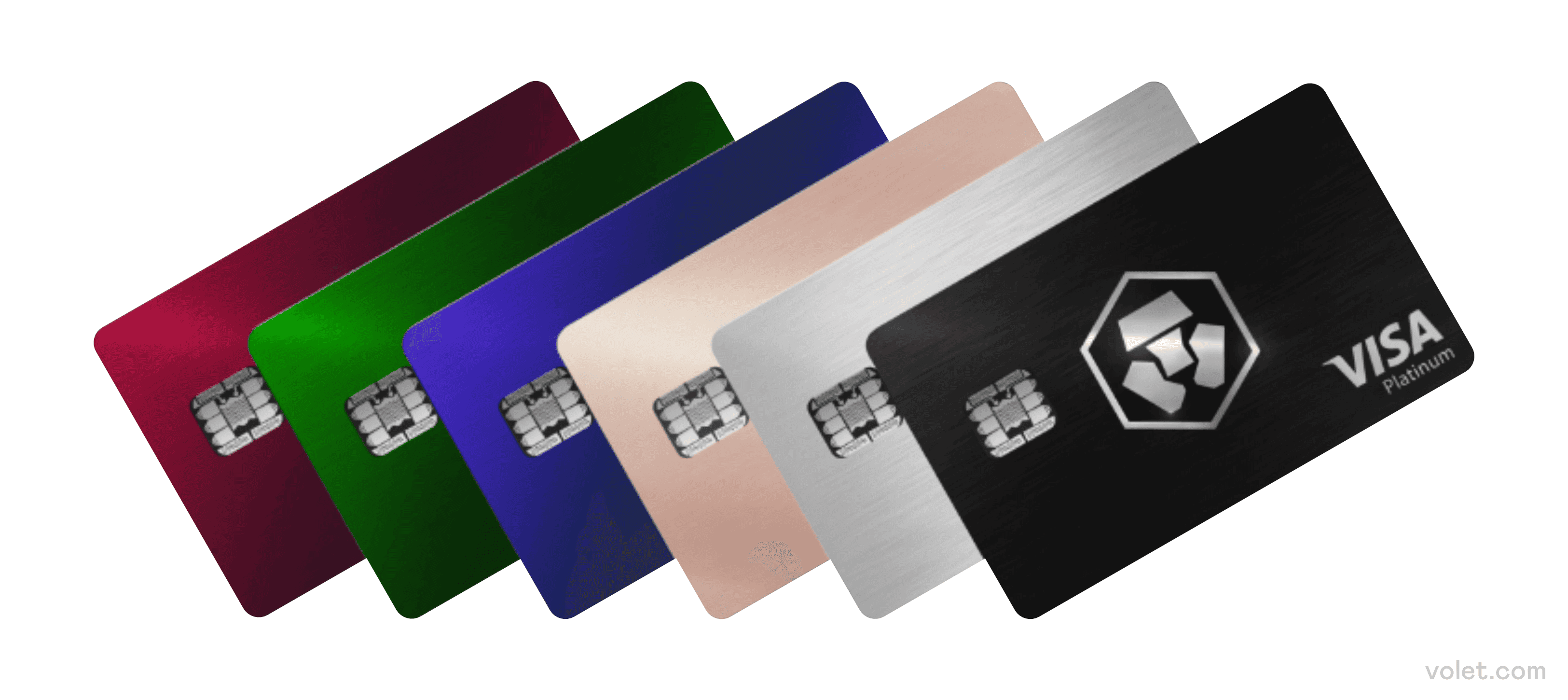
Crypto.com Visa Card
Crypto.com continues to offer one of the most comprehensive debit card programs in the cryptocurrency space. Their tiered system provides increasing benefits based on your stake of CRO (their native token).
Crypto.com (originally Monaco) was founded in 2016 by Kris Marszalek, Rafael Melo, and Gary Or, with their card program launching in 2018. After a successful ICO in 2017, the company rebranded from Monaco to Crypto.com and introduced a tiered card system based on their CRO token staking. The distinctive metal cards quickly became status symbols in the crypto community.
Key Features:
- Up to 8% cashback on purchases with higher tier cards
- 100% rebate on streaming services with premium tiers
- Airport lounge access with select card levels
- No annual fees (but requires CRO staking for higher tiers)
- Free ATM withdrawals up to $1,000 per month on higher tiers
Pros:
- Highest potential cashback rates in the industry
- Premium metal cards with exclusive perks
- Excellent additional benefits beyond cashback
- Strong security features and insurance protection
- Well-designed mobile app with extensive functionality
Cons:
- Highest rewards require substantial CRO token staking
- Staked CRO subject to market volatility
- Reduced benefits in 2023-2024 compared to earlier program
- Higher foreign transaction fees than some competitors
- Six-month minimum staking period for rewards
Best Use Case:
BitPay Card is ideal for cryptocurrency users who prioritize reliability and simplicity over maximum rewards. It's particularly well-suited for those who want to convert specific amounts of cryptocurrency to fiat on their own schedule rather than at the point of sale.
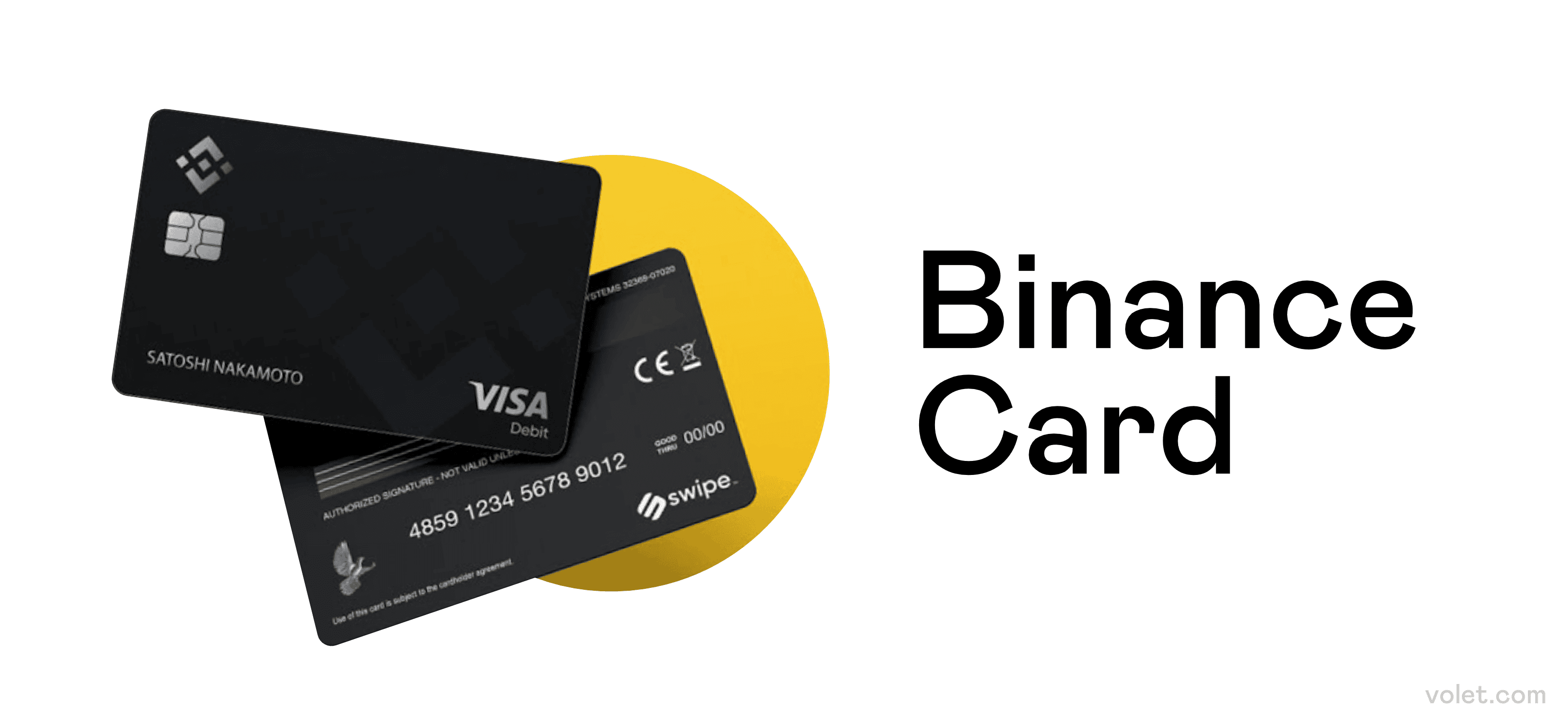
Binance Card
Binance's card has made waves with its competitive cashback structure and integration with the world's largest cryptocurrency exchange.
Binance was established in 2017 by Changpeng Zhao (CZ), with their card program launching in 2020. As one of the largest cryptocurrency exchanges in the world, Binance's entry into the cryptocurrency debit card space leveraged their massive user base and liquidity. The card program initially rolled out in Europe before expanding globally.
Key Features:
- Up to 8% cashback based on BNB holdings
- No annual fees
- Real-time conversion of multiple cryptocurrencies
- Virtual card option available immediately after approval
- Physical card delivered worldwide
Pros:
- Direct access to Binance's extensive liquidity and trading options
- Competitive exchange rates for conversions
- No need to pre-fund a separate card wallet
- Flexible rewards based on BNB holdings rather than staked amounts
- Strong security features with multi-factor authentication
Cons:
- Regulatory challenges in some regions affecting availability
- Occasional service disruptions due to banking partner changes
- Higher cashback rates require substantial BNB holdings
- Less intuitive user interface than some competitors
- Limited customer support options
Best Use Case:
Binance Card works best for active Binance exchange users who already hold BNB tokens and trade frequently. The seamless integration with the exchange platform makes it convenient for those who maintain significant portions of their portfolio on Binance.
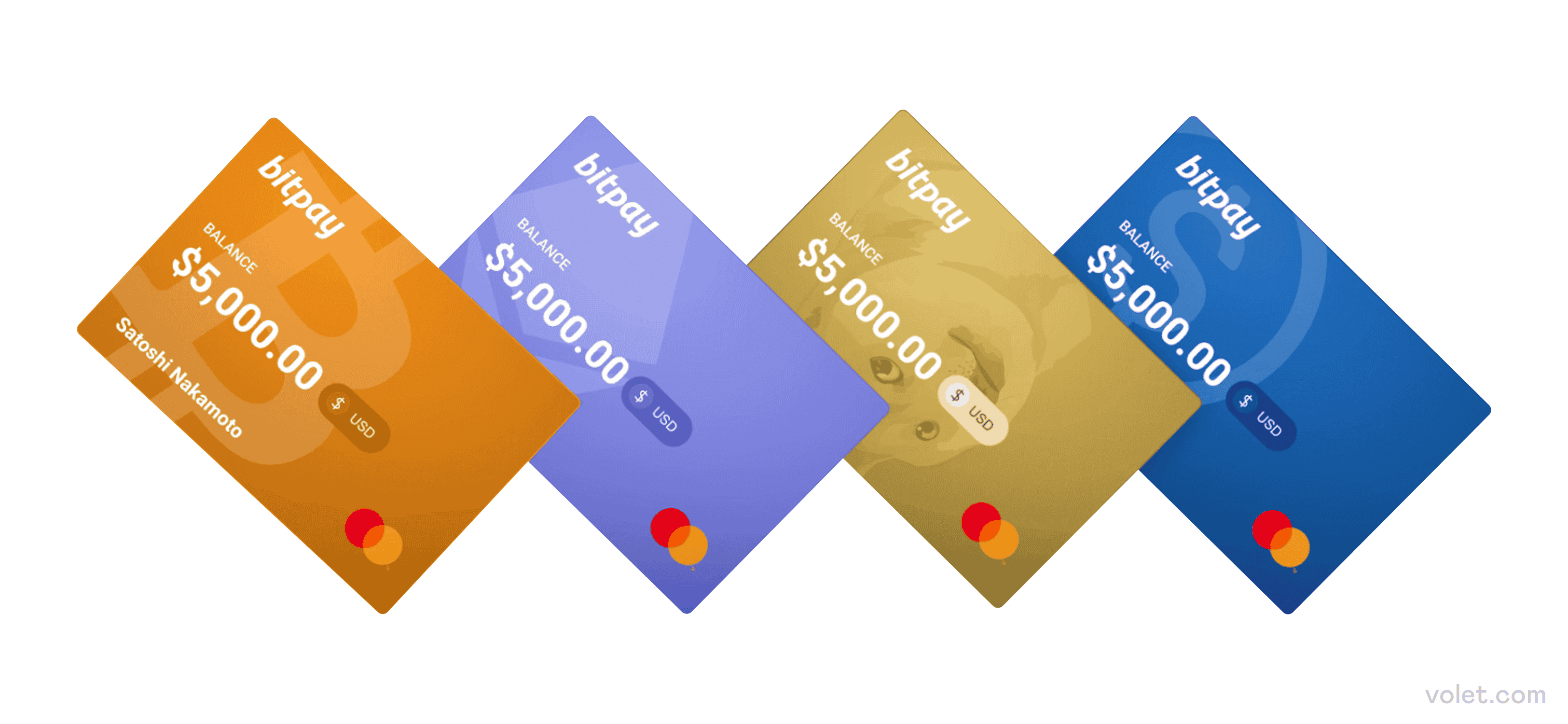
BitPay Card
The BitPay Card stands out for its simplicity and reliability, focusing on core functionality rather than flashy features.
BitPay was founded in 2011 by Tony Gallippi and Stephen Pair, with their first debit card launching in 2016. As one of the oldest cryptocurrency payment processors, BitPay was among the first to offer a cryptocurrency debit card in the United States. They've weathered multiple regulatory changes and banking partnership shifts while maintaining consistent service.
Key Features:
- Direct conversion of Bitcoin and other cryptocurrencies to USD
- No cryptocurrency price volatility after conversion
- No annual fee or credit check
- Same-day funding options
- Extensive merchant acceptance
Pros:
- Established company with long track record
- Simple, straightforward fee structure
- No exposure to crypto volatility after loading the card
- Reliable customer support
- Stable banking relationships
Cons:
- Limited rewards program compared to competitors
- Fewer supported cryptocurrencies
- Must convert to USD before spending
- Basic mobile app with fewer features
- Limited availability outside the United States
Best Use Case:
BitPay Card is ideal for cryptocurrency users who prioritize reliability and simplicity over maximum rewards. It's particularly well-suited for those who want to convert specific amounts of cryptocurrency to fiat on their own schedule rather than at the point of sale.
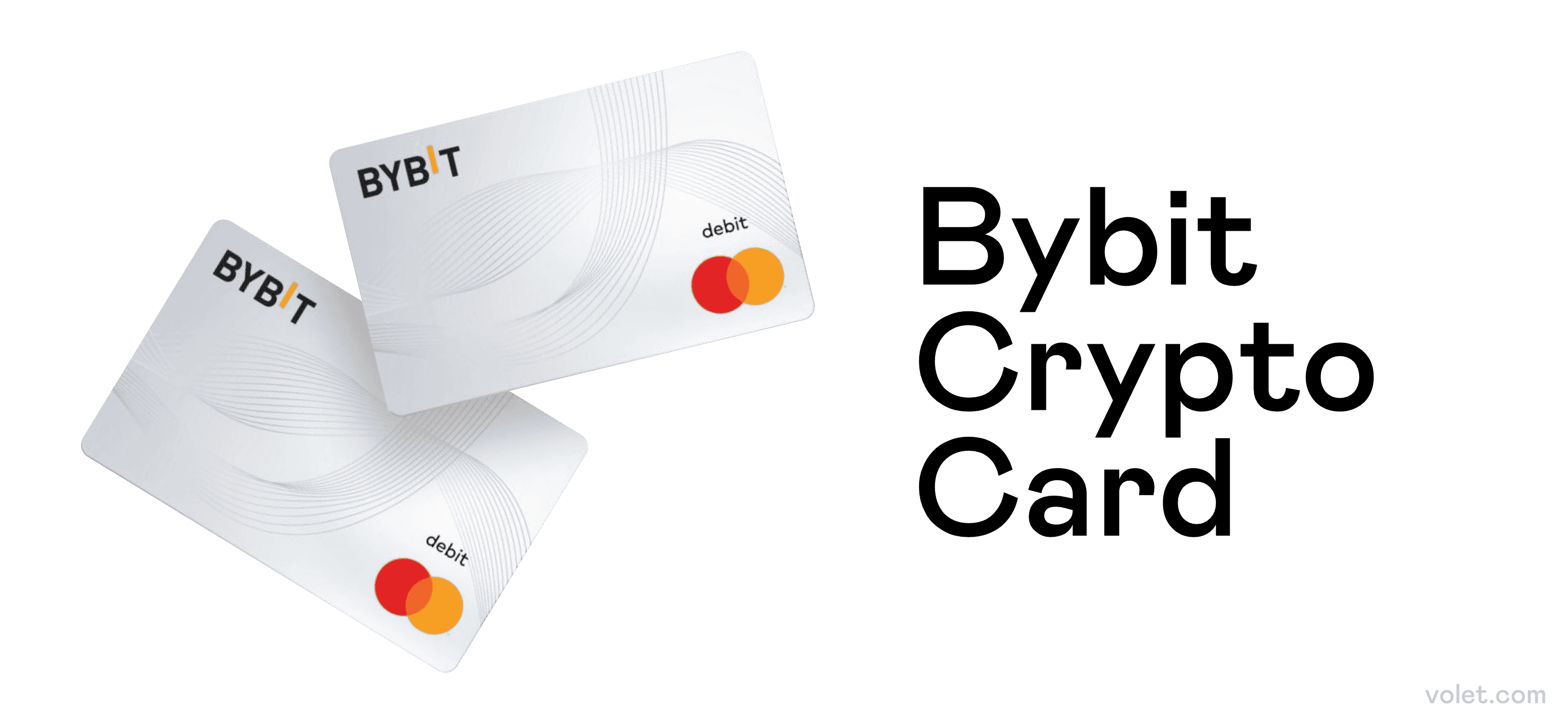
Bybit Crypto Card
The Bybit Card has quickly gained traction by leveraging the exchange's robust trading infrastructure and liquidity.
Bybit was established in 2018 by Ben Zhou, with their crypto card program launching in 2023. Initially focused on cryptocurrency derivatives trading, Bybit expanded into broader financial services with their card offering. Their late entry allowed them to learn from predecessors' challenges and design a program specifically addressing pain points identified by early adopters.
Key Features:
- Tiered cashback system based on trading volume
- Zero conversion fees for certain trading pairs
- Instant card issuance via virtual cards
- Integration with Bybit's spot and derivatives trading
- Flexible spending controls
Pros:
- Competitive conversion rates for Bybit users
- No staking requirements for base rewards
- Excellent integration with Bybit's trading platform
- Low fees for active traders
- Rapid customer support response times
Cons:
- Rewards program heavily favors active traders
- Limited geographic availability
- Fewer supported cryptocurrencies than some competitors
- Requires regular trading activity for best benefits
- Newer card program with less proven track record
Best Use Case:
Bybit Card is perfect for active traders who regularly use the Bybit exchange platform. Its reward structure directly benefits users who maintain high trading volumes, making it an excellent option for day traders and frequent cryptocurrency investors.
Choosing the Right Bitcoin Debit Card
When selecting the best bitcoin debit card for your needs, consider these essential factors:
Fee Structure
Pay close attention to bitcoin card fees and rewards, including annual charges, ATM costs, cashback rates, and currency conversion spreads associated with each card.
- Annual or monthly maintenance fees
- Transaction fees for purchases
- ATM withdrawal fees
- Currency conversion fees
- Inactivity fees
Some cards advertise "no fees" but make up for it with higher currency conversion spreads. Look for transparent fee structures that align with your specific spending habits.
Supported Cryptocurrencies
While Bitcoin is the namesake, many debit cards support multiple cryptocurrencies:
- Bitcoin (BTC)
- Ethereum (ETH)
- USD Coin (USDC) and other stablecoins
- Platform-specific tokens
- Various altcoins
If you hold a diverse crypto portfolio, choose a card that supports the specific digital assets you own to avoid unnecessary conversion steps.
Rewards Program
Cashback and rewards programs vary significantly between providers:
- Flat-rate cashback (typically 1-2%)
- Tiered rewards based on spending or token holdings
- Rewards paid in native tokens vs. Bitcoin
- Special category bonuses (e.g., higher rewards for streaming services)
- Staking requirements for premium rewards
Remember that rewards paid in volatile cryptocurrencies carry additional risk and potential upside compared to traditional cash back programs.
Geographic Availability
Not all crypto debit cards are available worldwide; eligible users in the Asia-Pacific region can choose an Asia-Pacific prepaid card. Check whether the card you're interested in is available in your region; eligible European users can consider a Europe prepaid card in EUR or USD. Some providers offer different features or fee structures depending on your location, particularly between US, UK, and EU markets.
Tax Implications of Using Bitcoin Debit Cards
Using a crypto debit card can trigger tax events that you should be aware of before making it your primary spending method.
Capital Gains Considerations
In most jurisdictions, including the US and UK, spending cryptocurrency is treated as "selling" it for tax purposes. This means you may incur capital gains tax liabilities every time you use your card if your crypto has appreciated in value since you acquired it.
For frequent spenders, this can create significant tax tracking complexity. Some card providers have integrated tax reporting tools to help manage this burden, but you should consult with a tax professional about your specific situation and to know more about the tax implications.
Record-Keeping Requirements
Maintain detailed records of:
- The original acquisition price of your crypto
- The value at the time of each transaction
- Fees paid for conversions
- Rewards received (which may be taxable as income)
Several third-party tax software solutions have emerged to help track these complex transactions, some of which integrate directly with popular crypto debit card platforms.
Tax-Optimized Strategies
Some users prefer to spend stablecoins like USDC through their debit cards to minimize capital gains implications. Others strategically use their cards during market downturns when spending might realize losses that can offset gains elsewhere in their portfolio.
Final Thoughts
As we progress through 2026, bitcoin debit cards have evolved from niche products to essential financial tools, creating a critical bridge between traditional payment systems and cryptocurrency holdings. The increasing competition between providers continues to benefit consumers through improved rewards, lower fees, and more intuitive interfaces.
For both cryptocurrency enthusiasts and everyday users, these cards represent one of the most practical ways to transform crypto assets into real-world purchasing power for millions of users worldwide.
Frequently Asked Questions
Are bitcoin debit cards safe to use?
Yes, bitcoin credit or debit cards typically employ the same security measures as traditional debit cards, including fraud protection, transaction monitoring, and the ability to freeze your card instantly. Additionally, many providers offer enhanced security features like 2FA and customizable spending limits.
Do I need a bank account to get a bitcoin debit card?
Not necessarily. While some cards require linking to a bank account, many crypto debit cards can be funded directly with cryptocurrency, making them accessible to the unbanked or underbanked populations.
Can merchants tell I'm using a bitcoin debit card?
No, merchants cannot distinguish between a crypto debit card and a traditional debit card. The conversion from crypto to fiat happens behind the scenes, and merchants receive payment in their local currency through the standard Visa or Mastercard networks.
What happens to my crypto if the card provider goes out of business?
This depends on the provider's custody arrangement. Some providers hold your crypto in segregated accounts that would be returned to users in case of insolvency. Others operate under electronic money licenses with regulatory protection. Research your provider's specific policies and regulatory status.
Can I use a bitcoin debit card for business expenses?
Yes, several providers now offer business versions of their crypto debit cards with features tailored to business needs, including multiple cards for employees, expense tracking, and integration with accounting software.
What is a Bitcoin debit card?
A Bitcoin debit card allows users to spend cryptocurrency by converting it into fiat currency during transactions.
Where can you use crypto debit cards?
Crypto debit cards can be used anywhere Visa or Mastercard payments are accepted.
Do Bitcoin debit cards charge fees?
Yes. Fees may include transaction fees, currency conversion fees, and ATM withdrawal fees.
Disclaimer
This article is provided for informational purposes only and does not constitute legal, financial, or professional advice. All content is based on publicly available information and personal opinions. Readers are advised to seek professional guidance before making any decisions or taking any actions based upon the material presented. The author and publisher assume no liability for any actions taken or not taken by the reader based on the information contained herein.