Bitcoin has transformed the global financial landscape, offering a decentralized and borderless way to handle payments. Unlike traditional currencies controlled by central banks, Bitcoin operates on a peer-to-peer network powered by blockchain technology. Since its inception in 2009, Bitcoin has grown exponentially, with over 500,000 transactions per day in 2025. This popularity stems from its ability to bypass intermediaries, reduce fees, and ensure secure transactions. For individuals and businesses alike, understanding how to use Bitcoin effectively can open up new opportunities in the digital economy.
How to Pay Using Bitcoin: A Simple Guide for Everyday Transactions
- 2/3/2025
- Alex Swann
- 15 min
Learn how to easily pay using bitcoin for everyday transactions. Explore practical steps and tips to make your digital payments smooth.

Source: Steemit
Paying with Bitcoin involves a series of simple but critical steps, starting with setting up a wallet to acquiring Bitcoin and then making secure transactions. The process is designed to be user-friendly while maintaining a high level of security. As of 2024, an estimated 106 million Bitcoin wallets are in use globally, highlighting the widespread adoption of this payment method. By familiarizing yourself with these steps, you can join the growing community of users leveraging Bitcoin for everything from online shopping to international remittances. It is also important to account for additional transaction fees when making Bitcoin payments.
Users can obtain crypto assets through various means, such as buying them on crypto exchanges, receiving them as payment, or mining them. To buy crypto assets, individuals typically need to connect a bank account, set up a wallet, and select a reputable crypto exchange.
Cryptocurrency has emerged as a revolutionary payment method, offering a secure and efficient way to transfer value across the globe without needing a traditional bank account. Bitcoin, the first and most well-known cryptocurrency, paved the way for a myriad of digital currencies that followed. As of 2023, over 560 million people worldwide own crypto assets, underscoring their growing mainstream acceptance. Businesses accepting crypto benefit from lower fees, increased security, and enhanced convenience compared to traditional payment methods requiring a bank account.
To get started with cryptocurrency payments, it’s essential to understand the basics. Cryptocurrencies are digital or virtual currencies secured by cryptography. Unlike traditional fiat currencies managed through a bank account, they operate on decentralized networks based on blockchain technology. This decentralization ensures secure, transparent, and immutable transactions. Users can purchase crypto assets on crypto exchanges, receive them as payments into their crypto wallets, or mine them directly.
Once acquired, crypto assets can be stored in digital wallets, which come in various forms, including software wallets, hardware wallets, and mobile wallets.
Setting Up a Bitcoin Wallet
A bitcoin wallet for payments is the cornerstone of any cryptocurrency transaction. It serves as a secure digital tool to store, send and receive Bitcoin without involving a bank account. Wallets hold private keys—unique strings of code granting access to your crypto assets. According to a survey, 60% of cryptocurrency users prefer software wallets for their ease of use, while 25% opt for hardware wallets for enhanced security. Popular options include Ledger and Trezor for hardware wallets, and mobile-friendly apps like Trust Wallet or Coinbase Wallet. Having a crypto wallet is essential for engaging in payments, whether purchasing products or services, sending money to family and friends, or even moving funds to a traditional bank account.
Hot wallets, a type of software wallet, are particularly popular due to their convenience and accessibility. These wallets connect to the internet, allowing users to manage their Bitcoin anytime, anywhere, much like online access to a traditional bank account. Hot wallets can be installed on mobile devices, desktops, or accessed via web browsers, making them practical for everyday transactions. Trust Wallet and Coinbase Wallet provide user-friendly interfaces, integrated support for multiple crypto assets, and additional features like staking and decentralized app (DApp) browsing. The functionality and convenience of their wallet apps facilitate payments with cryptocurrency, allowing users to easily complete transactions, generate invoices, and even monitor cryptocurrency prices.
The primary advantage of hot wallets is immediacy. Since they're always online, users can send and receive Bitcoin in real-time, highly valuable for situations requiring fast payments such as online shopping, peer-to-peer transactions, or quick transfers to a linked bank account. Moreover, many hot wallets support QR code scanning, simplifying wallet address entry and reducing errors. In 2023, QR code usage accounted for over 60% of Bitcoin transactions, emphasizing their role in enhancing usability.
However, the convenience of hot wallets has trade-offs. Their internet connectivity makes them more vulnerable to hacking or phishing compared to offline solutions. To mitigate risks, implement robust security measures. Always enable two-factor authentication (2FA), use wallets from reputable providers with strong encryption, and regularly transfer larger amounts to a secure hardware wallet or traditional bank account.
When setting up your wallet, follow best practices to secure your funds. Always download wallet applications from official sources to avoid malware. During setup, you will generate a seed phrase—typically 12 to 24 words acting as a backup to recover your wallet if needed. In 2022, approximately 20% of all lost Bitcoin resulted from misplaced seed phrases, underscoring the importance of secure storage. Experts recommend writing your seed phrase down and storing it securely, such as in a fireproof and waterproof safe, similar to how you might securely store your bank account details.
By understanding how hot wallets function, you can decide the best wallet solution for managing your crypto assets, depending on whether convenience, security, or cryptocurrency prices stability is your priority.
Acquiring Bitcoin
Once your wallet is ready, the next step is acquiring Bitcoin. The most common method is through cryptocurrency exchanges, which facilitate the buying and selling of Bitcoin using fiat currencies like USD or EUR. Creating a crypto wallet, buying crypto assets, and offering multiple methods of payment are essential steps in this process. Major platforms like Binance, Coinbase, and Kraken collectively handle billions of dollars in daily trading volume. For example, Binance alone processed over $12 billion in transactions on a single day in 2023. These exchanges typically require users to verify their identities to comply with regulatory standards, a process that enhances security and trust.
Trust Wallet and Coinbase Wallet, for example, provide user-friendly interfaces, integrated support for multiple cryptocurrencies, and additional features like staking and decentralized app (DApp) browsing. A Coinbase account is an option for accessing their crypto balance. Peer-to-peer platforms, such as LocalBitcoins, offer an alternative for users seeking more private transactions. These platforms connect buyers and sellers directly, allowing you to negotiate terms and make payments in cash or bank transfers. Additionally, Bitcoin ATMs have become increasingly popular, with over 38,000 machines installed worldwide as of 2023. These ATMs allow users to purchase Bitcoin using cash or debit cards, often completing the transaction within minutes.
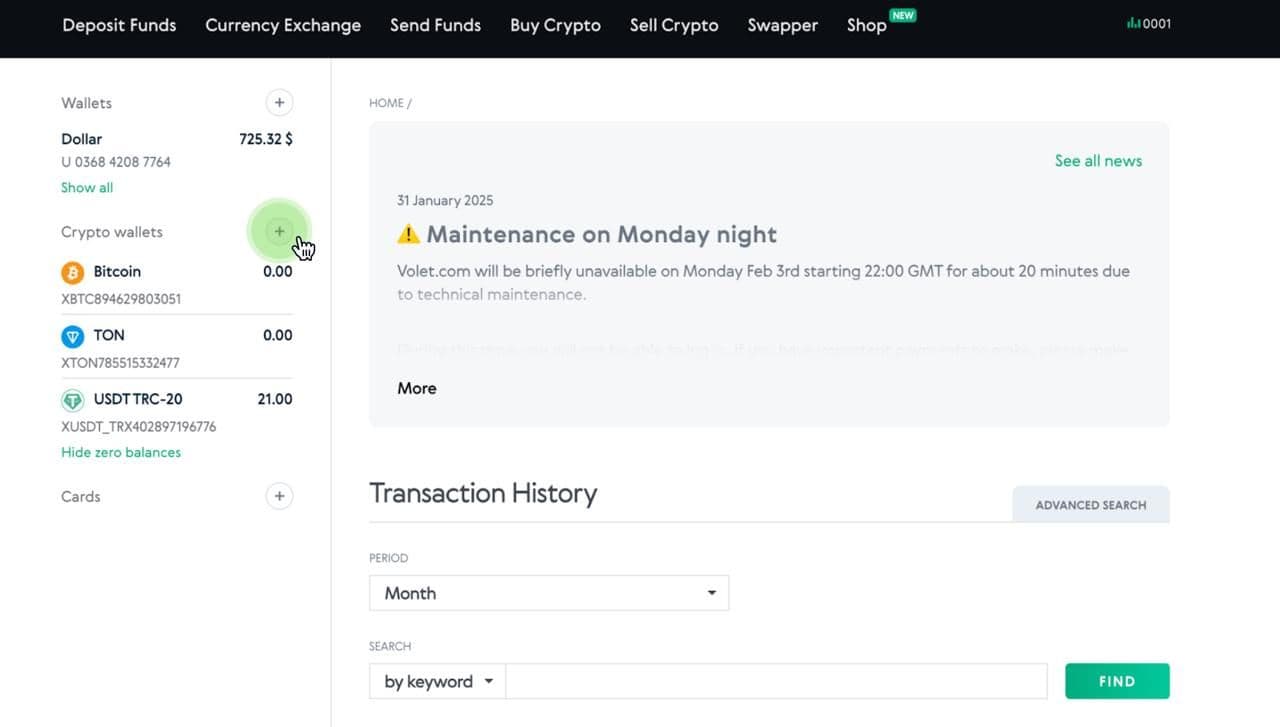
Just tap the “+” button while setting up your crypto wallet on the platform
Volet.com provides an intuitive and seamless way to purchase Bitcoin, catering to both beginners and experienced users. Here’s how you can use Volet.com to buy Bitcoin effortlessly, including setting up a digital wallet:
- Sign Up and Set Up Your Wallet: Start by creating an account on Volet.com and setting up your integrated wallet. This wallet will be your central hub for managing your cryptocurrency transactions.
- Fund Your Wallet: Use fiat currency, such as USD or EUR, to add funds to your Volet.com wallet. Volet.com supports multiple payment methods, including credit cards, debit cards, and bank transfers, ensuring a hassle-free funding experience.
- Buy Bitcoin: Once your wallet is funded, navigate to the cryptocurrency purchasing section on Volet.com. Enter the desired amount of Bitcoin you wish to buy and confirm the transaction. The purchased Bitcoin will appear in your Volet.com wallet instantly, ready for transactions or further investments.
Volet.com’s platform ensures transparency and security, making it an excellent choice for anyone looking to enter the world of cryptocurrency.
Making Bitcoin Payments
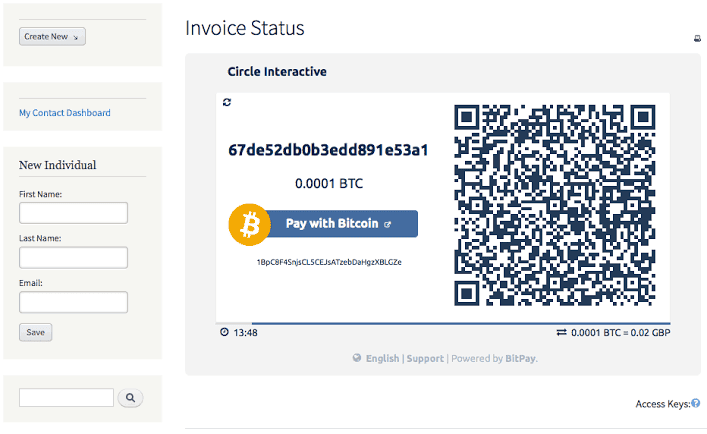
Source: Bitpay
Using Bitcoin for payments is both straightforward and secure. After opening your wallet application, you’ll need the recipient’s Bitcoin address—a unique alphanumeric string or QR code. In 2023, QR codes were used in 60% of Bitcoin transactions due to their convenience and error reduction. Enter the amount you wish to send, ensuring you account for any transaction fees, which typically range from $0.50 to $10 depending on network congestion. It is essential to have sufficient funds in your crypto wallet to cover these additional transaction fees during the transaction process.
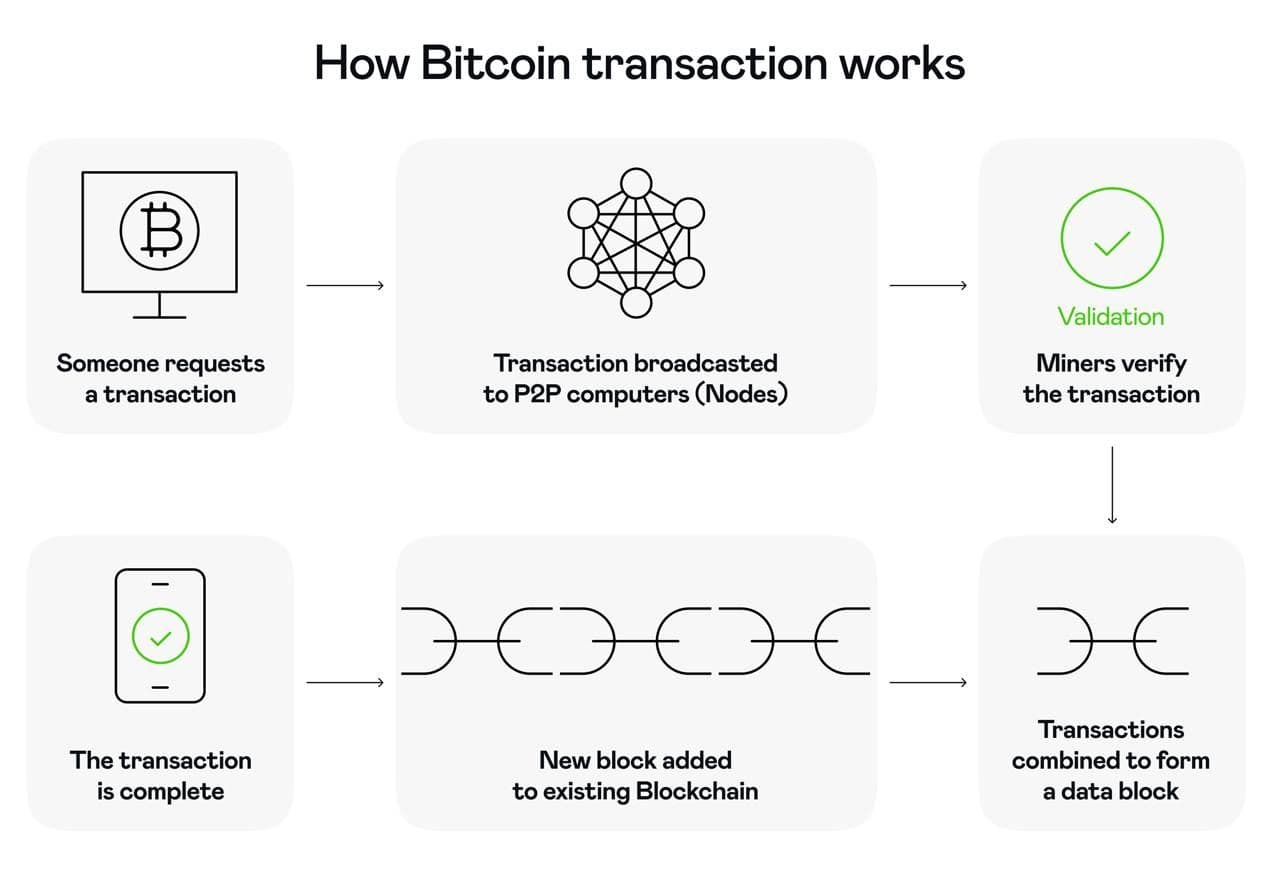
Once you’ve reviewed the details, including the recipient’s address and the transaction fee, confirm the payment. The transaction will then be broadcast to the Bitcoin network, where miners verify and add it to the blockchain. The process and costs associated with making a crypto payment can vary depending on the method used and the type of cryptocurrency. While most transactions are confirmed within 10 minutes, high network traffic can extend this to several hours. In 2021, during a peak usage period, some transactions experienced delays of up to 24 hours, underscoring the importance of planning ahead for time-sensitive payments.
Security Measures
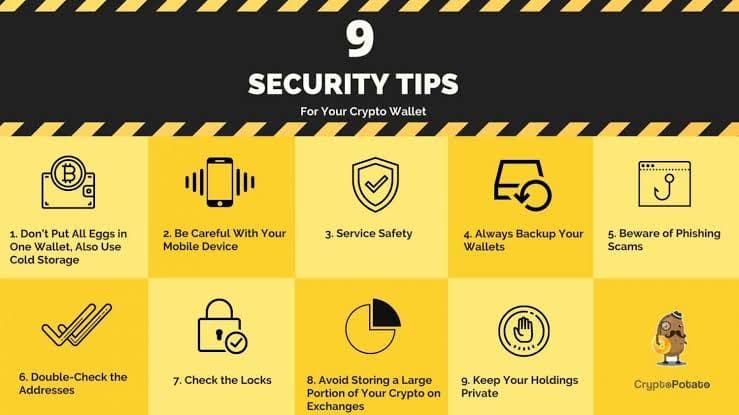
Security is paramount when it comes to crypto. To ensure your transactions are secure, it’s crucial to take several precautions. First and foremost, use a reputable wallet to store your cryptocurrencies. Software wallets like Trust Wallet and Coinbase Wallet offer a user-friendly experience, while hardware wallets such as Ledger and Trezor provide an additional layer of security by keeping your private keys offline.
Enabling two-factor authentication (2FA) adds an extra layer of protection to your wallet. This security measure requires you to verify your identity through a second device, making it significantly harder for unauthorized users to access your funds. Always keep your private keys and seed phrases safe and never share them with anyone. These keys are the only way to access your funds, and losing them means losing access to your cryptocurrency.
When making transactions, double-check the recipient’s wallet address and transaction details to avoid costly mistakes. Be vigilant against potential scams and phishing attacks, which often target cryptocurrency users. By following these security measures, you can protect your assets and enjoy the benefits of crypto with peace of mind.
Where to Use Bitcoin for Everyday Purchases and Services?
Bitcoin’s acceptance has expanded significantly, with a diverse range of industries now embracing the cryptocurrency. As of 2023, over 15,000 businesses worldwide accept Bitcoin, including major retailers like Microsoft and Overstock. The growing number of merchants that accept crypto for transactions further underscores its mainstream adoption. In the travel industry, platforms such as Travala and Expedia allow users to book flights and accommodations using Bitcoin, making it a convenient option for globetrotters.
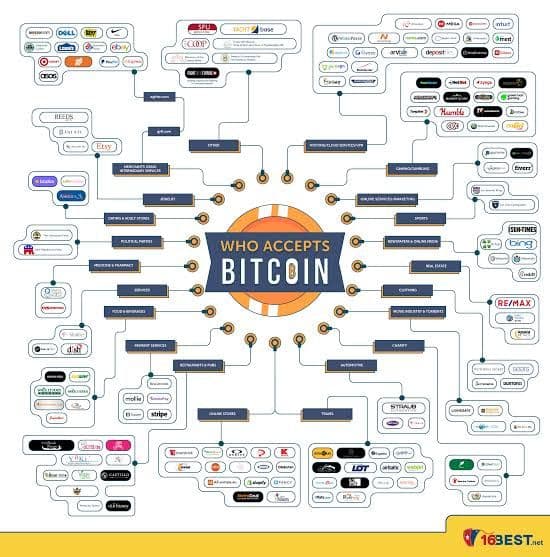
Source: 16bes
Local businesses, from coffee shops to boutique stores, are also joining the Bitcoin ecosystem. Many wallets are available for cryptocurrency users, each offering various features and levels of compatibility with different cryptocurrencies. In El Salvador, which adopted Bitcoin as legal tender in 2021, over 70% of small businesses now accept Bitcoin payments. Online services, including web hosting and digital subscriptions, further demonstrate Bitcoin’s versatility. This growing acceptance highlights the increasing trust in Bitcoin as a reliable and efficient payment method.
Benefits of Using Bitcoin for Payments
Bitcoin provides numerous advantages, making it an appealing alternative to traditional payment options. One of the primary benefits is lower transaction fees. While international wire transfers can cost upwards of $50, Bitcoin payments typically incur fees of less than $5. Choosing Bitcoin for payments removes the dependency on traditional payment options, particularly credit card companies, thus avoiding associated costs. This affordability is especially useful for remittances, which reached $689 billion globally in 2022.
Another significant benefit is privacy. Unlike credit card transactions that require extensive personal information, Bitcoin transactions are associated with wallet addresses, ensuring a higher degree of anonymity when users send crypto. Security is also crucial; transactions are verified on the blockchain, making them nearly impossible to alter or forge. Using a crypto debit card provides additional convenience, enabling holders to easily spend or send crypto in a wide variety of locations. This enhanced security has resulted in a 40% reduction in fraud-related losses among businesses accepting Bitcoin.
Speed is yet another notable benefit. While traditional bank transfers might take several days, Bitcoin transactions are typically processed within minutes. This rapid completion time is especially valuable when users send crypto internationally, bypassing common delays found in traditional systems. For those looking to get started with crypto payments, this speed advantage significantly simplifies financial transactions.
Global Reach
One of the most compelling advantages of paying with crypto is its extensive global reach. Cryptocurrencies enable users to send crypto and receive payments from anywhere worldwide, eliminating geographical barriers. With the proliferation of cryptocurrency exchanges and various payment options provided by crypto service providers, converting fiat currencies to cryptocurrency and back has never been easier. Bitcoin has particularly become a widely accepted payment method, with over 30,000 merchants worldwide ready to get started accepting crypto payments.
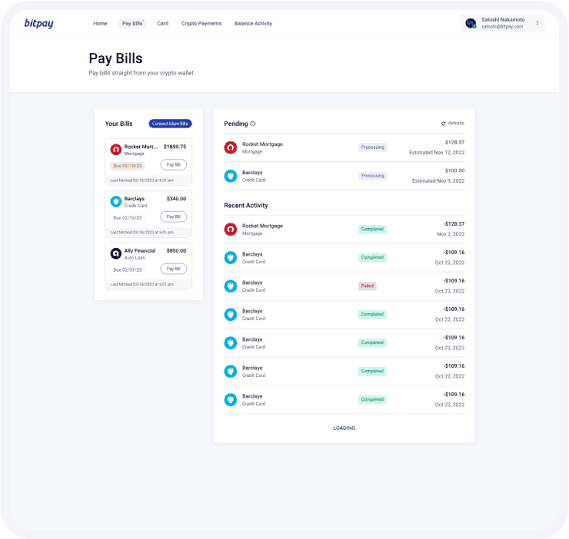
This global acceptance allows users to effortlessly pay bills, send crypto to friends and family, and purchase goods and services online. For example, platforms such as BitPay provide convenient payment options, enabling bill payments using Bitcoin, making it simpler than ever to get started managing expenses digitally. The ability to quickly, securely, and cost-effectively send crypto has opened new possibilities for both businesses and individuals, allowing greater participation in the global economy without traditional financial constraints.
Paying Bills with Bitcoin
The ability to pay bills with Bitcoin further enhances its utility. Platforms like BitPay provide a seamless way to settle expenses, from utility bills to subscription services. To use these platforms, connect your Bitcoin wallet and select the bill you wish to pay. Ensure that your wallet has sufficient funds to cover both the bill and any associated transaction fees. The platform will generate a payment request, allowing you to complete the transaction in just a few clicks.
Source: Carajput
As of 2023, an increasing number of service providers accept Bitcoin for bill payments. These service providers facilitate payments through cryptocurrency gateways, ensuring smooth transactions and managing fees. For instance, telecom companies, electricity providers, and even landlords in some regions have integrated Bitcoin into their payment options. This growing adoption underscores Bitcoin’s potential to simplify financial management.
Source: Bitpay
Tax Implications of Bitcoin Payments
Using Bitcoin for payments introduces important tax obligations, as many jurisdictions classify cryptocurrency as property rather than currency. This classification means that every transaction involving Bitcoin is considered a taxable event. Fees are paid to miners for validating transactions on the blockchain. For instance, in the United States, if you purchase Bitcoin for $20,000 and later use it to pay a bill when its value has risen to $25,000, the $5,000 gain is subject to capital gains tax. These gains are further categorized into short-term or long-term, depending on how long the Bitcoin was held before being used.
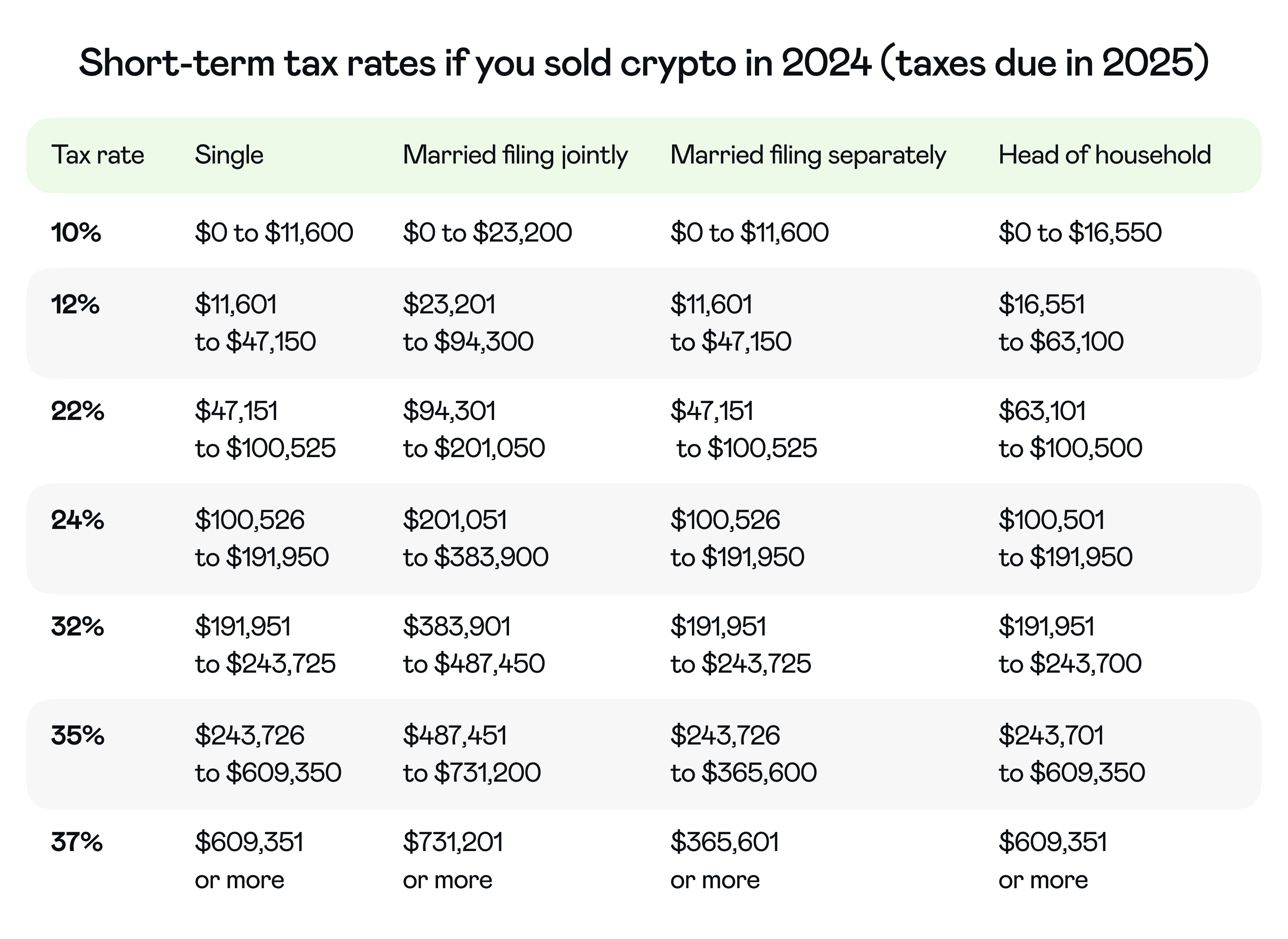
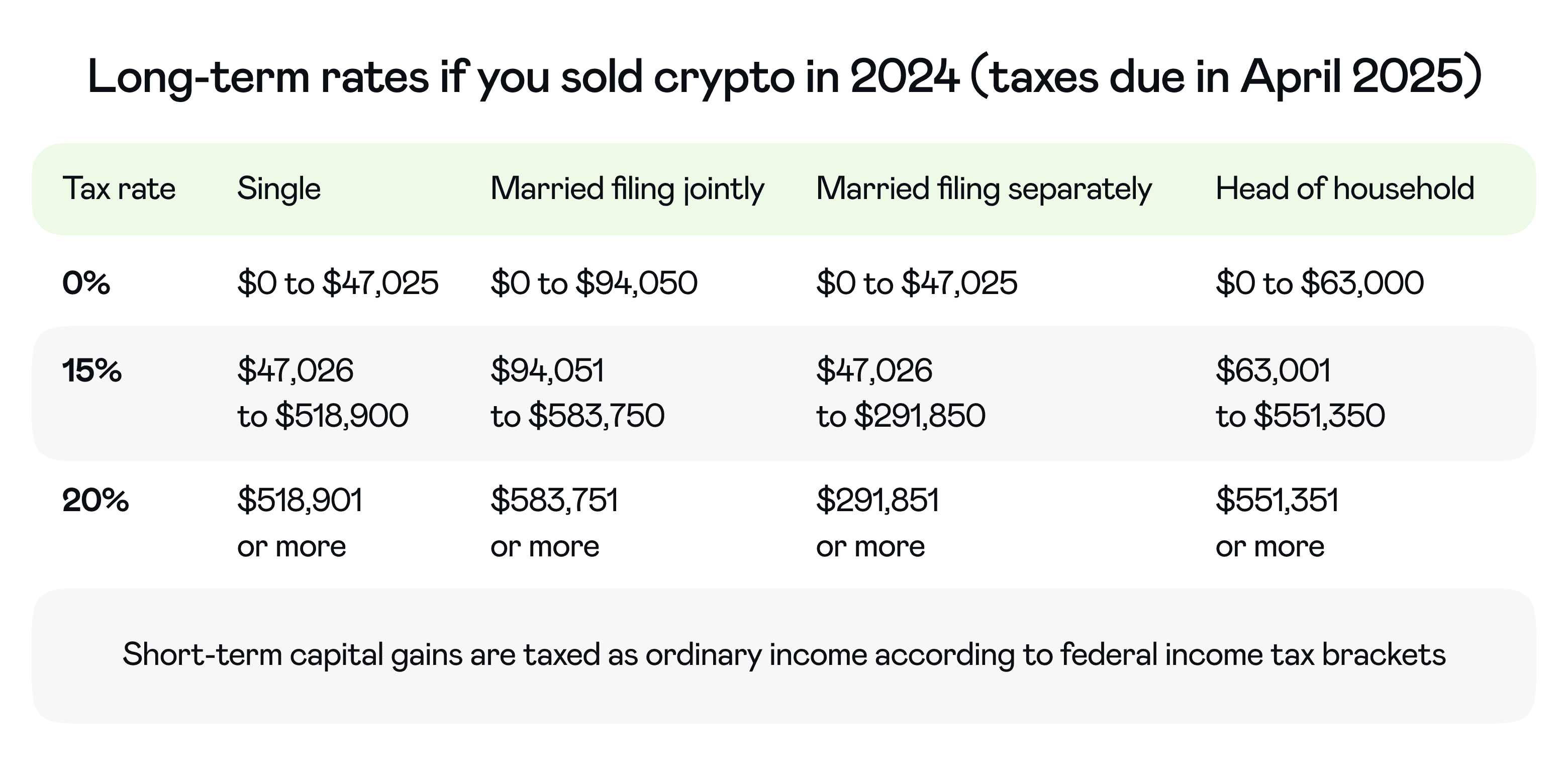
Short-term capital gains, applicable when Bitcoin is held for less than a year, are taxed at the same rate as your ordinary income, which can range from 10% to 37% depending on your tax bracket. Long-term capital gains, on the other hand, enjoy lower rates, typically ranging from 0% to 20%, encouraging users to hold onto their Bitcoin investments longer.
The IRS and other tax authorities require meticulous record-keeping to ensure accurate reporting. This includes tracking the purchase price (cost basis), the value of Bitcoin at the time of the transaction, and any associated fees. Failure to maintain proper records can result in penalties or audits, making it critical for users to adopt tools or services that assist in tax compliance.
As of 2025, new IRS regulations will mandate cryptocurrency brokers to issue Form 1099-DA, which will detail users’ transactions, further simplifying tax reporting for individuals. However, this also increases the scrutiny on cryptocurrency activities, making transparency essential. Globally, countries like the UK, Canada, and Australia have similar rules, with tax rates varying depending on local laws.
Additionally, businesses accepting Bitcoin as payment must report the fair market value of the cryptocurrency at the time of the transaction as income. They also need to account for any subsequent gains or losses if they hold the Bitcoin before converting it to fiat currency. This dual reporting can make taxation more complex for merchants but underscores the importance of adopting robust accounting practices.
By understanding these tax implications and keeping detailed records, individuals and businesses can ensure compliance while leveraging the benefits of Bitcoin as a payment method. Tax planning and consulting with a cryptocurrency-savvy accountant can also help optimize your financial strategy, reducing the potential burden of taxation while staying within legal frameworks.
Source: norton
Regulatory Compliance
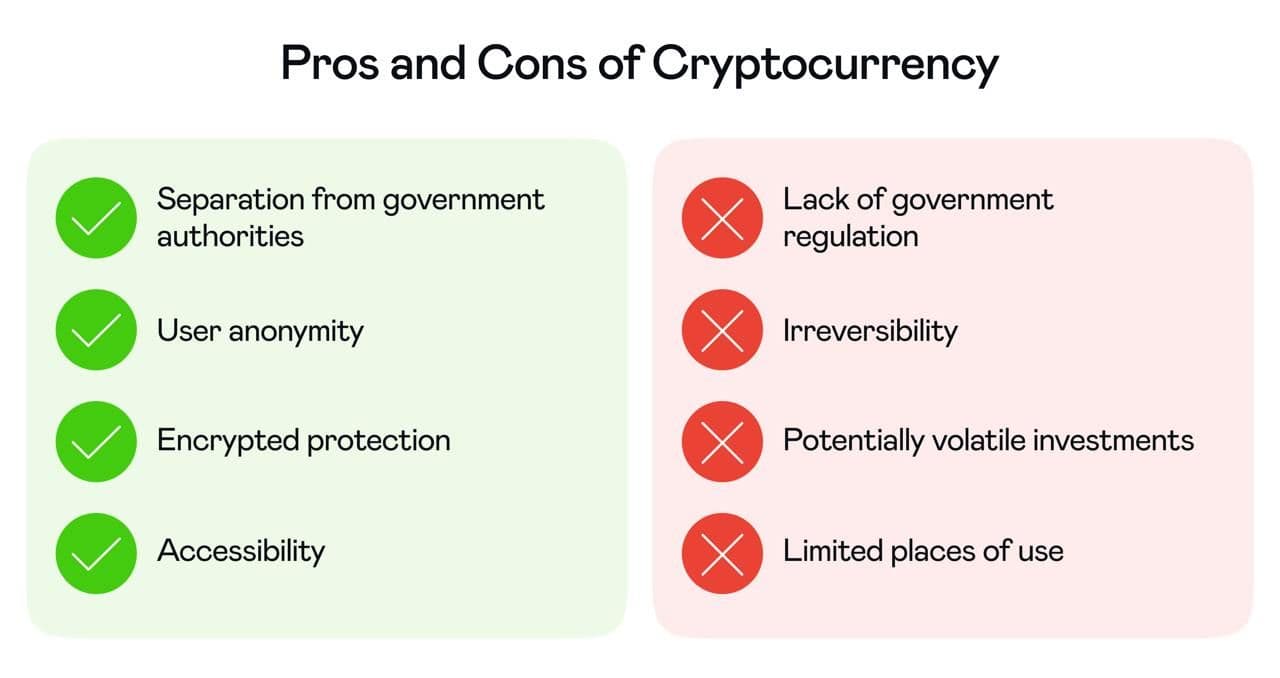
Regulatory compliance is a critical aspect in the context of crypto. Both businesses and individuals must adhere to local and international regulations to ensure their transactions are legal and secure. This includes complying with anti-money laundering (AML) and know-your-customer (KYC) laws, which are designed to prevent illegal activities such as money laundering and fraud.
In the United States, the IRS classifies cryptocurrency as property for tax purposes. This means that every transaction involving cryptocurrency is considered a taxable event. Users must report their cryptocurrency transactions on their tax returns, including any gains or losses. Payment service providers like BitPay also have to comply with these regulations, ensuring that users’ transactions are legitimate and secure.
By following regulatory guidelines, users can ensure that their cryptocurrency payments are compliant and avoid potential legal issues. Staying informed about the latest regulations and working with reputable service providers can help users navigate the complex regulatory landscape of cryptocurrency payments.
Source: Nerdwallet
Transaction Fees and Costs
Transaction fees and costs are important considerations when paying with crypto. The fees associated with cryptocurrency transactions can vary widely based on several factors, including the type of cryptocurrency, network congestion, and transaction size. For example, Bitcoin transactions typically have higher fees compared to other cryptocurrencies like Litecoin and Ethereum.
In addition to the standard transaction fees, users should be aware of additional costs such as exchange fees and wallet fees. These fees can add up quickly, especially for frequent transactions. To minimize costs, users can opt for lower-fee cryptocurrencies or use payment service providers that offer competitive rates. For instance, some platforms provide options to choose between faster transactions with higher fees or slower transactions with lower fees, allowing users to manage their expenses effectively.
By understanding the fees and costs associated with crypto payments, users can make informed decisions and save money on their transactions. This knowledge enables users to optimize their payment strategies and fully leverage the benefits of cryptocurrency.
Source: Nerdwallet
Conclusion
Paying with Bitcoin represents a step into the future of finance, offering unparalleled convenience, security, and efficiency. By setting up a reliable wallet, acquiring Bitcoin through trusted platforms, and understanding the payment process, you can unlock the full potential of this digital currency. Whether you’re shopping online, paying bills, or exploring international markets, Bitcoin provides a modern solution to traditional financial challenges. Bitcoin is increasingly accepted as a flexible and secure payment option for various financial transactions. Embrace the opportunities it offers and join the millions of users worldwide who are shaping the future of money.
Disclaimer
This article is provided for informational purposes only and does not constitute legal, financial, or professional advice. All content is based on publicly available information and personal opinions. Readers are advised to seek professional guidance before making any decisions or taking any actions based upon the material presented. The author and publisher assume no liability for any actions taken or not taken by the reader based on the information contained herein.
How do Bitcoin payments work?
Bitcoin payments are made by sending BTC from one wallet address to another through the blockchain network.
Where can you pay with Bitcoin?
Many online stores, travel platforms, and service providers accept Bitcoin payments through crypto payment gateways.
Are Bitcoin payments secure?
Yes. Bitcoin transactions are verified by the blockchain network, making them highly secure and transparent.
Do More With Your Money
Manage digital money effortlessly: send, receive, and exchange crypto for business and everyday life
Let’s talk about your payment needs!
Message your manager in any language:
Author

Alex Swann
I’m a former broker now focused on NFTs, GameFi, crypto, and digital art while writing and building my media skills.
Follow us to never miss a new article