Today's digital marketplace demands efficient payment solutions that keep pace with evolving consumer expectations. This comprehensive guide unveils the top eMerchant services — including the best merchant services for ecommerce — designed specifically to enhance your business efficiency and customer satisfaction. From payment processing fundamentals to cutting-edge solutions tailored for your unique needs, you'll discover effective strategies to optimize your payment operations and drive sustainable growth. Read on to find the perfect payment solution that will transform how your business handles transactions and serves customers.
Top eMerchant Services: Boost Your Business with Effective Solutions
- 4/23/2025
- Team Volet.com
- 13 min
Discover top eMerchant services designed to enhance your business efficiency and customer satisfaction. Read the article to find effective solutions today!

What Are eMerchant Services?
eMerchant services encompass the financial solutions — often referred to as online merchant services — that enable businesses to accept and process electronic payments securely across digital and in-person channels. These services form the backbone of modern commerce, allowing merchants to receive funds from customers through various payment methods including credit cards, debit cards, and digital wallets.
As a business owner, selecting the right merchant services provider can significantly impact your cash flow and overall operations. These providers offer specialized merchant account services tailored to your unique needs, ensuring you can process payments securely while minimizing disruptions.
When you partner with quality merchant service providers, you gain access to comprehensive tools that streamline payment acceptance across multiple channels. This integration is particularly valuable for businesses operating both online and in-person sales environments.
Scale your payments with Volet.com

Accept payments, send payouts, manage crypto and fiat across the globe — in one account.
History of Merchant Services
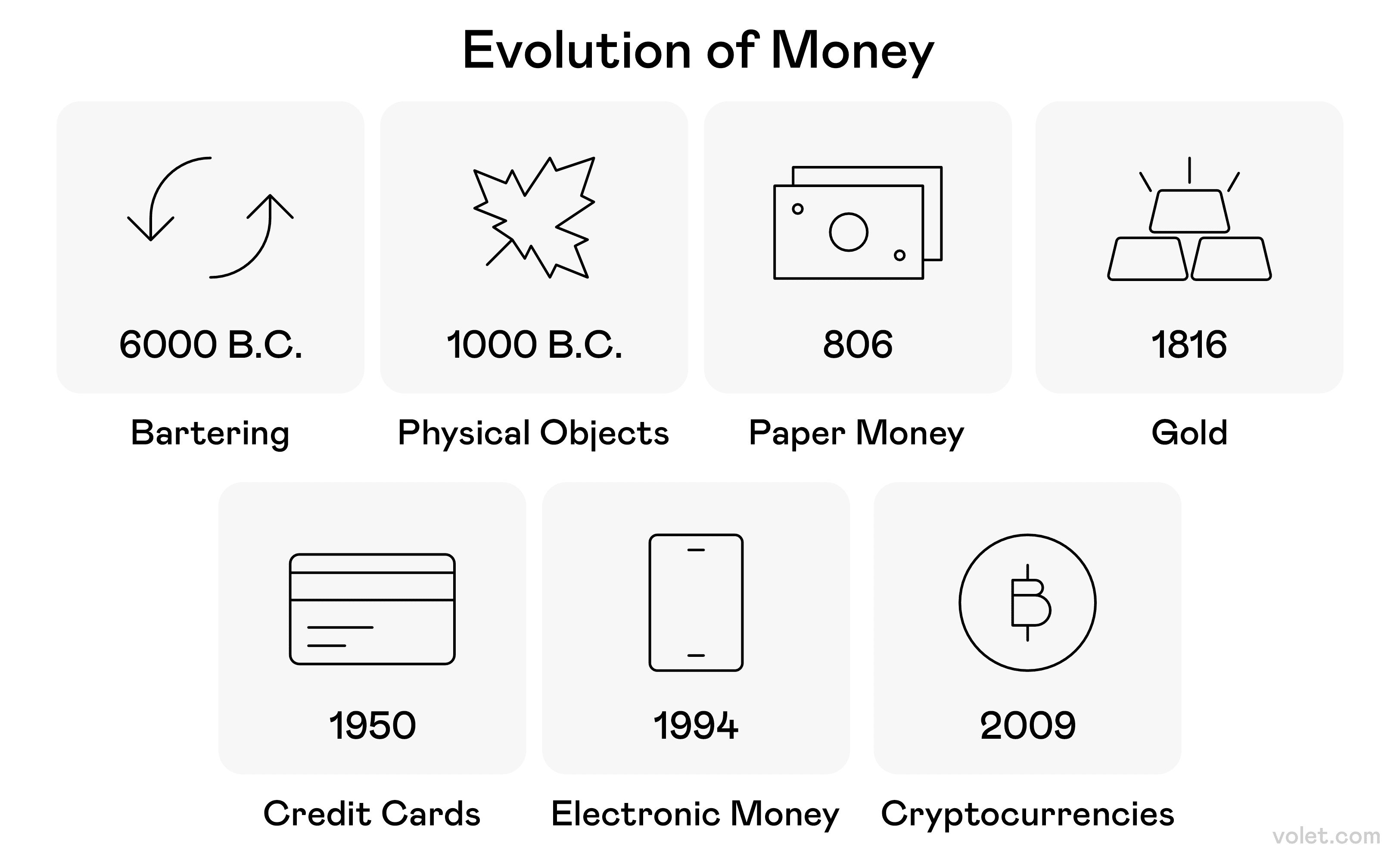
The evolution of merchant services reflects the broader transformation of commerce throughout history. What began as simple cash transactions eventually gave way to credit-based systems, with merchants extending store credit to trusted customers.
In the mid-20th century, the introduction of credit cards revolutionized how businesses accepted payments. Early merchant accounts were complex and often restricted to larger companies that could afford the necessary infrastructure.
The digital revolution of the 1990s brought significant changes as e-commerce emerged and businesses needed solutions to accept online payments. This period saw the rise of payment gateways and virtual terminals, making electronic transactions accessible to smaller merchants.
Today's merchant services landscape is vastly different from its origins. Modern solutions offer integrated approaches, combining payment processing, point of sale systems, and business management tools in single platform solutions that help merchants manage their operations efficiently.
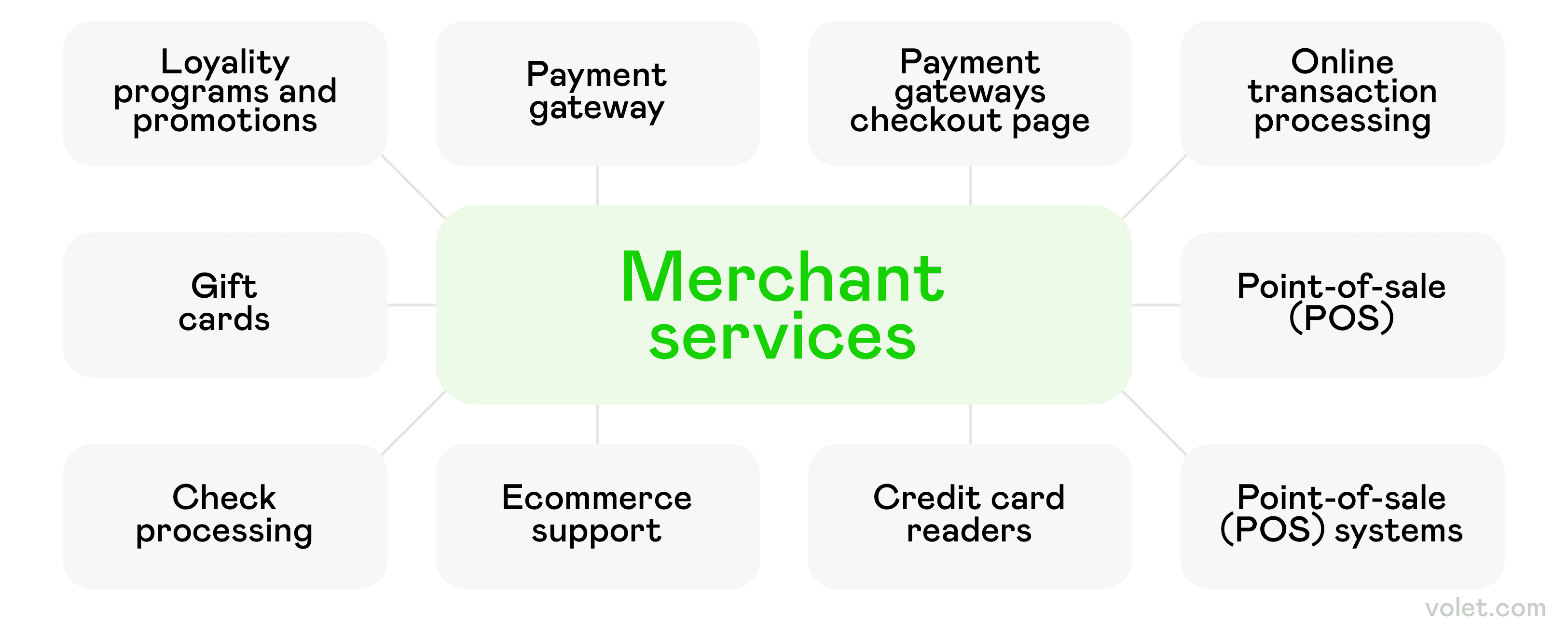
Key Components of Merchant Services
Understanding the building blocks of a comprehensive merchant services solution helps you make informed decisions when selecting providers. Each component plays a crucial role in creating a seamless payment ecosystem that supports both your operational needs and customer expectations. Let's explore the essential elements that form the foundation of effective e-merchant services.
Merchant Account Services
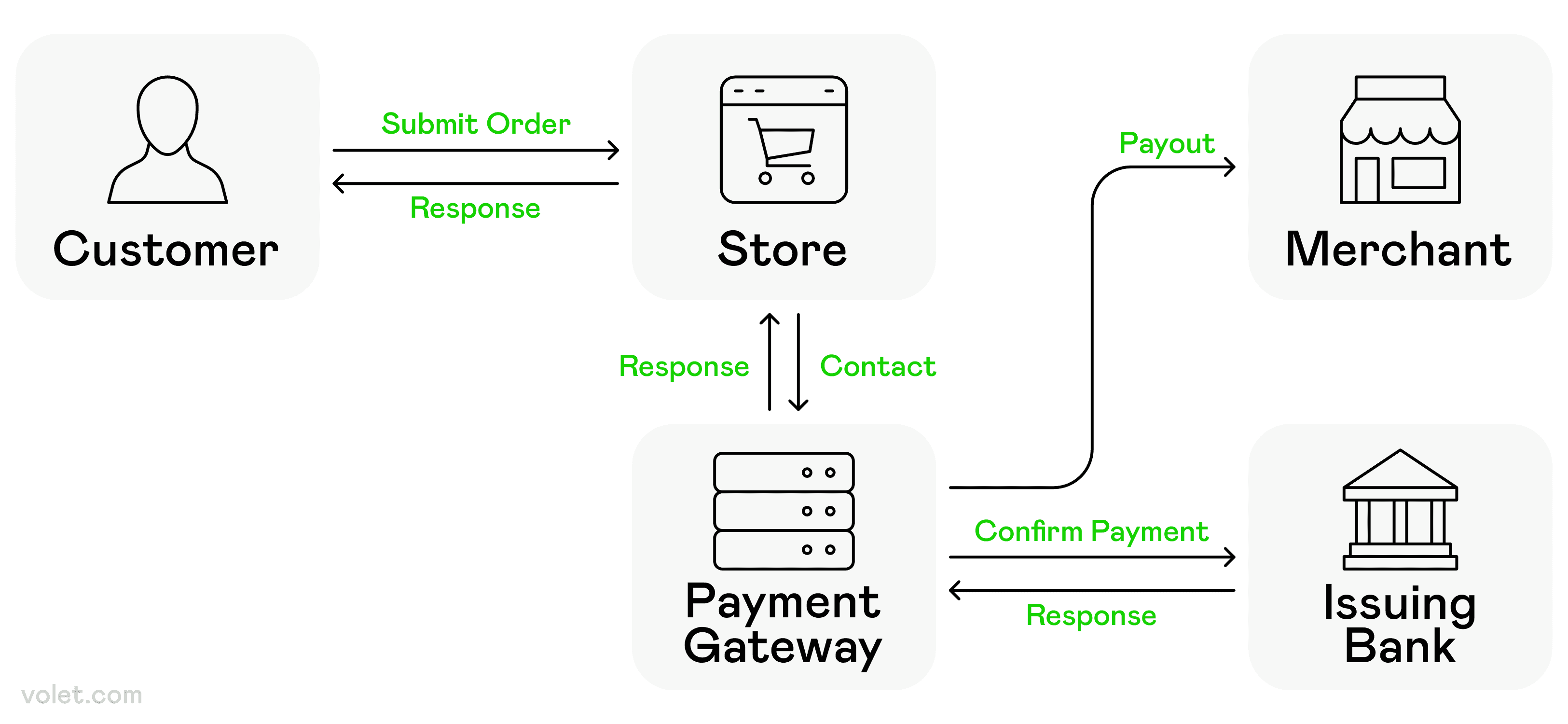
At the core of merchant services is the merchant account—a specialized bank account designed specifically for businesses to accept and process electronic payments. Unlike standard business accounts, merchant accounts enable the transfer of funds from customers' credit or debit cards directly to your business.
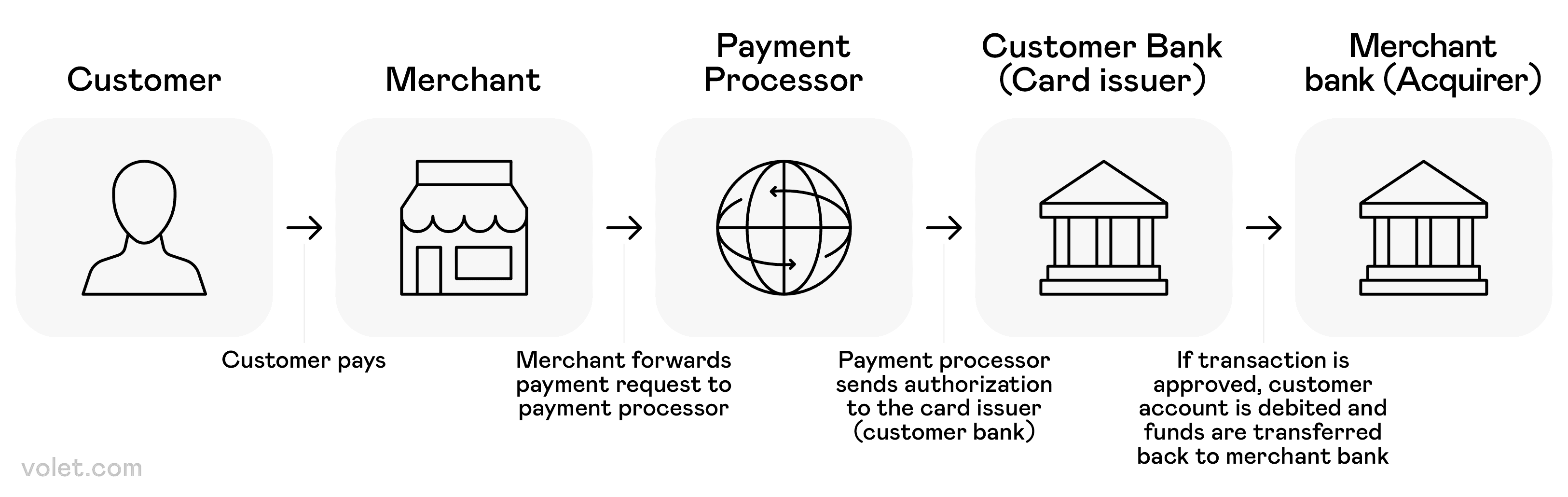
When a customer makes a purchase using their credit card, the transaction goes through several verification steps before approval. The payment processors validate the card details, confirm available funds, and transfer the money to your merchant account. This process, though complex behind the scenes, typically completes within seconds.
Your merchant account serves as an intermediary holding place before funds move to your regular business bank account. This arrangement protects both merchants and customers while ensuring secure transaction processing.
Payment Processing Solutions
Payment processors serve as the technical intermediaries between your business, the customer's bank, and your merchant account. They handle the secure transmission of payment data, ensure regulatory compliance, and help prevent fraud.
Modern payment processing solutions offer multi-channel capabilities, allowing you to accept payments through various methods:
- In-store credit card machines for in-person transactions
- Online payment gateways for e-commerce sales
- Mobile payment solutions for on-the-go business
- Secure virtual terminals for phone or mail orders
The right payment solution empowers your business to meet customers where they prefer to shop, enhancing the customer experience while maximizing sales opportunities.
Point of Sale Systems
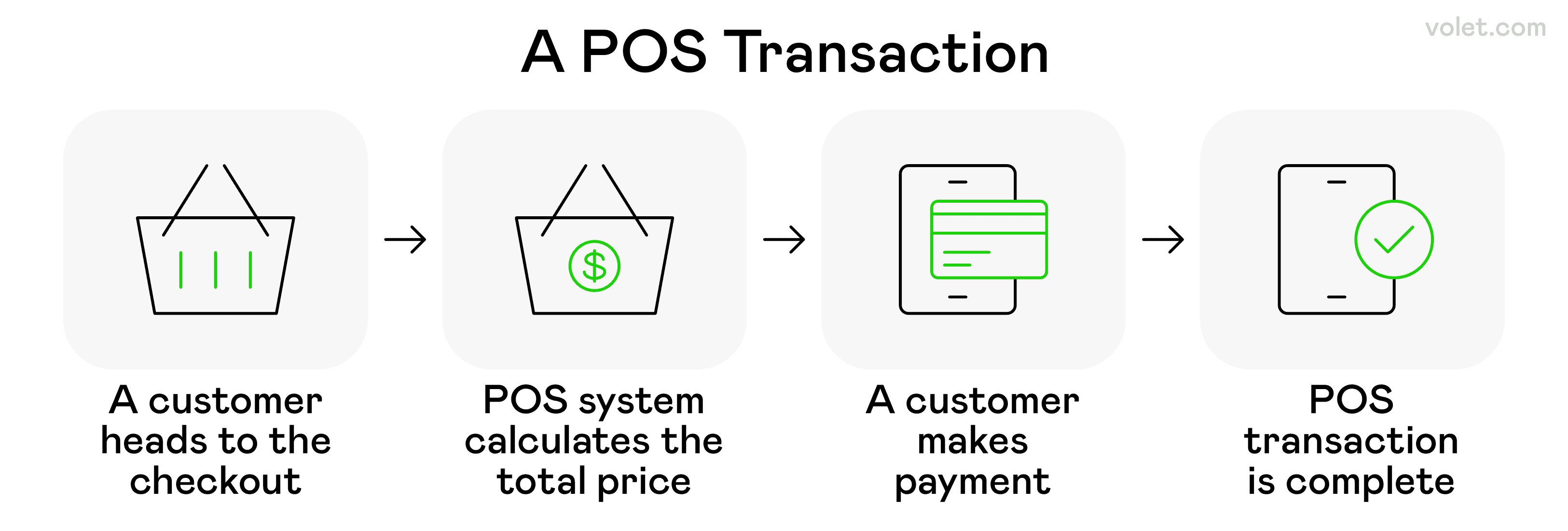
Point of sale systems combine hardware and software components to create comprehensive transaction management solutions. Modern POS terminals do far more than just process payments—they help manage inventory, track sales patterns, generate reports, and even integrate with marketing tools.
For retail and restaurant businesses, a robust point of sale system serves as the operational hub, streamlining checkout procedures while collecting valuable data that can inform business decisions. Advanced systems even offer customer relationship management features, helping you build stronger connections with your clients.
Top eMerchant Services in 2025
The merchant services landscape continues to evolve with innovative solutions that help businesses accept payments and manage transactions more effectively. Here's an overview of the leading providers shaping the industry in 2025:

PayPal
Since separating from eBay in 2015, PayPal has expanded its merchant services offerings while maintaining its position as one of the most recognizable online payment brands. Their trusted reputation makes them an easy choice for businesses entering e-commerce.
Pros:
Universal recognition and customer trust; simple integration to accept online payments; ideal for small businesses and startups.
Cons:
Higher transaction fees than many competitors; potential holds on funds for suspicious activity.

Stripe
Founded in 2010, Stripe began as a developer-friendly payment gateway and has grown into one of the most technically advanced payment platforms. Their API-first approach has made them the backbone of countless online businesses and digital marketplaces.
Pros:
Developer-friendly platform with robust API; excellent for processing payments for subscription-based businesses; supports over 135 currencies for global sales.
Cons:
Technical setup can be challenging for non-technical users; customer support response times sometimes lag.
Square
Launched in 2009, Square revolutionized mobile payments with their iconic card reader that turned smartphones into point of sale terminals. They've since expanded into a full-featured payment solution for businesses of all sizes.
Pros:
Simple flat-rate pricing structure; free POS software; instant setup without approval delays; excellent for in-person retail and restaurant sales.
Cons:
Account stability issues reported by some high-volume merchants; limited customization for complex businesses.

Shopify
Originally launched in 2006 as an e-commerce platform, Shopify has evolved into a comprehensive merchant services provider. Their all-in-one solution combines online store capabilities with integrated payment processing, making them a powerhouse for digital-first businesses.
Pros:
Exceptional free online store builder with integrated payment processing; comprehensive e-commerce tools; excellent for small business owners scaling online.
Cons:
Higher transaction fees for merchants not using Shopify Payments; monthly subscription costs add up for advanced features.

Helcim
Founded in 2006 in Canada, Helcim has built a reputation for transparency in the merchant services industry. Their volume-based pricing model has disrupted traditional payment processing fee structures, making them particularly attractive to growing businesses.
Pros:
Transparent interchange-plus pricing that decreases as sales volume grows; no monthly fees; excellent customer support for merchant accounts.
Cons:
Not ideal for very low-volume merchants; limited integrations compared to larger providers.
Chase
As traditional banking giants, Chase and Bank of America leverage their financial infrastructure to offer merchant services with same-day deposit options and integrated banking solutions. Their established presence provides stability and reliability for established businesses.
Pros:
Competitive payment processing rates for businesses with existing banking relationships; same-day deposits to Chase business accounts; excellent stability and reliability.
Cons:
More stringent approval requirements; less suitable for high risk business; longer setup times.
Stax
Formerly known as Payment Depot, Stax pioneered the membership-based pricing model in merchant services. Their approach eliminates percentage markups on transactions, providing predictable costs that don't increase with sales volume.
Pros:
Subscription-based pricing with direct interchange access; simple pricing plans with low transaction fees; no percentage markup on transactions.
Cons:
Monthly fees make it less suitable for seasonal businesses; primarily serves US-based merchants.
Clover
Acquired by First Data in 2012, Clover has become known for their elegant, all-in-one point of sale hardware and software systems. Their app marketplace allows businesses to customize their payment solution with additional capabilities.
Pros:
All-in-one hardware and software POS system; customizable through app marketplace; excellent for restaurants and retail businesses to accept payments efficiently.
Cons:
Equipment costs are significant; locked into First Data for payment processing.
US Bank
With over 150 years of banking experience, US Bank brings institutional knowledge to their merchant services offerings. Their industry-specific solutions cater to specialized business requirements across various sectors.
Pros:
Established reputation; good for businesses with complex banking needs; relationship pricing discounts for merchant accounts.
Cons:
Less transparent pricing structure; more traditional approach less suited for digital-first businesses.

Volet.com
Launched in 2014, Volet.com brings blockchain technology to merchant services, focusing on international payment processing. Their innovative approach provides businesses with access to global markets through efficient cross-border transactions.
Pros:
Blockchain technology for fast, low-cost international transactions; supports over 150 countries and 110+ fiat currencies; instant P2P transfers without requiring crypto expertise.
Cons:
Newer to the merchant services space; more focused on international transfers than comprehensive merchant services.
Merchant Service Providers for Diverse Business Needs
Selecting from among the most merchant service providers requires careful consideration of your specific business requirements. Here's an overview of leading options that consistently deliver exceptional value:
Provider A: Comprehensive Solutions for Growing Businesses
This provider stands out for their ability to support merchants through various growth stages. Their scalable solutions include:
- Competitive credit card processing costs
- Robust payment gateway options
- Advanced fraud protection
- Integrated business management tools
- Dedicated customer support
Small business owners particularly appreciate this provider's transparent pricing structure and absence of long-term contracts.
Provider B: Specialized E-Commerce Support
For businesses focused primarily on online sales, this provider offers specialized tools that enhance the e-commerce experience:
- Seamless website integration
- Advanced shopping cart solutions
- Multi-currency support
- Subscription billing capabilities
- Mobile optimization
Their platform helps merchants create friction-free checkout experiences that boost conversion rates and reduce cart abandonment.
Provider C: High-Risk Business Solutions
Some industries face challenges securing standard merchant accounts due to perceived risk factors. Companies that offer merchant services to high risk business sectors specialize in:
- Tailored risk management approaches
- Chargeback prevention tools
- Enhanced security protocols
- International payment processing
- Flexible underwriting criteria
Their expertise in navigating regulatory challenges makes them valuable partners for businesses in specialized industries. These providers ensure merchant accounts approved quickly with favorable terms.
Choosing the Right Merchant Services for Your Business
These merchant services ensure smooth payment experiences for your customers. As you evaluate merchant service providers, consider these essential factors:
Understanding Pricing Structures
Merchant services fees typically include:
- Transaction fees (percentage plus fixed amount)
- Monthly service charges
- Equipment costs
- PCI compliance fees
- Chargeback fees
Look beyond advertised rates to understand the total cost of ownership. Some providers offer seemingly low processing rates but add numerous additional fees that significantly increase overall expenses.
Security and Compliance Considerations
Protecting customer payment data isn't optional—it's essential for maintaining trust and meeting regulatory requirements. Evaluate providers based on:
- PCI DSS compliance support
- Encryption capabilities
- Tokenization options
- Fraud prevention tools
- Protection against data breaches
The right provider helps shield your business from security vulnerabilities while simplifying compliance requirements, offering a secure way to handle sensitive information.
Integration Capabilities
Your payment processing system should work seamlessly with your existing business tools. Consider how potential providers integrate with:
- Accounting software
- Inventory management systems
- CRM platforms
- E-commerce platforms
- Marketing automation tools
Proper integration reduces manual data entry, minimizes errors, and provides more comprehensive business insights.
Customer Support Quality
When payment issues arise, quick resolution is critical. Evaluate potential providers based on:
- Support availability (24/7 vs. limited hours)
- Multiple contact channels
- Technical expertise
- Implementation assistance
- Training resources
Responsive support teams help minimize downtime and resolve issues before they impact your customers.
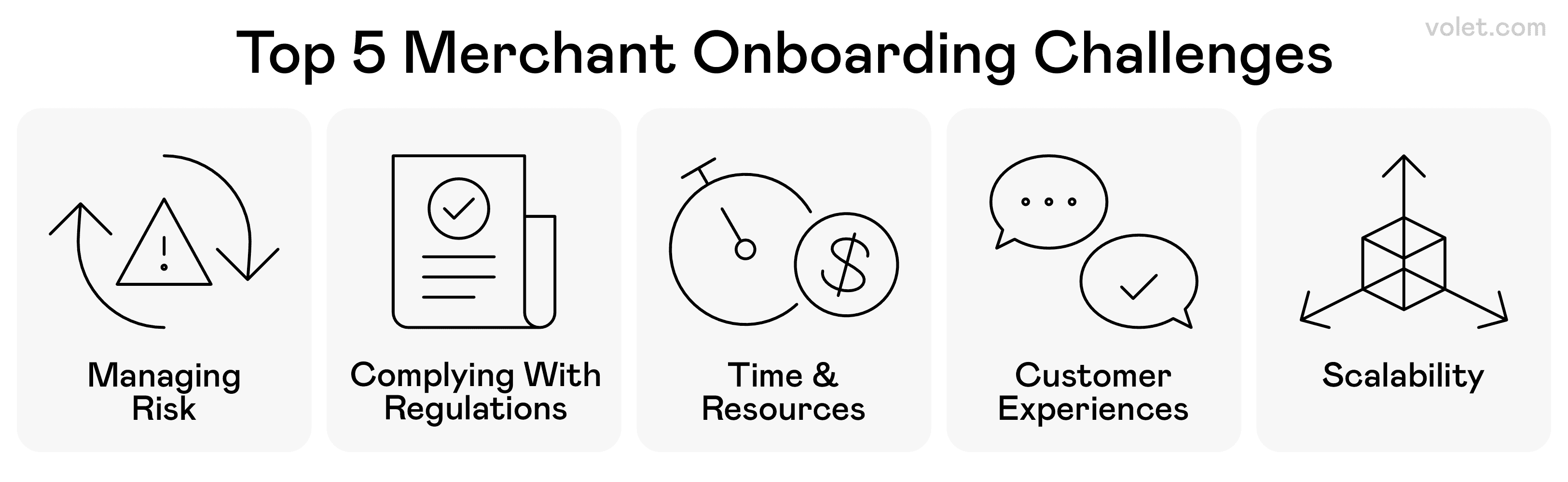
Highlights of key operational and strategic barriers businesses face during merchant onboarding.
Common Challenges and Solutions
Even the most robust merchant services solution comes with potential obstacles that business owners must navigate. Understanding these common challenges and implementing effective strategies to address them can make the difference between a payment system that merely functions and one that truly drives business growth.
Managing Cash Flow
Payment processing timelines can impact your cash flow, especially for businesses with tight operating margins. Solutions include:
- Negotiating faster settlement times with your provider
- Implementing working capital solutions
- Setting up multiple merchant accounts for backup
- Using instant transfer options when available
These approaches help ensure consistent access to funds when needed, allowing merchants to manage their money effectively.
Handling Chargebacks
Customer disputes leading to chargebacks can be costly and time-consuming. Minimize their impact by:
- Documenting all transactions thoroughly
- Implementing clear return policies
- Using address verification and CVV requirements
- Responding promptly to dispute notifications
- Analyzing chargeback patterns to identify root causes
A proactive approach to chargebacks protects your revenue while improving customer relationships.
Adapting to Technology Changes
Payment technologies evolve rapidly, requiring merchants to stay current. Stay ahead by:
- Scheduling regular system reviews
- Budgeting for periodic upgrades
- Participating in provider training sessions
- Following industry news and developments
- Testing new features in controlled environments
This forward-looking approach ensures your payment systems remain competitive and secure.
Closing Thoughts
Implementing the right eMerchant services isn't just about processing transactions—it's about creating a foundation for sustainable business growth. Today's integrated payment solutions offer unprecedented opportunities to streamline operations, understand your customers, and deliver exceptional experiences at every touchpoint.
As payment technologies continue to evolve, the merchants who thrive will be those who view their payment infrastructure as a strategic asset rather than a necessary utility. By selecting merchant service providers that align with your specific business goals, you position yourself to adapt quickly to changing consumer preferences and market conditions.
Remember that the best merchant accounts grow with your business, offering scalable solutions that accommodate increasing transaction volumes and expanding sales channels. Whether you're just starting or looking to optimize existing systems, investing in quality merchant services delivers returns far beyond simple payment processing—it creates the operational efficiency and customer satisfaction that drive long-term success.
Frequently Asked Questions
A merchant account is specifically designed to accept and process electronic payments, particularly credit card transactions. It serves as an intermediary holding account before funds transfer to your regular business bank account.
Merchant account services provide consistent, predictable payment processing that helps maintain healthy cash flow. By efficiently accepting credit cards and offering multiple payment options to customers, business owners can reduce payment delays, minimize unpaid invoices, and gain quicker access to funds.
For in-person transactions, invest in reliable credit card machines with EMV chip readers and contactless payment capabilities to ensure security and convenience. To accept online payments effectively, implement a secure payment gateway with strong encryption, mobile optimization, and a streamlined checkout process.
Quality merchant services contribute to business growth by enabling faster transactions, providing valuable customer insights, and supporting multiple sales channels. The right provider offers specialized tools that analyze purchasing patterns, facilitate marketing campaigns, and assist with routine tasks.
Small business owners should evaluate processing costs beyond the headline rate, ensuring they understand all potential fees. Consider your typical transaction size and volume, as different pricing models benefit different business profiles.
Merchant account providers give businesses the ability to accept and manage electronic payments, especially from credit cards. These services are essential for ecommerce stores, as they support secure transactions and often come bundled with fraud protection. Many digital merchant services also offer analytics, recurring billing tools, and integrations with popular shopping carts.
An ecommerce payment gateway securely connects your website to the payment processing network. It handles data encryption, customer authentication, and payment authorization. The right ecommerce checkout solutions reduce cart abandonment and boost conversion rates by offering faster and more trusted payment experiences.
To make a useful merchant services comparison, consider transaction fees, settlement time, ease of integration, and support for multiple payment methods. Payment solutions for online business should be scalable and tailored to your specific platform, whether it’s Shopify, WooCommerce, or a custom store. Volet, Stripe, and Square are examples of providers with competitive offerings for ecommerce.
Disclaimer
This article is provided for informational purposes only and does not constitute legal, financial, or professional advice. All content is based on publicly available information and personal opinions. Readers are advised to seek professional guidance before making decisions or acting based on the material presented. The author and publisher assume no liability for any actions taken or not taken by the reader based on the information contained herein.
Do More With Your Money
Manage digital money effortlessly: send, receive, and exchange crypto for business and everyday life
Let’s talk about your payment needs!
Message your manager in any language:
Author

Team Volet.com
We share news, updates, tips, and announcements to keep readers informed about Volet.com.
Follow us to never miss a new article