I still remember my first crypto withdrawal—the mix of excitement and anxiety as I waited to see if my Bitcoin would safely arrive in my wallet. I nearly had a heart attack when my Bitcoin "disappeared" for 45 minutes. Spoiler alert: everything was fine—the network was just congested. 😅
I've been through the crypto withdrawal process more times than I can count, made every rookie mistake possible, and learned a ton along the way. So, let's break down this whole "how to withdraw crypto" business together, shall we? If you're trying to withdraw cryptocurrency safely—whether to your bank account or a private wallet—understanding the process step by step can save you time, money, and unnecessary stress.
Understanding Crypto Withdrawals
Before learning how to withdraw crypto to your bank account or external wallet, it's important to understand what happens behind the scenes. A crypto withdrawal involves moving your digital assets from one wallet to another—whether that's transferring Bitcoin to a hardware wallet or converting your crypto to fiat currency.
Each cryptocurrency operates on its own network, with different processing times and fee structures. Bitcoin transactions typically confirm slower than those on newer networks like Solana, which affects how quickly you can access your funds.
Preparing for Your First Withdrawal
Look, I’ve learned some lessons the hard way—like the time I tried to withdraw without verifying my account first, only to get hit with a message saying I couldn’t. Not fun! Here's what you should do before proceeding:
- Verify your identity: Most reputable exchanges require KYC (Know Your Customer) verification to safeguard against fraud. This typically involves uploading identification documents and confirming personal details.
- Choose your destination: Decide whether you're withdrawing to a bank account (converting to fiat) or transferring to an external wallet (keeping as crypto).
- Check withdrawal limits and fees: Different platforms have varying daily withdrawal limits and fee structures. These fees can significantly impact smaller transactions, so review the platform's fee schedule before proceeding.
How to Withdraw Crypto to Fiat Currency
I remember panicking when my first cash-out took three days to hit my bank account... Here's how to avoid the stress I went through! If you're looking to cash out crypto and turn your digital assets into traditional money, follow these steps:
Step 1: Log into your exchange account
Access your chosen cryptocurrency exchange platform. Exchanges like Coinbase offer user-friendly interfaces for withdrawals.
Step 2: Navigate to the withdrawal section
Look for the "Withdraw" or "Cash Out" option, typically found in your account dashboard. Some exchanges place this under a "Wallet" or "Funds" section.
Step 3: Select the cryptocurrency to convert
Choose which digital asset you want to withdraw from your available balance. If you're converting to fiat currency, you'll likely need to sell your crypto for USD, EUR, or your local currency first.
Step 4: Connect your bank account
For first-time withdrawals, you'll need to link a bank account. This process involves:
- Entering your bank details
- Completing a verification process (often through small test deposits)
- Confirming the connection
Step 5: Enter withdrawal amount
Specify how much you want to withdraw. The platform will display the applicable transaction fees and the final amount you'll receive.
Step 6: Confirm and complete the transaction
Review all details carefully before confirming. Most exchanges will send a confirmation email or require two-factor authentication to approve large withdrawals.
After confirmation, your transaction will be processed. Bank transfers typically take 1-5 business days to complete, depending on your bank and the exchange's processing times.
Transferring Crypto to an External Wallet
After an exchange I was using got hacked, I learned the hard way why self-custody matters. Here's what you need to know about moving your crypto to safer storage! 🔒
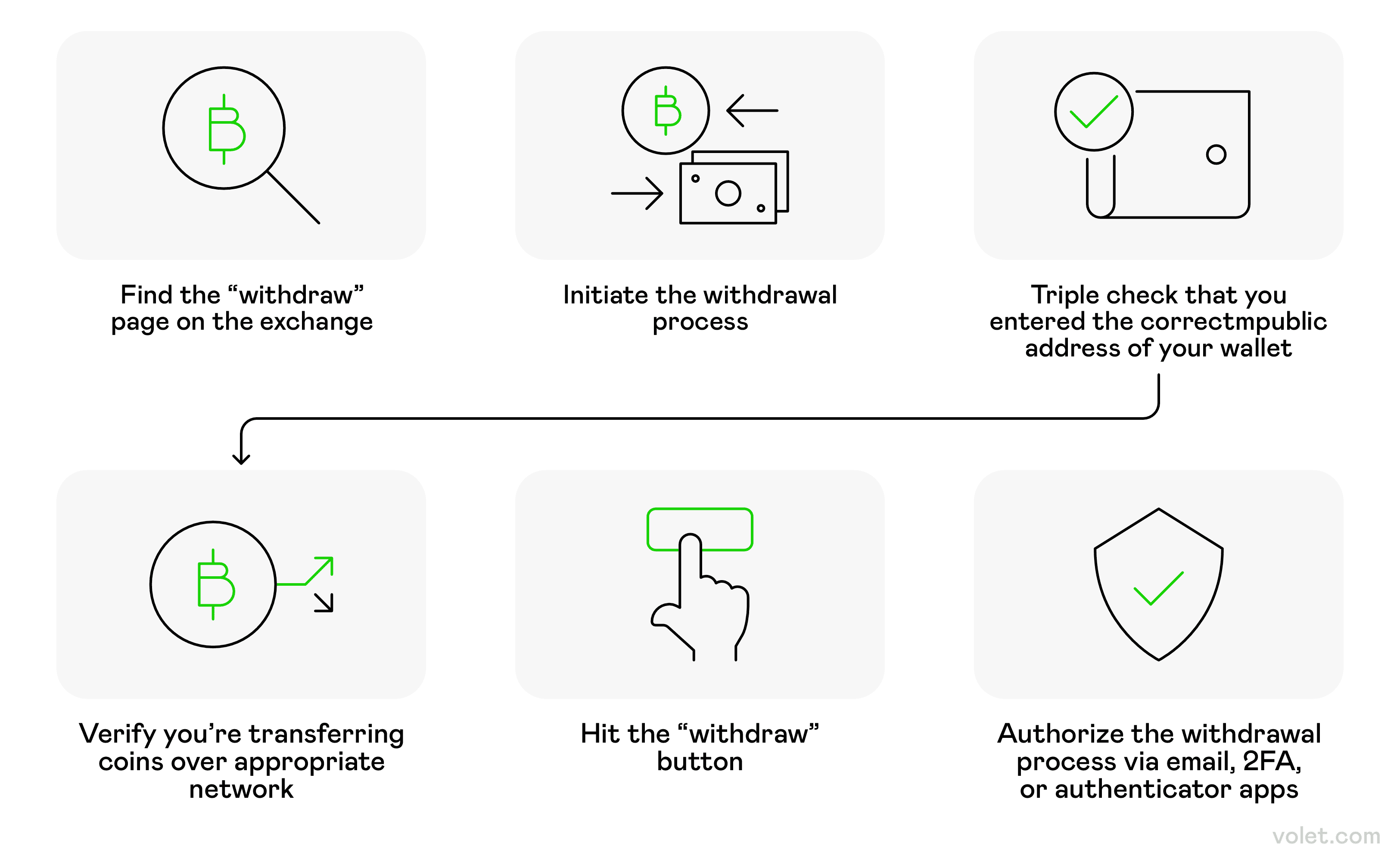
If you prefer to maintain control of your digital assets rather than converting to cash, transferring to an external wallet offers greater security and ownership. Here’s what to do:
Step 1: Access the withdrawal function
Log into your exchange account and navigate to the withdrawal section.
Step 2: Select the cryptocurrency to transfer
Choose which coin you wish to withdraw. Remember that each cryptocurrency has its own unique network, so you must send Bitcoin to a Bitcoin-compatible wallet, Ethereum to an Ethereum-compatible wallet, and so on.
Step 3: Add the recipient's address
This is the most critical step when learning how to withdraw crypto safely. You'll need to:
- Open your destination wallet and locate your deposit address
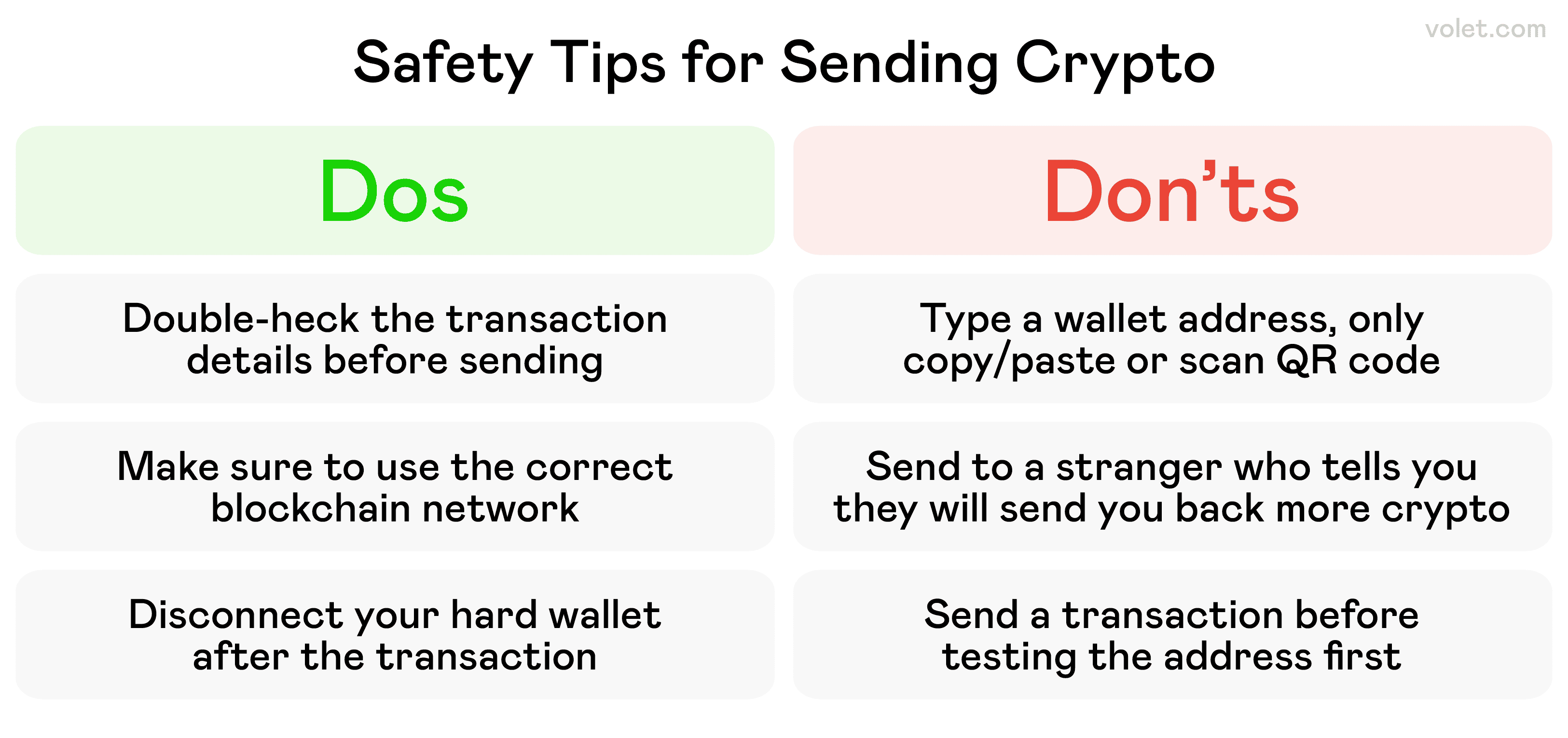
- Copy the wallet address exactly (or scan the QR code if available)
- Double-check the address character by character before proceeding
Step 4: Enter the amount to transfer
Specify how much cryptocurrency you wish to send. The platform will display:
- The network fee (which varies based on network congestion)
- The amount that will arrive in your destination wallet
Step 5: Confirm and monitor the transaction
After confirming the withdrawal:
- You'll receive a transaction ID
- You can track the status of your transaction on a blockchain explorer
- Most wallets will notify you once the funds arrive
Best Security Practices for Crypto Withdrawals
I've had my share of close calls with crypto security. These are the practices that have kept my assets safe over the years! ⚠️
When withdrawing crypto, security should be your top priority:
- Use whitelisting: Many exchanges allow you to whitelist specific withdrawal addresses, meaning your funds can only be sent to pre-approved wallets.
- Enable two-factor authentication: Always protect your account with 2FA to prevent unauthorized withdrawals. Google Authenticator or Authy provide stronger security than SMS-based authentication.
- Verify addresses through multiple channels: If sending to another person, confirm the address through a separate communication method to avoid man-in-the-middle attacks.
- Start with small test transactions: When sending to a new address for the first time, consider sending a minimal amount first to verify everything works correctly.
- Review transaction history regularly: Monitor your account for any suspicious activity and report unauthorized transactions immediately.
Common Withdrawal Issues and Solutions
Been there, dealt with that! Here are some headaches I've faced with crypto withdrawals and have overcome them. Even experienced users encounter problems with crypto withdrawals. Here are solutions to common issues:
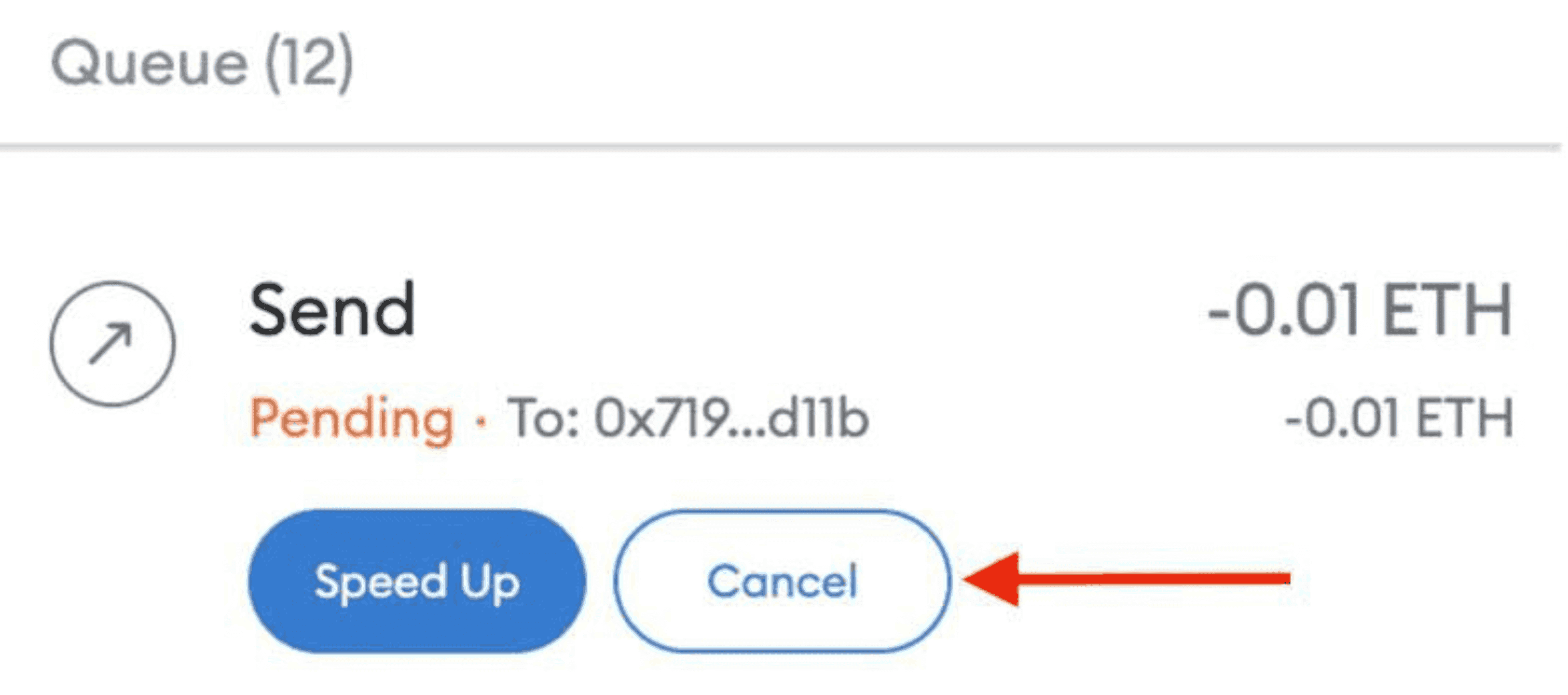
Transaction Stuck "Pending"
If your withdrawal seems stuck:
- Check the network status for congestion
- Verify that you have sufficient funds to cover both the withdrawal amount and the network fee
- Contact support if the issue persists for more than 24 hours
Incorrect Address Format
If you receive an "invalid address" error:
- Ensure you're withdrawing to the correct network (e.g., don't send BTC to an ETH address)
- Check for any typos or extra spaces in the address
- Verify that the address format matches the expected format for that cryptocurrency
Unexpected Fees
If fees seem higher than expected:
- Research current network conditions, as fees increase during high congestion
- Consider using exchanges that support multiple networks for the same asset
- For non-urgent transfers, some platforms allow you to set custom fees (lower fees mean longer confirmation times)
Making the Most of Your Crypto Withdrawals
Over time, I've discovered some tricks that have saved me both money and stress when withdrawing crypto. Let me share my favorite optimization tips with you!
To optimize your experience:
- Time your withdrawals: Network fees fluctuate throughout the day and week. For Bitcoin and Ethereum, weekends often have lower fees.
- Consider tax implications: In most countries, converting crypto to fiat is a taxable event. Keep detailed transaction records for your tax reporting.
- Compare exchange rates: If converting to cash, different platforms offer varying exchange rates, potentially affecting how much money you ultimately receive.
Final Thoughts
After countless withdrawals—both successful and occasionally nerve-wracking—I've learned that patience and attention to detail are your best friends in the crypto world. Take your time, double-check everything, and don't hesitate to start with small test transactions when trying something new.
I still remember losing $50 worth of Ethereum because I rushed a transaction to the wrong address. That expensive lesson taught me the value of triple-checking everything before hitting "confirm." The crypto landscape can seem intimidating at first, but once you've done a few successful withdrawals, the process becomes second nature.
Remember that the crypto space is constantly evolving. Fee structures change, new networks emerge, and platforms update their interfaces. What worked perfectly last month might be slightly different today, so always approach each withdrawal with fresh eyes.
Most importantly, never rush a withdrawal due to FOMO or market pressure. Those moments of haste are when mistakes happen. The extra minute you spend verifying details could save you from losing your hard-earned assets.
FAQs
These are the questions I wish someone had answered for me when I first started withdrawing crypto. Hope they help you too!
How long do crypto withdrawals take to process?
Withdrawal times vary by cryptocurrency network and destination. Exchange-to-exchange transfers might take minutes, while bank transfers can take 1-5 business days. Bitcoin transactions typically confirm within 10-60 minutes, while Ethereum can take 2-5 minutes depending on network congestion.
Are there limits on how much crypto I can withdraw?
Yes, most exchanges impose daily and monthly withdrawal limits. These limits vary based on your verification level, account history, and the platform's policies. Check your exchange's limit structure before planning large withdrawals.
What happens if I send crypto to the wrong address?
Unfortunately, cryptocurrency transactions are irreversible. If you send to an incorrect address, the funds are likely unrecoverable. This underscores the importance of double-checking addresses before confirming any withdrawal.
Can I cancel a crypto withdrawal once it's been submitted?
Generally no. Once broadcast to the blockchain, transactions cannot be canceled. Some exchanges may be able to cancel withdrawals that are still in the "processing" stage and haven't been broadcast, but this varies by platform.
Why does my exchange charge different withdrawal fees for different cryptocurrencies?
Each cryptocurrency operates on its own network with unique transaction fee structures. Some networks (like Bitcoin) have higher base fees than others (like Stellar). Exchanges typically pass these network fees to users, sometimes adding their own service fee.
What are the basic steps for selling cryptocurrency?
Selling cryptocurrency typically starts with choosing a reliable platform like Volet, Binance, or Coinbase. From there, users can convert crypto to fiat by selecting the currency they want to receive, such as USD or EUR. Timing matters—market prices can shift quickly, so it’s smart to watch exchange rates.
What’s the best way to convert crypto to cash?
A reliable crypto cash out guide starts with choosing a regulated platform that offers both liquidity and security. Options to convert crypto to cash include direct bank transfers, fiat wallet funding, or using a crypto debit card. Always verify withdrawal fees and limits before proceeding.
Disclaimer
This article is provided for informational purposes only and does not constitute legal, financial, or professional advice. All content is based on publicly available information and personal opinions. Readers are advised to seek professional guidance before making any decisions or taking any actions based upon the material presented. The author and publisher assume no responsibility for any actions taken or not taken by the reader based on the information contained herein.