Learn how to send crypto safely and effectively with our simple guide. Protect your investments and secure your transactions!
As crypto adoption grows, sending crypto safely is key. Whether you’re sending Bitcoin, Ethereum or any other crypto asset, the process involves some key steps to make sure your funds reach the right recipient without errors.
Before sending Bitcoin or any other cryptocurrency, you should get a Bitcoin wallet. It holds private and public keys for transactions and comes in various types for both newbies and experienced users.
Let’s cover everything from choosing the right crypto wallet to verifying the recipient’s wallet address, along with tips to avoid common mistakes.
Bitcoin Paper Wallet
Crypto Wallets and Addresses
A crypto wallet is a software program that allows you to store, send and receive cryptocurrencies like Bitcoin, Ethereum and others. Understanding the crypto transfer process starts with knowing how wallets generate addresses and interact with blockchain networks to move funds securely from one user to another. Each crypto wallet has a unique address, also known as a wallet address, which is used to receive cryptocurrencies. A wallet address is a long string of characters that identifies where the cryptocurrency should be sent. It’s like a bank account number but instead of being used for traditional currencies, it’s used for crypto.
There are different types of crypto wallets, desktop wallets, mobile wallets and hardware wallets. Each type of wallet has its own pros and cons and some are more secure than others. When choosing a crypto wallet, you should consider factors like security, ease of use and compatibility with different cryptocurrencies.
Setting up your Crypto Wallet
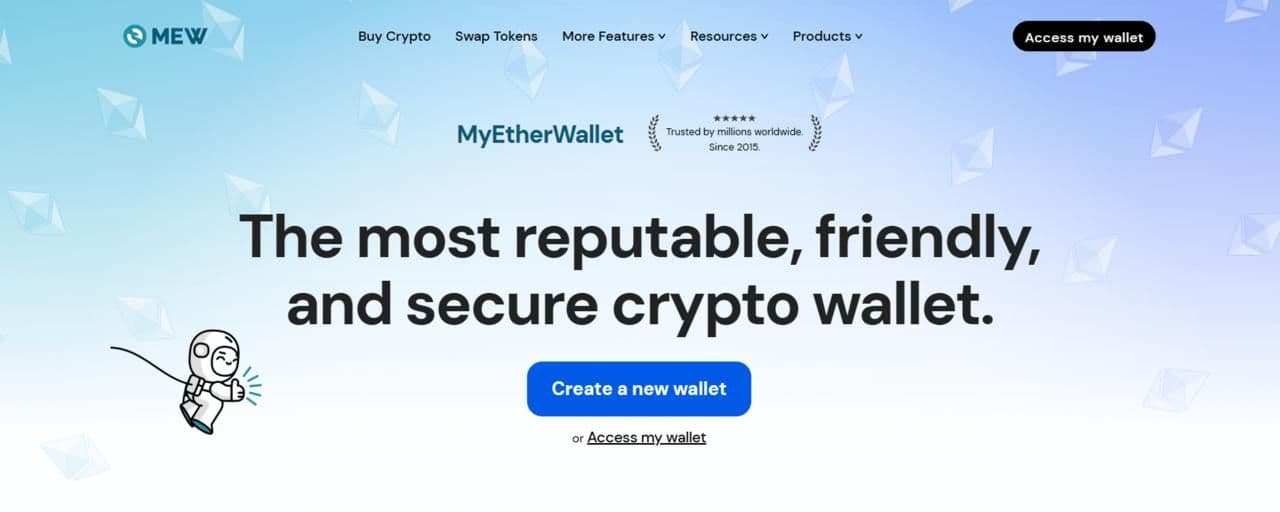
Setting up a crypto wallet is a simple process that involves a few steps. Here’s a general guide for setting up an online wallet, like MyEtherWallet, a very popular one.
Choose a Reputable Provider: Select a well known crypto wallet provider, like Coinbase, MetaMask or Ledger to ensure reliability and security.
Download and Install: Download the wallet software on your computer or mobile device from the provider’s official website or app store.
Create a New Wallet: Follow the prompts to create a new wallet, providing the necessary information as requested.
Generate your crypto wallet with MyEtherWallet
Set Up Security: Create a strong password and enable two-factor authentication to add an extra layer of security to your wallet.
Copy-Paste the generated private keys: They are your login and password. Store them safely and never lose them.
Fund Your Wallet: Buy cryptocurrencies or transfer them from another wallet to fund your new wallet.
Once you have set up your crypto wallet, you can use it to send and receive cryptocurrencies. Make sure to keep your wallet address and private keys safe, as they are used to access your cryptocurrencies.
How to Send Crypto: Step-by-Step Guide
1. Choose the Right Crypto Wallet
Just in case you missed the previous section, to make a transaction you’ll need a crypto wallet that supports the digital coins you want to send.
Hot Wallets (e.g., Coinbase, Trust Wallet, MetaMask). This one we’ve described above.
Cold Wallets (e.g., Ledger, Trezor) for extra security. Stores your funds offline.
Transactions using non-custodial wallets are recorded on the Bitcoin blockchain and transaction fees vary based on how fast you want to confirm them within the network. You can also use a custodial wallet, of course, but it’s going to be less private. Plus, you won’t own the private keys.
2. Get the Recipient’s Wallet Address
The recipient’s wallet address is like their crypto “account number”. It’s a long string of characters unique to their wallet. You can:
Copy-Paste the Address: Always double-check for typos.
Scan a QR Code: Many wallets allow you to scan the recipient’s QR code to automatically fill in the address.
⚠️ Important: Sending crypto to the wrong address can’t be reversed. Always verify the address before confirming the transaction.\
3. Enter the Amount to Send
Specify how much crypto you want to send.
Some wallets let you choose between entering the crypto amount (e.g., 0.01 BTC) or its fiat equivalent (e.g., £200).
Do your research and be aware of the tax implications and market volatility associated with crypto assets.
A visual representation of how to calculate your taxable crypto gains
Tip: Double-check the crypto balance in your wallet to make sure you have enough, including funds to cover transaction fees. 4. Adjust Network Fees (If Applicable)
Crypto transactions often include network fees (also known as gas fees) which are paid to miners to process your transaction on the blockchain:
Higher Fees = Faster Transaction: Ideal for urgent payments.
Lower Fees = Slower Processing: Suitable for non-urgent transfers.
Network fees vary based on:
Network Congestion: High traffic = higher fees (common with Ethereum).
Crypto Type: Bitcoin and Ethereum usually have higher fees than others like XRP or Litecoin.
5. Review and Confirm the Transaction
Before you hit send:
Seriously, can’t stress this enough. Verify the Recipient’s Address: A simple copy-paste error can send funds to the wrong address.
Check Transaction Details: Amount, fees, and wallet type (Bitcoin address, Ethereum address, etc.). Higher network fees can lead to quicker transaction confirmation by miners, which affects how quickly a transaction will be confirmed.
Once everything looks good, click confirm.
6. Wait for Transaction Confirmation
After sending, the transaction goes to the blockchain for validation:
Bitcoin: Can take 10 minutes to an hour.
Ethereum & Others: Typically faster, within seconds to minutes.
Make sure you have the correct wallet type set up before receiving crypto to avoid any issues. You can track the status using a block explorer (e.g., Etherscan for Ethereum).
Sending Crypto as a Payment or Gift
How to Send Crypto as a Payment
Use Payment Processors: Some businesses accept crypto through services like BitPay.
Peer-to-Peer (P2P): Direct wallet-to-wallet transfers for freelancers, contractors or personal transactions. This is one of the most common ways to send cryptocurrency quickly without intermediaries, especially for cross-border payments.
How to Gift Crypto
Create a Wallet for the Recipient: Set up a wallet and transfer funds.
Crypto Gift Cards: Available through platforms like Coinbase, Binance or Volet.com.
Share a QR Code or Public Address: If the recipient already has a wallet.
Security Best Practices
Security is top priority when it comes to crypto wallets and transactions. Here are some best practices to help you keep your cryptocurrencies safe:
Use Strong Passwords: Create a strong, unique password for your wallet and don’t use the same password across multiple accounts.
Enable Two-Factor Authentication: Add an extra layer of security by enabling two-factor authentication (2FA) on your wallet.
Keep Software Up to Date: Update your wallet software to get the latest security patches and features.
Use Reputable Providers: Choose a well-known and trusted crypto wallet provider with a good security track record.
Be Careful Online: Don’t click on suspicious links or download attachments from unknown sources to avoid malware.
Use Hardware Wallets: For extra security, consider using a hardware wallet like Ledger or Trezor, which stores your private keys offline.
Keep Private Keys Safe: Never share your private keys with anyone. Store them in a secure location, like a hardware wallet or a secure offline backup.
Use Secure Connections: Always use a secure internet connection when accessing your wallet or making transactions to prevent unauthorized access.
By following these security tips, you can protect your cryptocurrencies from theft and unauthorized access.
Common Mistakes to Avoid When Sending Crypto
Sending to the Wrong Network: For example, sending Ethereum (ERC-20) to a Binance Smart Chain (BEP-20) address could result in lost funds. This is like sending a bank transfer to someone without a bank account, where the transaction can’t be completed.
Ignoring Network Fees: Low fees may delay confirmation, especially during high traffic.
Not Double-Checking Addresses: Copy-paste errors can be costly.
Troubleshooting Common Issues
Here are some common issues that may occur when sending or receiving cryptocurrencies, along with some solutions:
Wrong Address: If you send crypto to the wrong address, it’s gone forever. Always double-check the recipient’s address before sending. Consider using a QR code to minimize the risk of errors.
Transaction Fee: If you’re unsure about the transaction fee, check the fee structure of the crypto you’re using. Some cryptos have higher fees than others. Adjust the fee based on the urgency of your transaction.
Network Congestion: If the network is congested, transactions may take longer to process. Check the network status before sending crypto and adjust the network fee to expedite the process.
Wallet Balance: If you’re unsure about your wallet balance, check your wallet software or contact the wallet provider’s customer support. Make sure you have enough funds to cover the transaction amount and fees.
Transaction Details: If you’re unsure about the transaction details, check the transaction history in your wallet or contact the wallet provider’s support.
By following these tips you can fix common issues and have a smooth crypto sending and receiving experience.
Conclusion
Sending crypto is easy but attention to detail is key. Always double check the wallet address, network fees and the correct blockchain network.
By following these steps you’ll have secure and effective crypto transactions whether you’re paying someone, transferring assets or gifting crypto.
FAQs
Use a crypto wallet to enter the recipient’s wallet address, amount and confirm.
You can send crypto directly to a merchant’s wallet or through payment processors like BitPay.
Just enter the new wallet’s address in your current wallet, select amount, confirm and send
You can gift crypto by transferring to their wallet, creating a wallet for them or using crypto gift cards.
Before initiating blockchain transactions, it's crucial to understand how networks handle transfers. Always confirm the correct crypto address format, double-check network types (e.g., ERC-20 vs TRC-20 for USDT), and ensure you're using a secure wallet. Mistakes can result in permanent loss of funds.
To send stablecoins such as USDT, choose the appropriate network (e.g., Ethereum, Tron) and verify the recipient’s address. Most crypto wallet transfers provide a review screen—always check the details. For added protection, consider enabling two-factor authentication for secure crypto transfers.
Crypto transaction fees vary by network and can impact transfer cost significantly. Ethereum often has higher gas fees, while other blockchains like Tron are more affordable. When making crypto wallet transfers, factor in both network fees and platform withdrawal charges to avoid surprises.
Disclaimer
This article is for information purposes only and not for legal, financial or professional advice. All content is based on publicly available information and personal opinions. Readers are advised to seek professional guidance before making any decisions or taking any actions based on the information provided. The author and publisher assume no liability for any actions taken or not taken by the reader based on the information contained herein.