Cryptocurrency has changed the way we think about money and investing, a decentralized, borderless, digital currency. But that comes with a big downside: the risks of storing and managing crypto assets. Whether you’re a seasoned investor or just starting your crypto journey, understanding the security measures to protect your cryptocurrency wallets is key
Before we get into crypto wallet security, you need to understand that the most important part of a crypto wallet is the private key. These keys are the password to your cryptocurrency. If someone gets your private key, they can get your funds, so protecting your private key is part of crypto security. Ensuring safe transactions and choosing the right type of wallet and storage methods are crucial for enhancing protection against cyber threats.
Definition and Purpose of a Crypto Wallet
A crypto wallet is a software program or physical device that allows you to store, send, and receive cryptocurrencies securely. Think of it as a digital bank account for your crypto assets. The primary purpose of a crypto wallet is to manage your cryptocurrencies efficiently while keeping your private keys safe. These private keys are crucial because they grant access to your funds and authorize transactions on the blockchain. Without a crypto wallet, you wouldn’t be able to interact with the cryptocurrency market, making it an essential tool for anyone involved in crypto trading or investment.
Importance of a Crypto Wallet in Cryptocurrency Transactions
A crypto wallet is essential for anyone looking to participate in the cryptocurrency market. It serves as a secure repository storage for your digital assets, allowing you to store crypto safely. Beyond storage, a crypto wallet enables you to send and receive crypto , making it possible to conduct transactions. The wallet also helps you monitor your account balances and transaction history. By safeguarding your private keys, a crypto wallet ensures that only you can gain access to your funds, adding an extra layer of security against unauthorized access and potential cyber threats.
How Crypto Wallets Work
A crypto wallet operates by securely storing your private keys, which are essential for accessing your cryptocurrencies. When you set up a wallet, it generates a unique address for each type of cryptocurrency you hold. This address is used to receive crypto . When you want to send cryptocurrencies, the wallet uses your private keys to sign the transaction, ensuring that it is authorized and secure. The transaction is then broadcast to the blockchain, where it is validated and recorded.
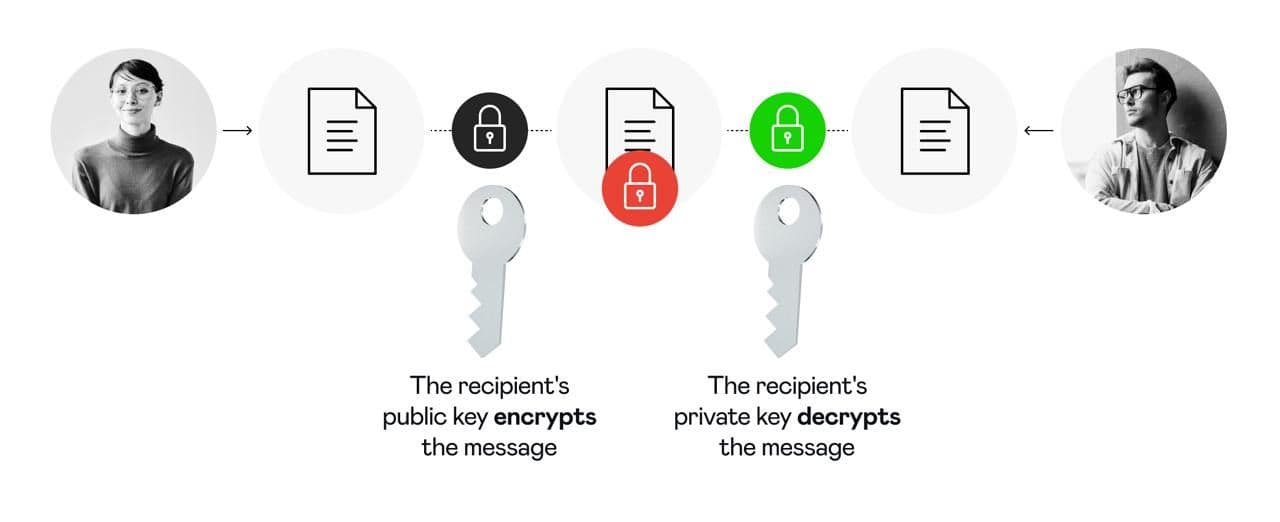
Private keys are the cornerstone of a crypto wallet’s security. They are used to access your cryptocurrencies and authorize transactions. Protecting these keys is fundamental to cryptocurrency security, since anyone who controls the private key controls the funds. These keys must be kept secure and never shared with anyone. Public keys, on the other hand, are used to receive crypto and can be shared freely. The interplay between private and public keys ensures that your cryptocurrencies are secure and that transactions can be conducted safely.
The transaction process in a crypto wallet involves several key steps:
Initiation: The sender starts a transaction by entering the recipient’s public key and the amount of cryptocurrency to be sent.
Generation: The wallet software or device uses the sender’s private key to generate a transaction.
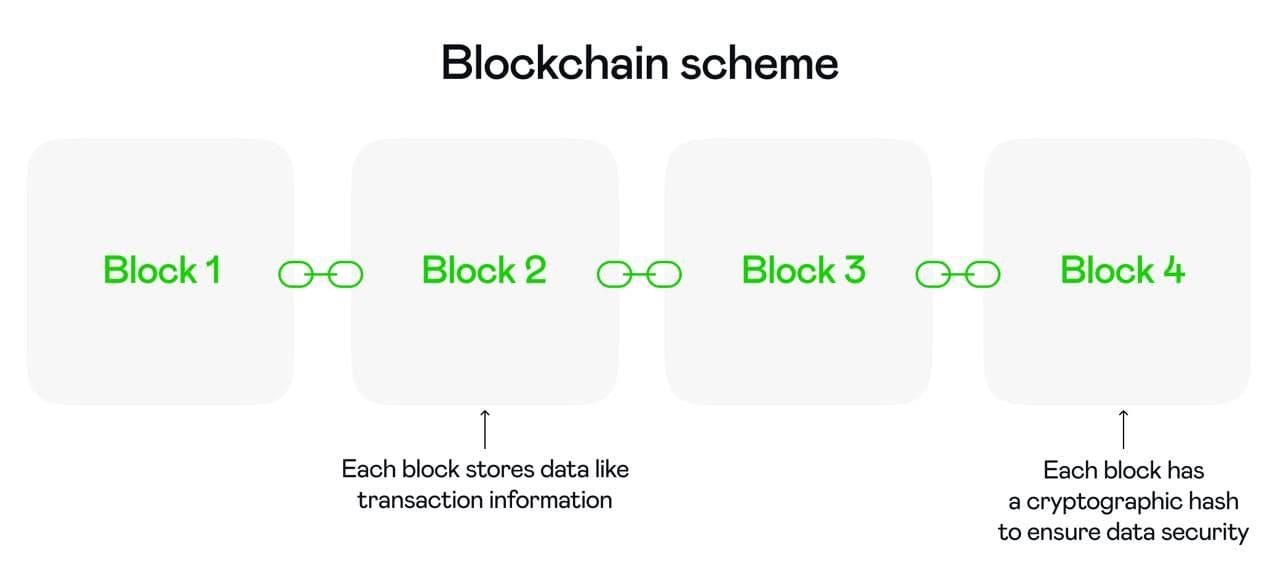
Broadcast: The transaction is broadcast to the blockchain network, where it is picked up by nodes for validation .
Validation: Nodes on the network validate the transaction to ensure its credibility .
Completion: Once validated , the transaction is added to the blockchain, and the recipient’s wallet is updated to reflect the new balance.
The use of private and public keys in a crypto transaction
Understanding how crypto wallets work highlights the importance of securing your private keys and using reliable wallet software to protect your digital assets from unauthorized access.
Types of Crypto Wallets: Hot vs. Cold
Crypto wallets are divided into two main categories: hot wallets and cold wallets. These are based on whether the wallet is connected to the internet. Let’s break down the differences.
Hot Wallets
Hot wallets are connected to the internet and are for active traders and people who need quick access to their cryptocurrency. They also come with risks due to being online. Being always online means hot Hot wallets are always exposed to cyber attacks, phishing, and other digital vulnerabilities. Robust digital security measures are essential to protect against these online threats and ensure the safety of your investments.
Desktop Wallets: These are software you install on your computer. Desktop wallets are more secure than web wallets but can be vulnerable to malware or hacking if your computer is compromised.
Mobile Wallets: Mobile wallets are apps to store and manage your crypto on your smartphone. These are easy to use but can be exposed to malware, SIM card swapping, and theft if your phone is lost or stolen.
Web Wallets: These are accessed via a web browser. They are the most convenient as you can access them on any device with internet. But because they store your private keys online, they are extremely vulnerable to phishing and malware because the private keys are stored online.
Some popular examples of hot wallets used by the public
Hot Wallet Security Risks
Hot wallets are very convenient but come with big risks. These wallets are always “hot” and connected to the internet. Being always online means they are exposed to a range of digital threats that can compromise your funds if not taken care of. Let’s dive into the security risks of hot wallets to understand how they affect hot wallet users and how to mitigate them.
Hacking: The Biggest Threat to Hot Wallets
One of the biggest risks of hot wallets is hacking. When a wallet is online, hackers can try to breach it using different methods such as brute force attacks, exploiting wallet software vulnerabilities or network security loopholes. Attackers may intercept transactions to funnel the funds into their own wallet.
Attackers often target centralized exchanges where wallets are stored in bulk. These exchanges are more vulnerable because of the amount of funds they store and the possibility of weaker security practices. In the case of decentralized hot wallets (like those on mobile devices or desktop apps), users are also at risk if they don’t update their wallet software or if they use a wallet with weak encryption.
Mitigation Strategies for Hacking Risks:
Always update your hot wallet regularly to patch known vulnerabilities.
Use strong passwords and consider using hardware wallets for larger amounts of cryptocurrency.
When using exchanges, check if they offer insurance or guarantees in case of a breach.
Phishing: Deceptive Tactics to Steal Info
Phishing is a very effective way for cybercriminals to trick users into revealing sensitive info such as login credentials, private keys or recovery phrases. For example, an attacker can send an email that looks like an official communication from your wallet provider asking you to reset your password or confirm your account info. The email may include a link to a website that looks exactly like the real one but is actually a fake site to capture your login details. Phishing can also come through social media or messaging apps where attackers pose as customer support asking for your wallet info.
Mitigation Strategies for Phishing Risks:
Always check URLs before entering any sensitive info, especially when logging into your wallet or exchange accounts.
Be wary of unsolicited emails, messages or calls asking for personal info. Legitimate wallet services will never ask for your private keys or recovery phrases.
Use a reputable password manager to store your wallet info securely so you won’t fall into phishing traps.
Malware: The Silent Threat to Your Devices
Malware is another risk for hot wallet users. One of the most common malware that affects crypto wallet users is keyloggers. These programs secretly record every keystroke you make which can include sensitive info like your wallet’s private keys, passwords or recovery phrases. Keyloggers can be installed through seemingly harmless downloads, infected email attachments or links in phishing emails.
Some malware are designed to target specific cryptocurrencies. For example, clipboard hijackers can change the wallet address you copy to send funds to, to the hacker’s wallet address.
Once installed, malware can run in the background undetected so it’s very dangerous for users who are not aware of its presence.
Mitigation Strategies for Malware Risks:
Install antivirus software to detect and remove malicious programs from your devices.
Don’t download software or click on links from unknown sources.
Run full system scans regularly to check for malware and use a firewall to block incoming connections.
Don’t connect your wallet to untrusted or public devices.
Data Breaches: Exposing Sensitive Info
A data breach at the company that provides your hot wallet service or exchange platform can expose sensitive user info including personal info and private keys. Most major cryptocurrency exchanges store private keys for their users on hot wallets and many of these platforms have been hacked in the past. For example, in 2018, the Coincheck exchange was breached and lost around $530 million in cryptocurrency. Although the exchange later reimbursed affected users, many others had their personal info exposed in the breach.
Mitigation Strategies for Data Breach Risks:
Research the security practices of exchanges or hot wallet services before using them. Choose services with a good reputation for keeping user info safe.
If you’re using a hot wallet through a service provider, make sure the service encrypts user data including private keys and has insurance coverage for potential losses.
Limit the amount of cryptocurrency in hot wallets and consider cold storage for long term and large holdings.
Be mindful of the permissions you give to third party apps that have access to your wallet. Review and revoke unnecessary access regularly.
Cold Wallets
Cold wallets are the gold standard when it comes to storing cryptocurrency, they offer the highest level of security for your digital assets unlike hot wallets which are connected to the internet and are therefore vulnerable to online threats. Cold wallets are offline and they provide an extra layer of security by being completely disconnected from hacking attempts, phishing attacks and malware. That’s why cold wallets are called the “Fort Knox” of cryptocurrency storage.
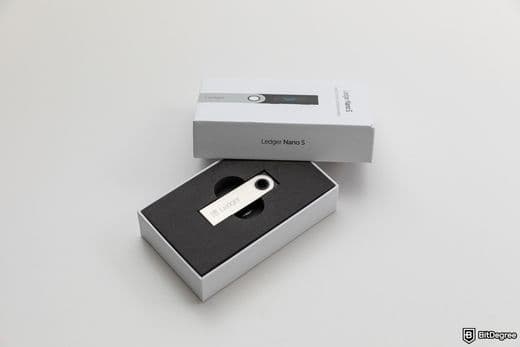
An example of a cold wallet; ledger flex. Source: bitgegree.org
Since cold wallets don’t rely on internet connection, they reduce the chances of unauthorized access. However, like any other form of storage, they are not risk free. While cold wallets are less vulnerable to cyber attacks, they have their own set of challenges and considerations especially on physical security.
Types of Cold Wallets
When it comes to cold wallets, there are two main types: hardware wallets and paper wallets. A cold wallet stores private keys offline, providing enhanced security. Both are offline storage solutions but they have their own features, advantages and disadvantages.
Hardware Wallets: High-Tech Security for Your Private Keys
Hardware wallets are small physical devices designed to store private keys offline. They are one of the most secure forms of cryptocurrency storage because they generate and store your private keys within the device which is completely isolated from the internet. Popular hardware wallets like Ledger, Trezor and KeepKey are used by many cryptocurrency enthusiasts because of their advanced encryption and PIN protection. These devices also have recovery options in case they are lost or damaged so you can still recover your assets without compromise
An example of a cold wallet; aviator wallet which is a slim metal wallet with a key holder
Pros:
More Secure: Hardware wallets are less hackable since they are offline.
User Friendly: Many hardware wallets have intuitive interfaces so even beginners can use them.
Backup Options: Most hardware wallets have a recovery seed phrase so you can recover your wallet in case of loss or damage.
Cons:
Cost: Hardware wallets are not free; they range from $50 to $200 depending on the brand and model.
Physical Security: Since hardware wallets are physical devices they can be lost, stolen or damaged if not stored properly.
Paper Wallets: Offline, Low Cost
A paper wallet is the simplest form of cold storage and is completely offline. Paper wallets are physical documents that contain both your public and private keys written or printed on them. This makes them super secure from online threats like hacking, phishing and malware since they are not connected to any device or network. But while paper wallets are super secure from online attacks, they are highly prone to physical damage or loss. So it’s important to store paper wallets in a secure and fireproof location like a safe or safety deposit box
Low Cost: Paper wallets are free except for the cost of printing.
Offline Storage: Paper wallets are immune to online attacks.
Easy to Create: You can generate and print a paper wallet using bitaddress.org.
Cons:
Physical Loss: Paper wallets can be lost, torn or damaged.
No Recovery Backup: Unless you make multiple copies and store them in different secure locations, losing a paper wallet means losing your cryptocurrency forever.
Benefits of Cold Wallets
Cold wallets have many benefits so it’s a good choice for long term storage.
Offline Protection: Safe from Online Attacks
Since cold wallets are not connected to the internet they have an advantage over hot wallets which are always exposed to hacking attempts, phishing and malware. Without internet connection there’s no way for attackers to remotely access the funds in a cold wallet. So cold wallets are the best option for storing large amount of cryptocurrency that you don’t need immediate access to.
Hot wallets are targeted by cybercriminals, cold wallets eliminate the online threats. That’s why many experts recommend cold wallets for long term storage especially when dealing with big investments.
Long Term Storage
Cold wallets are best for people who plan to hold their cryptocurrency for a long time. Whether you’re an investor or someone who wants to store a big amount of crypto, cold wallets gives you peace of mind knowing your assets are safe from the growing list of online threats. By not needing to access frequently, cold wallets allows you to store your cryptocurrency without the constant worry of it being compromised.
Theft Risk
Theft risk in cold wallets is very low because of its offline nature. Without internet connection it’s almost impossible for hackers to access the private keys in cold storage. And cold wallets can be backed up with recovery phrases which can restore access to your funds if the wallet is lost or damaged.
Cons of Cold Wallets
While cold wallets are one of the safest way to store your cryptocurrency, they have some disadvantages and challenges that you need to consider.
Inconvenience: Accessing Funds Takes Time
One of the biggest disadvantages of cold wallets is the inconvenience. Unlike hot wallets where you can send and receive cryptocurrency anytime, cold wallets require physical access to the device or paper wallet. So whenever you need to access your funds you need to physically retrieve your cold wallet whether it’s a hardware wallet or a piece of paper.
Physical Damage or Loss
Cold wallets are prone to physical damage or loss, especially paper wallets. If your hardware wallet is dropped, submerged in water or exposed to extreme heat it can be damaged beyond repair. Paper wallets are very fragile and can be destroyed or lost and you’ll lose your crypto forever.
How to Store Cryptocurrency
Storing your crypto wallet is more than just choosing the right wallet. You need to follow some best practices to secure your wallet. Here are some basic tips to keep your assets safe.
Use Strong and Unique Passwords
Your strong password is the first layer of defense against unauthorized access to your crypto wallet. Always use a strong and unique password that includes letters (upper and lowercase), numbers and special characters. A password manager can help you generate and store complex passwords for all your accounts so you won’t use weak or repeated passwords.
Pro Tip: Enable password recovery options and make sure your password manager is 2FA enabled.
2-Factor Authentication (2FA)
2FA is one of the simplest and most effective ways to add an extra layer of security to your wallet. This authentication method requires two forms of identification to access your wallet: something you know (your password) and something you have (a device to receive an authentication code, like your smartphone).
How to 2FA:
Use apps like Google Authenticator or Authy to generate time-based codes.
Never use SMS-based 2FA if possible because your SIM can be cloned. Instead use authentication apps that generate codes offline.
Store and Keep Your Recovery Phrase Safe
Your recovery phrase (also known as seed phrase) is the master key to your crypto wallet. Losing your recovery phrase means you will lose access to your crypto assets forever.
Best Practices:
Write it down: Always write your recovery phrase on paper and store it in a safe and offline location like a safe or safety deposit box.
Never store it digitally: Never save your recovery phrase on your computer or online, they can be hacked.
Keep it in multiple locations: You may want to keep copies of your recovery phrase in multiple safe locations to minimize the risk of losing it.
Update Your Wallet Software Regularly
Updating your wallet software is important to protect your assets. Software updates usually includes security patches for newly discovered vulnerabilities.
Automatic Updates: Enable automatic updates for your wallet and associated software so you’ll always be using the latest and most secure version.
Never Use Public Wi-Fi
When accessing your crypto wallet, always use a private and secure network. Public Wi-Fi is insecure and exposes you to big risks, data theft and man-in-the-middle attacks.
Use a VPN: Always connect to a Virtual Private Network (VPN) when accessing your wallet over the internet, especially on public networks.
Risks of Storing Cryptocurrency: What to Know
Despite all the security measures you take, storing cryptocurrency carries risks. Knowing these risks will help you minimize the losses.
Phishing
Phishing is a big threat in the crypto world. Scammers send fraudulent messages or create fake websites to trick users into revealing their private keys, passwords or recovery phrases.
How to Protect Against Phishing:
Always check the URL before entering sensitive information.
Be cautious when receiving unsolicited emails or messages asking you to log in to your crypto wallet or exchange.
Malware and Viruses
Malicious software, including viruses and keyloggers can be used to steal private keys, change wallet addresses during transactions or monitor your online activities. Always use antivirus software and do regular system scans to detect any threats.
Precautions:
Install antivirus software from a reputable source.
Never download files or open attachments from unknown sources.
Hacks and Data Breaches
Cryptocurrency exchanges and hot wallets are the favorite targets of hackers. In 2022, the total value of stolen cryptocurrency was $3.8 billion, that’s why security practices are a must.
To Protect Yourself:
Use cold storage for large amount of crypto that you don’t need to access often.
Choose exchanges with a good history of handling security breaches responsibly, like reimbursing users for lost funds.
Choosing a Secure Crypto Exchange
Choosing the right exchange is key to the safety of your cryptocurrency. When choosing an exchange, look for:
Two-Factor Authentication (2FA): Make sure the exchange has 2FA.
Cold Storage: Choose exchanges that store most of their cryptocurrency in cold storage not hot wallets.
Insurance: Some exchanges offer insurance in case of a hack, which can be an additional layer of protection.
Conclusion
Securing your crypto wallet is important to protect your digital assets from theft and cyber attacks. By following best practices, using secure wallets and being aware of the risks and vulnerabilities in the crypto space, you can minimize the risk of losing your assets.
Remember, no security is 100% reliable , but a combination of cold storage, strong passwords, 2FA and being always on the lookout will go a long way in keeping your crypto safe. Always be proactive and never stop learning about new threats and latest security practices to keep your crypto investments safe.
FAQs
What is the safest way to store my cryptocurrency?
Cold wallets like hardware or paper wallets are the safest way to store your cryptocurrency since they are not connected to the internet.
Can I use hot wallets for daily transactions?
Yes, hot wallets are good for daily transactions but make sure they are protected with strong passwords and 2FA.
How do I recover my wallet if I lose my recovery phrase?
If you lose your recovery phrase, there’s no way to recover your wallet. Store your recovery phrase in a secure offline location.
How can I protect my crypto wallet from phishing?
Always be cautious of unsolicited emails or messages, check the URL and never share your private keys or recovery phrases.
Can I use public Wi-Fi for crypto transactions?
No, public Wi-Fi is not safe and risky. Use a VPN or avoid using public Wi-Fi for cryptocurrency.
Why is private key security critical in crypto?
Private key security is at the core of protecting digital assets. If someone gains access to your private key, they control your funds. Always store keys offline, avoid screenshots or cloud storage, and use hardware wallets or secure vaults to minimize crypto security risks.
How can users prevent crypto wallet hacks?
To avoid crypto wallet hacks, use strong passwords, two-factor authentication, and never share seed phrases. Cold storage crypto options like hardware wallets are the most secure, as they are not connected to the internet and are immune to most online threats.
A crypto wallet is essential because it stores your private keys and enables secure transactions on the blockchain. Without a wallet, you can’t access, send, or receive cryptocurrencies. It acts like your digital bank account, providing a secure interface to manage your assets. Different wallet types (hot or cold) offer varying levels of convenience and security. Choosing a reliable wallet is the first step in protecting your funds from hacking, phishing, and unauthorized access in the ever-evolving crypto landscape.
A private key is a secret cryptographic code that grants full access to your crypto wallet and funds. If someone gets hold of your private key, they can steal all your assets instantly. Unlike passwords, private keys cannot be reset or recovered once compromised. That’s why it’s critical to store them offline, never share them with anyone, and avoid saving them digitally. Your private key is the single most important element in protecting your digital wealth.
Phishing is a cyberattack where scammers impersonate trusted sources to trick you into revealing your wallet credentials or private keys. These attacks often come via fake emails, websites, or social media messages that look legitimate. Once you enter your data, attackers can access and drain your wallet. To prevent phishing, always verify URLs, avoid clicking suspicious links, and remember—no legitimate service will ever ask for your private key or recovery phrase.
A cold wallet stores your private keys offline, making it immune to online threats like hacking, malware, and phishing attacks. It’s ideal for long-term holders and investors who don’t need frequent access to their assets. Popular cold wallets include hardware devices and paper wallets, both offering high levels of protection. While less convenient than hot wallets, the security benefits of cold storage far outweigh the drawbacks for serious crypto investors.