Efficient USDT Purchasing: A Guide to Platforms for Swift Transactions
It’s a Friday night and I’m trying to transfer funds between crypto exchanges. My phone is buzzing with price alerts, transaction fees are eating my lunch and I’m drowning in a sea of complicated trading platforms. One wrong click could cost me hundreds. Sound familiar? 💸🤯
That’s when I realized not all cryptocurrency platforms are created equal. Some are like Swiss Army knives – versatile and precise – while others feel like trying to perform surgery with a butter knife. After months of trial and error (and more than a few expensive mistakes) I found the holy grail of crypto transactions: The best platforms to buy and trade USDT.
This is the guide I wish I had when I first started – a no-nonsense breakdown of the absolute best platforms for buying USDT. I’m talking about a full comparison that goes beyond the marketing hype. I’ll break down fees that won’t make your wallet cry, highlight platforms with lightning fast transactions and expose the hidden gems that most traders don’t know about.
Whether you're a crypto newbie looking to dip your toes into stablecoins or a seasoned trader hunting for the most efficient transaction platforms, you're in the right place. 🚀💡
What is Tether (USDT): Your Stable Digital Asset in the Crypto Ecosystem
Before we get started let me share a quick reality check. Traditional cryptocurrencies are like emotional teenagers – unpredictable and prone to dramatic mood swings. USDT? It’s the responsible adult in the crypto family.
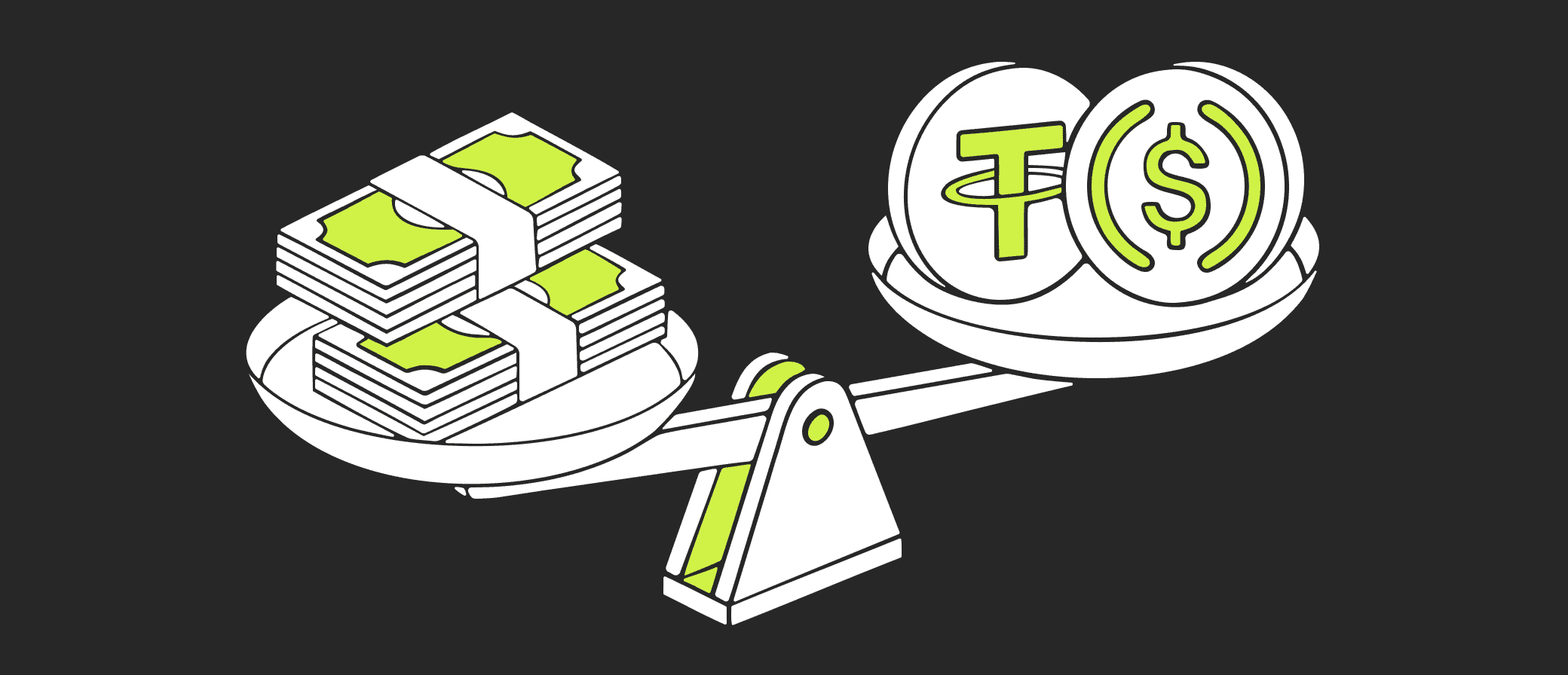
Unlike traditional cryptocurrencies with high market capitalization that fluctuate dramatically, USDT is pegged to the US dollar, offering stability in an otherwise unpredictable market. Each USDT in circulation is claimed to be backed by equivalent reserves in cash or cash equivalents.
Key advantages of USDT to other digital assets include:
Stability: Maintains a consistent value close to $1
High Liquidity: Over $110 billion in circulation
Cross-Platform Utility: Available on multiple blockchains (Ethereum, Tron, Solana)
Where to Buy USDT: Top Platforms
Picture this: me, hunched over my laptop at 2 AM, frantically comparing platforms like I was solving a math puzzle. Each exchange felt like a potential landmine of fees and hidden complexities. 🕵️♀️💻 I discovered that choosing a crypto platform is like dating – you want something reliable, with low fees, and minimal drama. Let me walk you through the options that won't break your heart (or your wallet).
When deciding where to buy USDT, you'll encounter three main types of platforms: centralized exchanges (CEXs), decentralized exchanges (DEXs), and peer-to-peer (P2P) marketplaces. Each has its pros and cons, depending on your needs.
Centralized Exchanges (CEXs)
In essence, they could be described as the Tinder of cryptocurrency – simple to navigate, but take caution when deciding who to swipe right on. Centralized exchanges seems to be the most accessible choice for users, particularly novices. They enable the trading of USDT for fiat currency (USD, EUR) and provide customer service, which makes them a trusted option. Consider some of the most popular ones as listed below:
Binance
Founded in 2017, Binance has grown into the world's largest cryptocurrency exchange by trading volume. It supports over 500 cryptocurrencies and offers multiple ways to buy USDT, including credit/debit cards, bank transfers, and P2P trading.
Pros:
Low trading fees (0.1% per transaction)
High liquidity for quick transactions
Supports a wide range of payment methods
Cons:
Regulatory scrutiny in some countries
Interface can be overwhelming for beginners
Coinbase
Coinbase is one of the most beginner-friendly exchanges, particularly for users in the United States. It supports Apple Pay and Google Pay, making instant purchases convenient.
Pros:
Simple, intuitive interface
Strong security measures (including insurance)
Instant purchases with credit cards or mobile payments
Cons:
Higher fees compared to competitors (up to 3.99% for credit card purchases)
Limited selection of altcoins
Kraken
Kraken has built a reputation for robust security and regulatory compliance since its launch in 2011. It's an excellent choice for those who prioritize safety and low fees.
Pros:
Highly secure with a strong regulatory standing
Competitive fees for bank transfers
Advanced trading features for professionals
Cons:
Verification process can be slow
User interface may feel complex to newcomers
Crypto.com
Crypto.com has gained popularity for its Visa debit card that offers cash back rewards in cryptocurrency. The platform supports a wide range of stable digital assets, including USDT, and provides an easy-to-use mobile app.
Pros:
Attractive rewards program with their crypto debit card
Supports Apple Pay and Google Pay for instant purchases
User-friendly mobile app
Cons:
Higher spread fees compared to competitors
Limited advanced trading features
KuCoin
KuCoin is known for small trades, making it a favorite among privacy-conscious users. It offers a vast selection of altcoins and competitive trading fees.
Pros:
No mandatory KYC for small transactions
Extensive selection of cryptocurrencies
Low trading fees
Cons:
Lower liquidity compared to Binance or Kraken
Customer support can be slow
Bybit
Bybit is primarily known for derivatives trading but also supports spot trading for USDT. It's a great choice for traders looking for leverage options.
Pros:
Excellent platform for futures and margin trading
Low withdrawal fees
Intuitive interface
Cons:
Limited fiat currency support
Not ideal for beginners
OKX
OKX is a global exchange with strong liquidity and a wide range of trading pairs. It's particularly popular among professional traders.
Pros:
Competitive trading fees
Supports P2P trading
High liquidity
Cons:
Banned in some countries
Verification process can be lengthy
Gemini
Gemini is one of the most regulated exchanges in the U.S., offering a high level of security and insurance for user funds.
Pros:
Fully compliant with U.S. regulations
Insured hot wallet for added security
Simple interface for beginners
Cons:
Higher fees compared to other exchanges
Limited selection of altcoins
Volet.com
Founded in 2014, Volet.com is a money transfer service that uses blockchain technology to provide fast, low-cost international transactions. It was created by a team of fintech and blockchain specialists who recognized how cryptocurrencies could simplify cross-border payments without requiring users to navigate complicated crypto processes.
Key Features:
Support for 150+ countries
20+ fiat currencies to withdraw
Instant P2P transfers
They offer cards in countries where nothing similar is currently available
Pros:
An older, mature service compared to the many others
Free instant P2P (for personal accounts)
They've recently started introducing additional products—cashback, gift cards, vouchers, a swapper, and new crypto wallets
Cons:
Thorough verification process
The cards are not accessible in every region
No crypto card tying directly to a user's crypto balance
Decentralized Exchanges (DEXs)
Centralized exchanges were the training wheels of my crypto journey. Each platform was like a different personality I had to understand. If you prefer privacy and control over your funds, decentralized exchanges allow you to swap other cryptocurrencies for USDT without KYC verification.
Uniswap (Ethereum Network)
My first Uniswap transaction was a total chaos. Gas fees higher than my anxiety levels, tokens dancing around like digital fireflies. But the thrill? Absolutely unmatched. Trading directly from my wallet felt like I was a crypto superhero. 🦸♀️
Uniswap is the leading DEX for ERC-20 tokens, including Ethereum-based USDT. It operates on an automated market maker (AMM) model, allowing users to trade directly from their wallets without intermediaries.
Pros:
No account registration required
Supports a vast array of DeFi tokens
High liquidity for major pairs
Cons:
High gas fees during Ethereum network congestion
Slippage can be an issue for large trades
PancakeSwap (Binance Smart Chain)
PancakeSwap was my budget-friendly crypto playground. Lower fees, faster transactions – it was like finding a secret menu item that's both delicious and cheap. 🥞
PancakeSwap offers a cheaper alternative to Uniswap, operating on the Binance Smart Chain (BSC). It’s known for its low transaction fees and fast processing times.
Pros:
Significantly lower fees compared to Ethereum-based DEXs
Fast transaction speeds
Large liquidity pools
Cons:
Less decentralized than Ethereum-based DEXs
Limited token selection compared to Uniswap
Peer-to-Peer (P2P) Marketplaces
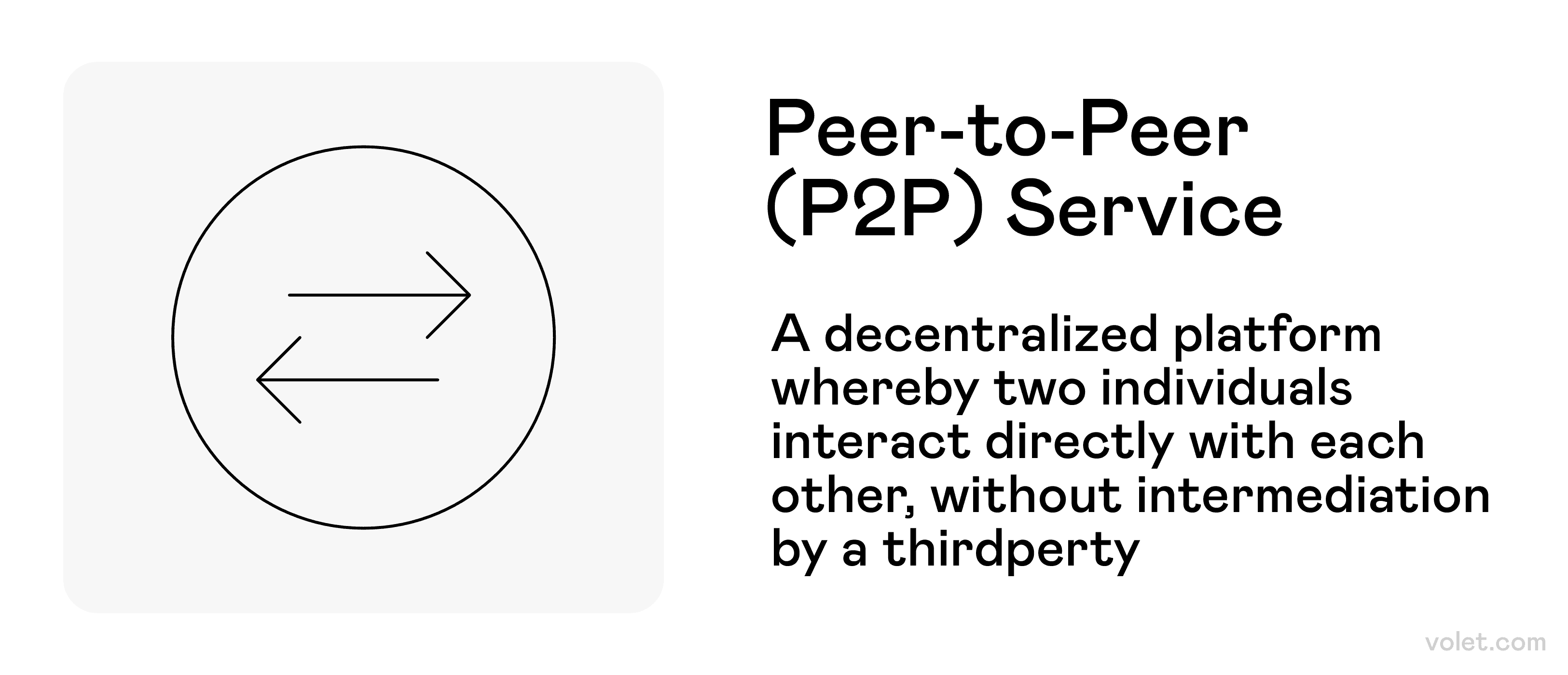
Imagine trading crypto like you're making a black market deal, but totally legal. That's P2P marketplaces for you! P2P platforms connect buyers and sellers directly, offering flexibility in payment methods, including cash and gift cards.
LocalBitcoins
Once focused solely on Bitcoin, LocalBitcoins now facilitates USDT trades with escrow protection.
Anyone who tells you crypto is 100% safe is selling you something. Trust me, I've got the metaphorical and literal scars to prove it. Two-factor authentication became my new best friend after a close call that still makes me break out in a cold sweat. 🥶
Potential Risks
Tether's reserve backing controversies
Regulatory uncertainty
Platform security vulnerabilities
Security Best Practices
Use two-factor authentication
Store large amounts in secure hardware wallets
Regularly monitor account activity
Keep private keys confidential
Conclusion 💡
After spending countless hours and more than a few dollars testing platforms, here's the bottom line: finding the right platform to buy tether directly is like finding the perfect pair of shoes – it's personal, but there are some clear winners.
Binance stands out for sheer versatility. Low fees (0.1%), massive liquidity, and support for over 500 cryptocurrencies make it a powerhouse. For pure beginners, Coinbase takes the crown with its user-friendly interface and instant purchases. But if security is your top priority? Kraken and Gemini are your go-to platforms.
Budget-conscious traders, listen up. KuCoin offers no mandatory KYC for small trades and competitive fees. Crypto.com throws in a bonus with its cash back rewards program. Each platform is a tool, and the best one depends on your specific needs.
Quick transaction speed? Volet.com and Binance shine. Lowest fees? Look at KuCoin and Binance. Maximum security? Gemini and Kraken won't disappoint.
The crypto world moves fast. What worked yesterday might be obsolete tomorrow. Stay informed, compare platforms regularly, and never invest more than you can afford to lose. Your perfect USDT platform is out there – you just need to do your homework. 🚀💸
While generally stable, always conduct thorough research on current market conditions and Tether's backing.
Fees vary. Binance and KuCoin often have competitive rates but always compare current pricing.
Most regulated exchanges require KYC. Decentralized platforms offer more privacy.
Instant on most centralized exchanges, minutes to hours on P2P platforms.
Most platforms allow purchases from $10-$50, making it accessible for various investment levels.
USDT can be bought on crypto exchanges, wallets, P2P platforms, or services that support card, bank, or fiat balance purchases.
The best method depends on fees, payment options, supported networks, verification requirements, and whether the user wants to hold USDT in a wallet or exchange account.
Yes. Many platforms allow users to buy USDT with fiat through cards, bank transfers, wallet balances, or local payment methods, depending on region and provider.
Disclaimer
This article is for informational purposes only and does not constitute financial advice. Cryptocurrency investments carry risks—always conduct your own research before trading.