As cryptocurrency continues to reshape how we exchange value, Tether (USDT) has emerged as a leading solution for those seeking stability in the volatile crypto market. This article will walk you through everything you need to know about using USDT for your transactions. Whether you're looking to accept USDT payments, pay with USDT, or simply understand how it all works, this guide is tailored just for you.
What Is USDT and Why Should You Care?
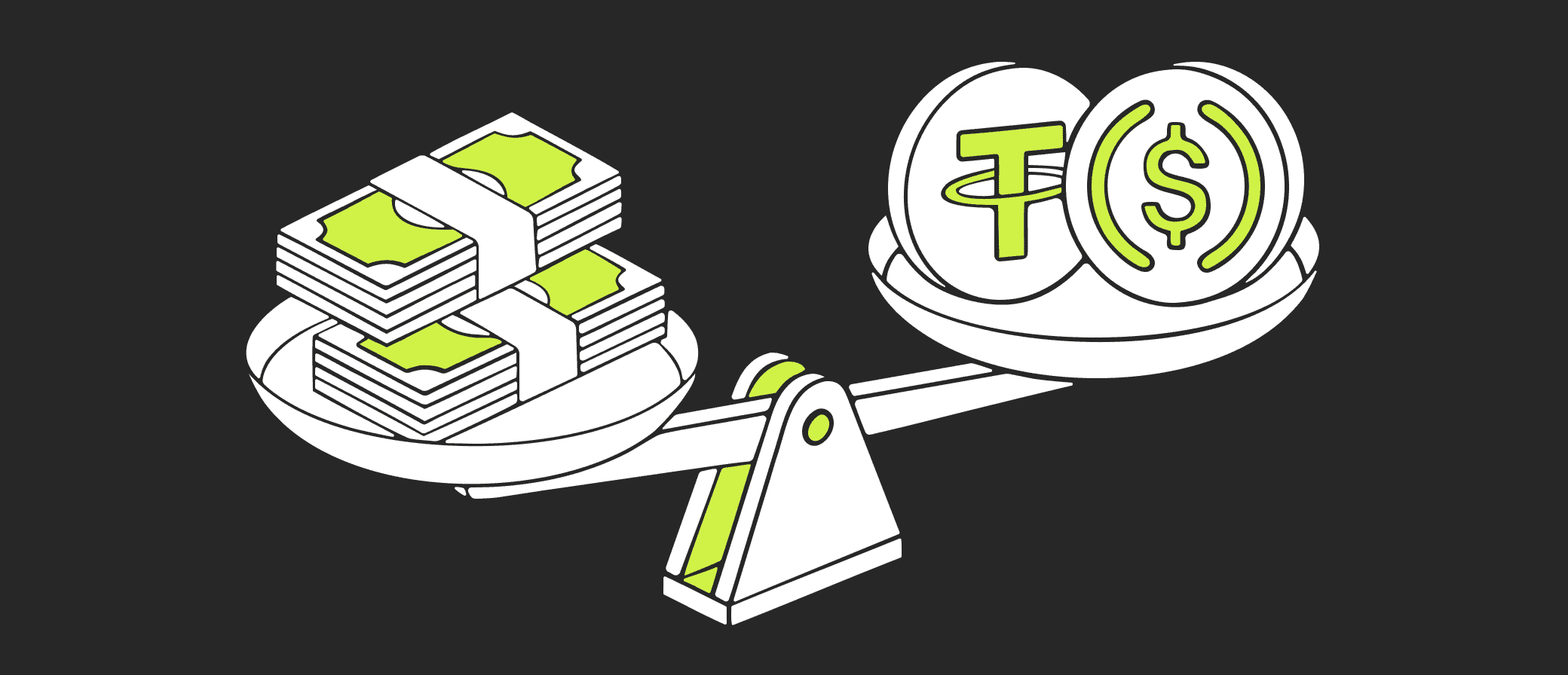
Tether (USDT) is a type of cryptocurrency known as a stablecoin. Unlike Bitcoin or Ethereum, which experience significant price fluctuations, USDT maintains a stable value by being pegged to the US dollar at a 1:1 ratio. This consistent value makes it an ideal payment method for those who want the benefits of cryptocurrency without the volatility.
As the largest stablecoin by market capitalization, USDT has become widely accepted across the digital currency ecosystem. Its stability and widespread adoption make it particularly valuable for cross-border transactions where traditional banking systems might be slow or expensive.
Benefits of Using USDT for Payments
Choosing USDT as a payment option offers several distinct advantages:
- Stability: Unlike other cryptocurrencies, USDT's peg to the US dollar protects against value fluctuations.
- Global Accessibility: Works across geographical boundaries, ideal for cross-border transactions without delays and fees associated with international wire transfers.
- Lower Fees: Particularly for international transfers, with transaction costs often under $1 regardless of the amount.
- Transaction Speed: USDT transactions typically confirm within minutes, compared to days for traditional bank transfers.
- Financial Privacy: Greater privacy than credit card payments or bank transfers, without sharing sensitive banking information.
- 24/7 Operation: The USDT network functions continuously, allowing transactions at any time, any day.
- Integration Flexibility: Compatible with various payment systems and methods, allowing for diverse implementation options.
- Programmable Transactions: Can be used with smart contracts for automated, condition-based payments.
USDT Networks and Wallet Options
Before making payments with USDT, understanding the infrastructure is essential:
Blockchain Networks and Address Formats
USDT operates on multiple blockchain networks, each with different characteristics:
TRC-20 (TRON):
- Low transaction fees and fast transfers
- Addresses start with "T..."
- Ideal for smaller, frequent transactions
- Most cost-effective for everyday use
ERC-20 (Ethereum):
- High security but higher fees
- Addresses start with "0x..."
- Better for high-value transactions where security is paramount
- Widely supported across various platforms and exchanges
BEP-20 (Binance Smart Chain):
- Lower fees compared to ERC-20 but limited compatibility
- Also starts with "0x..."
- Good middle-ground option
- Particularly useful for those already in the Binance ecosystem
Wallet Options
The security of your Tether depends largely on your preferred wallet:
Mobile & Web Wallets:
- Trust Wallet, MetaMask, Tether wallet, and Binance Wallet
- Convenient for everyday transactions
- Offer good balance between accessibility and security
- Often include integrated exchanges for swapping tokens
Hardware Wallets (Most Secure):
- Ledger Nano X, Trezor
- Keep private keys offline, protected from internet-based threats
- Essential for storing significant amounts
- Provide physical security elements like PIN protection and encryption
Exchange Wallets (For Trading):
- Binance, Coinbase, Kraken
- Convenient but less secure for long-term storage
- Protected by exchange security measures
- Subject to exchange policies and potential downtime
For long-term storage, hardware wallets are recommended instead of leaving funds on exchanges, which could be vulnerable to hacks or company insolvency.
USDT Payment Methods
When it comes to making a USDT payment, you have several options:
- Direct Wallet Transfers: The most straightforward peer-to-peer approach eliminates intermediaries, resulting in lower fees and faster processing times.
- Crypto Debit Cards: Several providers like Crypto.com and Wirex offer cards that allow you to spend your USDT for everyday purchases at merchants accepting traditional cards, automatically converting to local fiat currency at the point of sale.
- Mobile Payment Apps: Many cryptocurrency platforms, such as Coinbase and Binance, integrate with popular services like Apple Pay and Google Pay, allowing you to use your USDT holdings for quick mobile payments.
- QR Code Payments: For in-person transactions, many wallets like Tether wallet support QR code scanning for instant USDT transfers – simply scan and confirm the transaction details.
- Payment Gateways: Businesses can implement specialized solutions like CoinPayments or NOWPayments to seamlessly accept USDT payments on their websites or applications, bridging traditional payment methods with cryptocurrency.
- Exchange Platforms: If you need to exchange Tether for other digital or fiat currencies, cryptocurrency exchanges provide marketplaces where you can trade your USDT.
- Smart Contract Payments: For more complex arrangements, programmable smart contracts can facilitate automatic USDT payments when certain conditions are met, creating trustless transaction systems.
How to Make Payments Using USDT
How to send USDT securely starts with following a systematic process designed for security and efficiency:
Step 1: Preparation
Before initiating a payment, ensure you have:
- A compatible USDT wallet installed and funded
- The correct network selected that matches the recipient's wallet
- Sufficient balance to cover both the payment and network fees
Step 2: Transaction Process
Get the Recipient's Address: Obtain the complete wallet address for the correct blockchain network. Never rely on partial addresses or assumptions.
Enter Transaction Details:
- Paste the recipient's address (never type it manually)
- Select the blockchain network (ERC-20, TRC-20, or BEP-20)
- Enter the amount of USDT to send
- Review the network fee and adjust if necessary
- Double-check all details before proceeding
Confirm & Send:
- Click "Send" or "Confirm"
- Enter 2FA (Two-Factor Authentication) code if required
- The transaction will be processed within minutes depending on network congestion
- Save the transaction hash (TxID) for tracking and verification purposes
Verify the Transaction:
- Both sender and recipient should check the status using the TxID on blockchain explorers like Etherscan (ERC-20), Tronscan (TRC-20), or BscScan (BEP-20).
Common Transaction Issues and Solutions
- Stuck Transactions: If a transaction is delayed, it may be due to low network congestion or fee. Some wallets allow fee boosting for pending transactions.
- Wrong Network: If USDT is sent on the wrong network, recovery may be possible through exchange support but isn't guaranteed.
- Failed Transaction: If a transaction fails, funds typically return to your wallet (minus any network fees) within 24 hours.
Acquiring and Storing USDT
Before making or receiving cryptocurrency payments, you'll need to:
- Buy USDT: Purchase from reputable exchanges like Binance or Coinbase through bank transfer, credit card, or by exchanging other cryptocurrencies.
- Complete Verification: Most exchanges require identity verification (KYC) for significant purchases to comply with regulatory requirements.
- Transfer Strategy: Consider these factors when moving your USDT:
- Transaction fees vary significantly between networks
- Processing times differ based on network congestion
- Exchanges may limit withdrawal amounts or frequencies
- Security Considerations:
- Never leave large amounts on exchanges long-term
- Test new crypto wallets or platforms with small amounts first
- Maintain backup access methods for all storage solutions
- Consider multi-signature wallets for institutional storage
- Tax Implications: In many jurisdictions, acquiring or trading USDT may have tax consequences. Maintain records of all transactions for compliance purposes.
Best Security Practices for USDT Payments
Since blockchain transactions are irreversible, implementing robust security measures is critical:
Address Verification:
- Always double-check the recipient's wallet address before sending.
- Verify the first and last few characters manually.
- Use address book features when available to save verified addresses.
- Implement whitelist policies for business transactions.
Anti-Scam Measures:
- Download crypto wallet apps only from official sources or app stores.
- Verify website URLs before entering credentials (look for HTTPS and correct domain).
- Research new platforms thoroughly before depositing funds.
- Remain skeptical of unsolicited offers or investment opportunities.
- Be aware that legitimate companies never ask for private keys or seed phrases.
Technical Security Enhancements:
- Enable Two-Factor Authentication (2FA) on all exchanges and wallets.
- Use authenticator apps rather than SMS-based 2FA to prevent SIM swapping attacks.
- Create unique, strong passwords for each cryptocurrency service.
- Use a dedicated device for high-value transactions if possible.
- Keep all software, wallets, and operating systems updated with security patches.
- Consider using a VPN when making cryptocurrency transactions, especially on public networks.
Recovery Preparation:
- Never store private keys or recovery phrases digitally unless properly encrypted.
- Write recovery phrases on durable materials and store them in secure locations.
- Consider fireproof and waterproof storage solutions for backup materials.
- Test recovery procedures periodically to ensure they work as expected.
- For institutional holdings, implement multi-person authorization protocols.
Tether Payment Gateway
If you're a merchant looking to accept Tether as a payment option, implementing a USDT payment gateway is essential. These specialized systems allow businesses to seamlessly process cryptocurrency transactions alongside traditional methods.
Here's what you need to know about USDT payment gateways:
- Integration Options: Many popular e-commerce platforms like WooCommerce and Shopify now offer plugins or extensions that make it simple to accept and buy USDT payments without extensive technical knowledge.
- Processing Times: Unlike credit card payments which may take days to settle, USDT transactions typically confirm within minutes, improving your cash flow.
- Multi-Currency Support: The best gateways don't just support USDT but also handle other cryptocurrencies, giving your customers more flexibility.
- Security Features: Look for gateways that implement robust security measures like two-factor authentication and encrypted connections to protect both you and your customers.
- Fee Structures: Most gateways charge significantly lower fees compared to traditional credit card processors, typically ranging from 0.5% to 1% per transaction.
- Settlement Options: Advanced gateways allow you to choose whether to keep crypto payments in USDT or automatically convert to your local fiat currency and deposit to your bank account.
- Mobile Payment Apps: Many cryptocurrency platforms like Coinbase and Binance integrate with popular services like Apple Pay and Google Pay, allowing you to use your USDT holdings for quick mobile payments.
Closing Thoughts
As digital payment solutions continue to evolve, USDT stands out as a bridge between traditional currencies and the cryptocurrency ecosystem. Its stability, global accessibility, and growing acceptance make it an increasingly practical option for both individuals and businesses looking to streamline their payment processes. While adopting any cryptocurrency requires a learning curve, the key benefits of USDT—particularly for international transactions—often outweigh the initial setup effort. By following the security practices outlined in this guide and starting with smaller transactions, you can confidently incorporate USDT into your payment strategy and take advantage of this powerful financial tool.
Frequently Asked Questions
Is USDT the same as the US dollar?
No, it's a digital asset issued by Tether Limited that aims to maintain a 1:1 value with USD through asset reserves.
What are the main advantages of using USDT over other cryptocurrencies?
Price stability, wide acceptance, and lower volatility, making it practical for everyday transactions.
Can I use USDT for international payments?
Yes, this is one of USDT's strongest use cases, eliminating delays and fees of traditional transfers while maintaining value stability.
How can my business start accepting USDT payments?
Implement a payment gateway like CoinPayments that integrates with your checkout system, allowing customers to pay with USDT while giving you options for settlement.
Is it safe to hold large amounts of USDT?
While generally secure, best practices suggest diversifying large holdings and using hardware wallets. Unlike bank deposits, cryptocurrencies aren't typically covered by government insurance programs like FDIC.
What is USDT used for in payments?
USDT is a stablecoin used for payments, trading, and transfers because it maintains a value close to the US dollar.
Which networks support USDT transfers?
USDT operates on several networks including TRC20, ERC20, and BEP20.
Are USDT payments fast?
Yes. Depending on the network, USDT payments can be completed within seconds or minutes.
Disclaimer
This article is provided for informational purposes only and does not constitute legal, financial, or professional advice. All content is based on publicly available information and personal opinions. Readers are advised to seek professional guidance before making any decisions or taking any actions based upon the material presented. The author and publisher assume no liability for any actions taken or not taken by the reader based on the information contained herein.