Explore the benefits and risks of virtual money, plus practical uses to enhance your financial journey. Dive into the world of digital currency today!
The notification pinged on my phone at 2 AM. A transaction of virtual currency completed in seconds, crossing continents without a single traditional bank involved. My heart raced with the realization that something profound was happening in the world of digital money and global transactions of digital currency and decentralized virtual currencies.
I remember my grandfather's stories about trading goods, counting physical currency, waiting days for international transfers. Now, here I was, watching value move at the speed of light, unbound by traditional financial barriers. Virtual money isn't just a passing trend—it's a revolutionary approach to how we exchange value in the digital age. Let me walk you through the fascinating world of virtual currencies, exploring their evolution, technologies, and potential to reshape global financial transactions across various countries and financial institutions. Shall we?
What Exactly is Virtual Money?
Picture this: a lazy Sunday afternoon, scrolling through your phone, when a notification pops up about a digital representation of value that happens in milliseconds. Virtual money is a digital currency that exists primarily in electronic form, representing a comprehensive digital representation of value. Unlike physical currency, it operates through digital platforms, allowing for secure and often instantaneous transactions across global networks with reduced transaction costs.
The Evolution of Virtual Money
Imagine being a time traveler, witnessing the transformation of money from heavy coins to weightless digital tokens. The concept of virtual currency isn't entirely new. Its roots can be traced back to the late 20th century, with early digital payment systems and online transaction platforms. However, the real breakthrough came in 2009 with Bitcoin, which demonstrated the potential of decentralized virtual currencies and open virtual currencies in the digital financial ecosystem.
Types of Virtual Currencies: Exploring the Digital Ecosystem
I'll never forget the day my tech-savvy cousin showed me how different digital currencies could be. It was like discovering a financial multiverse, where money wasn't just a uniform concept, but a dynamic, shape-shifting entity of digital money and virtual representations. Virtual currencies aren't a one-size-fits-all concept. They come in various forms, each with unique characteristics:
Closed Virtual Currencies: Ecosystem-Specific Digital Money
During a late-night gaming session, I realized something fascinating. The in-game coins I'd been collecting weren't just pixels—they were my first introduction to a micro-economy of digital value within gaming systems.
These controlled virtual currencies exist within specific gaming systems, where users earn and spend digital credits in regulated environments. They represent a microcosm of how digital exchanges can function in controlled monetary platforms with specific virtual currency mechanisms.
Open Virtual Currencies: Bridging Digital and Real Currency
A friend once joked that cryptocurrencies are like international travelers—they don't care about borders; they just move freely and adapt quickly. These convertible virtual currencies possess real-world value and can be exchanged for fiat currency. Cryptocurrencies like Bitcoin exemplify open virtual currencies that have captured significant market attention and market capitalization.
Decentralized Virtual Currencies: A New Financial Paradigm
My economics professor once challenged us: "What if money could exist without a single point of control?" Little did I know then how prophetic that question would become in the world of decentralized currency. Unlike traditional currencies controlled by central banks, decentralized virtual currencies operate on distributed systems like blockchain technology. This means no central authority has complete control, providing unprecedented transparency and security in business transactions and digital exchanges.
Technologies Powering Virtual Currencies
I remember debugging my first blockchain project, realizing these weren't just lines of code, but the building blocks of a financial revolution in digital technology.
Modern digital currencies rely on sophisticated technologies:
Cryptographic encryption techniques
Distributed ledger technologies
Advanced network protocols
Complex mathematical algorithms
These technologies ensure that each transaction is secure, transparent, and virtually impossible to manipulate in the digital form of currency exchanges.
Blockchain Technology: The Backbone of Modern Virtual Currencies
During a tech conference, a developer demonstrated blockchain's potential by showing how a transparent, immutable ledger could solve trust issues in mere seconds.
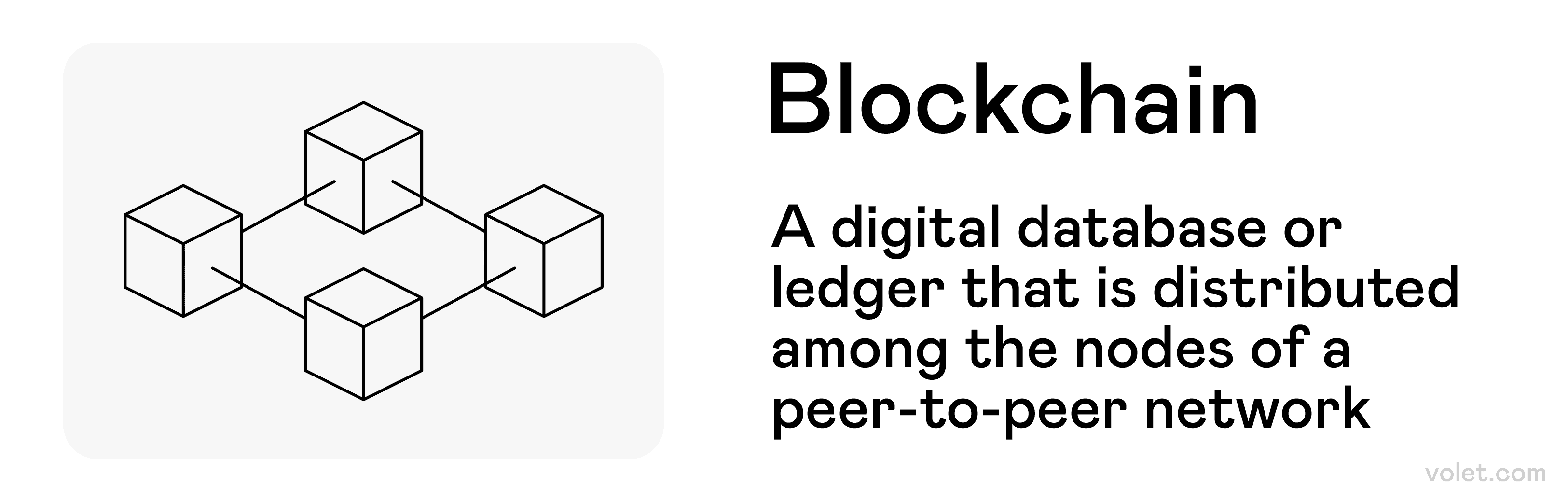
Blockchain technology represents a groundbreaking distributed system that ensures transaction security and transparency. Each transaction is encrypted and recorded across multiple nodes in a network, making it nearly impossible to alter or manipulate digital currency transactions.
Central Bank and Regulatory Landscape of Digital Currencies
A dinner conversation with a central bank economist revealed the complex dance of innovation and regulation in the digital currency world.
Financial institutions are increasingly exploring digital currency integration. Central banks worldwide are investigating how to incorporate these new technologies into existing monetary frameworks, recognizing the potential for transformative financial innovations and comprehensive regulation.
Legal Status and Challenges
While cryptocurrencies like Bitcoin have gained significant market capitalization, their legal tender status remains complex. Not all countries recognize them as official currency, which creates interesting challenges for businesses and individual users.
The European Union has been actively developing comprehensive regulation for digital currencies. Different countries exhibit varied approaches:
Full embrace of digital money
Cautious regulatory stances
Strict control mechanisms
Advantages and Disadvantages of Virtual Currencies
virtual currencies are like Swiss Army knives of finance—versatile, powerful, but not without their potential risks. Just as a cutting-edge tool can both solve problems and require careful handling, digital currencies represent a new frontier of financial possibility.
Pros of Digital Currency:
Reduced transaction costs
Faster international payments
Enhanced security
Improved financial access in various countries
Potential Drawbacks:
Price volatility
Regulatory uncertainty
Cybersecurity risks
Limited widespread adoption of digital money
Applications Across Industries
Virtual currencies are transforming multiple sectors by enabling faster, cheaper, and more transparent transactions. Key applications include:
Financial Services: Transforming Traditional Banking
Virtual currencies are dramatically reshaping financial services through innovative solutions:
Decentralized Finance (DeFi) Platforms
Aave: A leading DeFi protocol allowing users to lend and borrow cryptocurrencies without traditional intermediaries
Compound Finance: Enabling crypto-based lending with algorithmic interest rates
Total Value Locked (TVL) in DeFi exceeded $50 billion in 2023, demonstrating massive market potential
Digital Banking Integration
Revolut: Offers cryptocurrency trading alongside traditional banking services
PayPal's crypto integration, allowing users to buy, hold, and sell digital currencies directly through their platform
Visa and Mastercard developing crypto-linked payment cards
International Trade: Breaking Down Financial Barriers
Virtual currencies are revolutionizing global trade transactions:
Cross-Border Payment Solutions
Ripple: Provides blockchain-based international payment solutions for financial institutions
SWIFT alternative with faster, more cost-effective international transfers
Reduced transaction costs by up to 60% compared to traditional international banking methods
Supply Chain Transparency
VeChain: Blockchain technology tracking product authenticity and origin
IBM Blockchain Platform: Enabling transparent, traceable international trade transactions
Reduced fraud and improved accountability in global trade networks
Technology innovation
Digital currencies are driving technological innovation:
Blockchain Startup Funding
Initial Coin Offerings (ICOs) and Token Sales
Ethereum's smart contract platform enabling decentralized application (dApp) development
Venture capital investments in blockchain startups reached $16.1 billion in 2022
Cloud Computing and Distributed Technologies
Filecoin: Decentralized storage solutions using blockchain
Golem: Creating a global, decentralized supercomputer using blockchain technology
Reducing centralized infrastructure costs and improving data security
Gaming and Entertainment: Virtual Economies Reimagined
Virtual currencies are transforming digital entertainment:
In-Game Economies
Axie Infinity: Play-to-earn blockchain game with its own cryptocurrency
Decentraland: Virtual world where users can buy, sell, and trade virtual real estate using MANA cryptocurrency
Estimated blockchain gaming market to reach $65.7 billion by 2027
Digital Content Monetization
Brave Browser: Cryptocurrency-based reward system for content creators
NFT platforms like OpenSea enabling digital artists to monetize unique digital assets
Musicians and creators receiving direct payments through blockchain technologies
Cross-Border Payments: Efficient Global Transactions
Virtual currencies are simplifying international money transfers:
I remember sitting with my grandfather in his study, surrounded by old stock certificates and faded international bank notes—relics of a financial world rapidly becoming obsolete. He looked at my smartphone, where I was managing investments across three continents with a few taps, and chuckled. "In my day," he said, "money was something you could hold, something physical and predictable."
That moment crystallized everything for me. Here was a man who had witnessed the transformation from gold standards to paper money, now watching his grandson navigate a financial universe he could barely imagine. The digital currency revolution isn't just about technology—it's about human adaptability, about our endless capacity to reimagine the fundamental ways we exchange value and trust.
We stand at a watershed moment in finance, much like the internet's early days—once dismissed, now indispensable. Digital currencies are reshaping how the world creates and exchanges value, with blockchain evolving from a crypto novelty to a transformative force across industries, from supply chains to healthcare.
Central banks are now all-in, with China and Sweden leading the charge in piloting national digital currencies. Meanwhile, AI and quantum computing loom large—enhancing security, scalability, and smart financial tools. The coming years will erase the line between traditional and digital finance, as institutions and tech giants build the infrastructure for seamless integration.
This isn’t just about faster payments. It’s a fundamental rewiring of global economics—borderless, transparent, and inclusive. DeFi is already bringing financial access to the unbanked, proving that money, like information, wants to flow freely. The future isn’t approaching; it’s here.
Closing Thoughts: Navigating the Digital Financial Horizon
As we continue using digital currencies, I can't help but think about my own journey. When I first heard about virtual money, they seemed like a distant, complex concept. Now, they're as real and transformative as the smartphone in my hand.
We're standing at the edge of a financial frontier, much like explorers once stood at the brink of undiscovered continents. The digital currency landscape is not just about technology—it's about reimagining value, trust, and economic interaction.
Your journey with virtual money is unique. Whether you're a curious newcomer or a seasoned digital finance enthusiast, the key is continuous learning and strategic adaptation. The future of money is digital, decentralized, and increasingly personalized. It's not just about adopting new technologies, but understanding how these innovations can empower your financial decisions.
Disclaimer
This article is provided for informational purposes only and does not constitute legal, financial, or professional advice about virtual currencies, digital money, or cryptocurrency exchanges. All content is based on publicly available information and personal opinions regarding digital currency and its implications.
Frequently Asked Questions
When proper security measures are implemented, virtual money can be very secure. Always use trusted platforms and maintain strong digital security practices in digital transactions.
Many open virtual currencies can be exchanged for traditional fiat currencies through cryptocurrency exchanges, providing equivalent value across different monetary systems.
You'll typically need a digital wallet and access to online platforms that support virtual currency transactions and secure digital exchanges.
Legal status varies by country. Always check local regulations before engaging with virtual currencies and digital representations of value.
Begin by researching, understanding market dynamics, and starting with small, manageable investments in digital money and cryptocurrency platforms.