Key Takeaways
- E-wallets increase the ease and security of financial transactions, supporting a cashless society through features like encryption and biometric authentication.
- Leading e-wallets, such as Apple Pay, Google Pay, and Samsung Wallet, offer smooth integration with devices, multiple payment options, and strong security, making them popular choices.
- Digital wallets, including PayPal, Cash App, and Venmo, cater to various transaction needs, from peer-to-peer payments to international transfers, with a focus on low fees and user-friendly interfaces.
Understanding E-Wallets
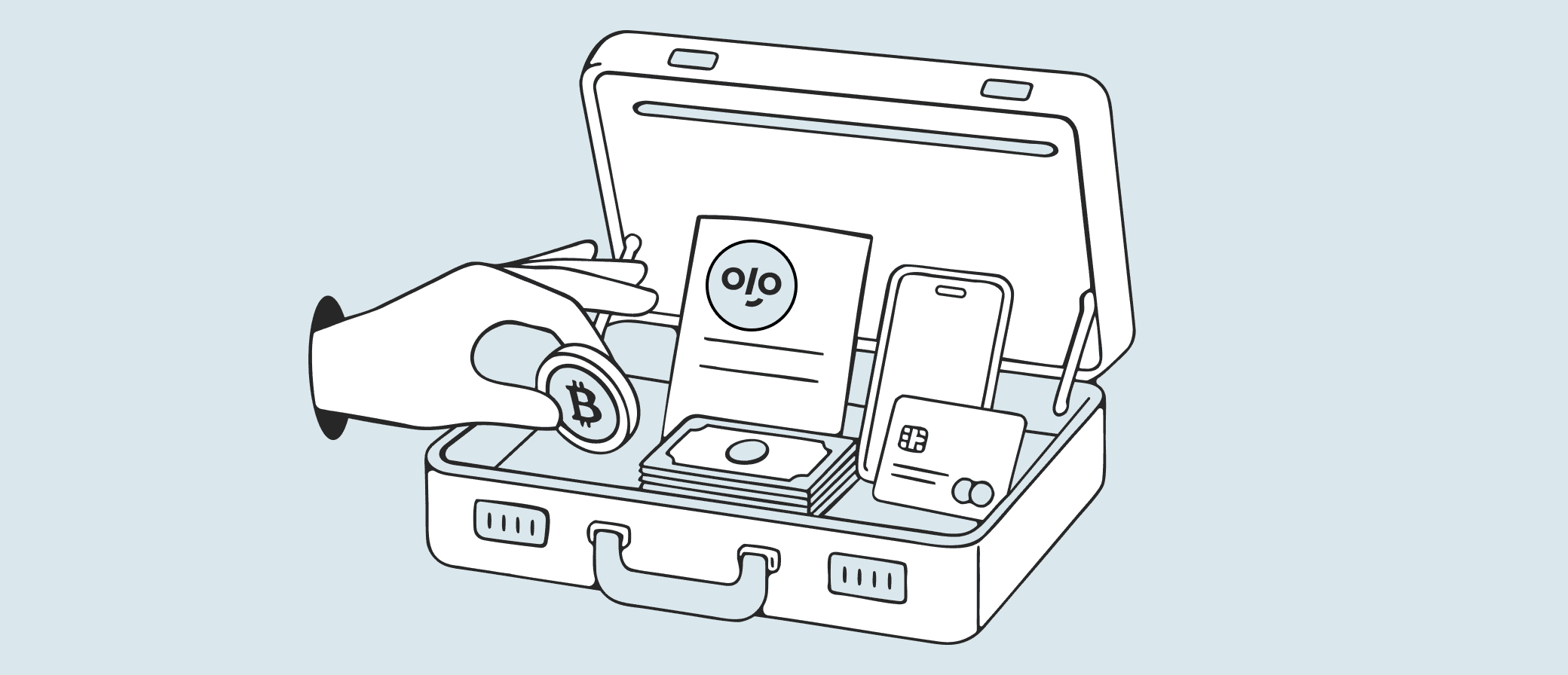
Digital wallets, or e-wallets, are applications that securely store payment information, simplifying financial transactions. They enable contactless payments with stored cards and tickets, manage funds, and facilitate on-the-go transactions, offering both convenience and efficiency. With advanced encryption and biometric authentication, digital wallets ensure secure digital payments, significantly contributing to the move towards a cashless society. Using a digital wallet app can further enhance these capabilities.
Furthermore, digital wallets help users manage their finances more effectively by tracking spending and viewing receipts. Whether for online purchases, money transfers, or managing multiple currencies, digital wallets provide a versatile solution. As we embrace a digital lifestyle, understanding how these tools work and their benefits becomes increasingly important.
Apple Pay
Apple Pay is a leading digital wallet and payment service from Apple, seamlessly integrated into the Wallet app on iOS devices. It supports contactless payments in stores, online, and within apps using NFC technology, enabling quick and secure transactions.
With a Secure Element chip for encrypted card information storage, Apple Pay ensures user data remains private and secure. It is widely accepted at many retailers and supports transactions through over 1,700 banks and credit unions across the U.S.
Key Features of Apple Pay
Apple Pay works effortlessly with iPhones, iPads, Apple Watches, and Macs, providing a smooth user experience across all Apple devices. The system supports fast and easy contactless payments, completing transactions in seconds. Additionally, Apple Pay uses tokenization to protect card details during transactions and employs biometric authentication through Touch ID or Face ID for enhanced security.
Another notable feature is the ability to set up payment methods for family members and add loyalty cards, which can be used to earn and redeem points and discounts. This makes online shopping and in-app purchases more convenient and rewarding. The integration with Apple Watch also allows users to make payments directly from their wrist, adding to the convenience and flexibility of Apple Pay.
Apple Pay supports multiple payment methods and offers strong security features, making it one of the most popular mobile wallets available. Its integration with other Apple devices and services further enhances its functionality and user experience.
Pros:
- Apple Pay offers the advantage of rapid and efficient transactions, often completed in seconds. Its wide acceptance at supermarkets, restaurants, gas stations, and other businesses, as well as its ability to handle payments in foreign currencies without conversion, makes it a versatile and convenient option.
- Apple prioritizes user privacy; transactions made with Apple Pay are not linked to the user’s Apple ID, ensuring anonymity. Purchase history remains private, further enhancing user security.
- These features, combined with its seamless integration with Apple devices, make Apple Pay a top choice for digital payments.
Cons:
- Limited to Apple Device Users: Apple Pay's primary drawback is its exclusivity. Users must own an iPhone, iPad, Apple Watch, or Mac to utilize its features, excluding a significant portion of the market.
- Reliance on NFC Technology: While NFC is becoming more widespread, there are still merchants and locations that do not support it, limiting Apple Pay's usability in some situations.
- Potential for Dependence on Apple Ecosystem: Heavy reliance on the Apple ecosystem can create a feeling of being locked in, limiting user choice.
Google Pay
Google Pay is a robust digital wallet designed for Android users, facilitating smooth transactions on Android devices. It integrates closely with other Google services, such as Google Maps and Google Assistant, enhancing its usability and making it a versatile option for various transactions, including international payments.
Google Pay prioritizes secure transactions, protecting users’ financial information.
Key Features of Google Pay
Google Pay supports contactless payments for both in-store and online purchases, providing a fast and efficient payment process. Users can make payments by simply unlocking their phone and holding it near a terminal, streamlining the process. The integration with Google Wallet allows users to send and receive money directly from the app, facilitating peer-to-peer transactions.
Google Pay also supports storing multiple payment methods and loyalty cards, simplifying financial management and earning rewards. Users can earn rewards for eligible purchases and referrals, adding an incentive to use the app. This feature enhances the overall user experience, making Google Pay a comprehensive digital wallet.
Google Pay integrates smoothly with other Google services, providing a cohesive user experience across different platforms. This integration, combined with its strong security features and support for various payment methods, makes Google Pay one of the most popular digital wallets.
Pros:
- Google Pay’s broad acceptance adds to its convenience. Google Pay uses advanced security measures, such as tokenization and biometric authentication, to keep personal data safe, ensuring secure transactions. Users have control over their transaction data and can manage their privacy settings within the app, providing a sense of security and control.
- The smooth integration with other Google services, combined with its user-friendly interface and strong security features, makes Google Pay a highly advantageous digital wallet. Whether for online purchases, peer-to-peer transactions, or managing multiple payment methods, Google Pay offers a comprehensive solution.
Cons:
- Primarily Designed for Android Users: While Google Pay can be used on some iOS devices, its functionality is optimized for Android, which can lead to a less seamless experience on other platforms.
- Feature Variability by Region: Some features, such as peer-to-peer payments or specific loyalty program integrations, may not be available in all regions, leading to inconsistent user experiences.
- Privacy Concerns Related to Google Ecosystem: As part of the broader Google ecosystem, some users may have concerns about data collection and privacy, given Google's extensive tracking practices.
Samsung Wallet
Samsung Wallet is an innovative digital wallet that combines Samsung Pay and Samsung Pass, providing a unified platform for managing digital keys, boarding passes, ID cards, and loyalty cards. It is compatible with Samsung Galaxy phones and watches, offering a smooth experience for Galaxy device owners.
Samsung Pay offers secure and convenient payment options exclusively for Samsung devices.
Key Features of Samsung Wallet
Accessing Samsung Wallet is simple and convenient; users can swipe the screen, tap the icon, or double-tap the side key to open the app. The app provides access to rewards and offers from various merchants, enhancing the user experience. Samsung Wallet supports various digital keys, allowing users to unlock doors and access vehicles via their devices, adding extra convenience.
The combination of Samsung Pay and Samsung Pass into a single platform makes Samsung Wallet a comprehensive digital wallet designed for Samsung devices. This integration enhances the user experience by providing a seamless way to manage digital assets and perform transactions.
Pros:
- Samsung Wallet enables convenient storage and management of tickets and boarding passes, all in one place, simplifying travel and event management. Users can also add digital keys for homes and cars, allowing remote access through the app, enhancing convenience and security.
- The focus on managing various digital assets, combined with strong security features and smooth integration with Samsung devices, makes Samsung Wallet a highly advantageous choice for Galaxy users.
- Whether for managing digital keys, accessing rewards, or storing tickets, Samsung Wallet provides a comprehensive solution.
Cons:
- Exclusive to Samsung Devices: Like Apple Pay, Samsung Wallet is limited to Samsung Galaxy devices, restricting its use to a specific brand's customers.
- Feature Availability Dependent on Galaxy Model: Not all Samsung Wallet features are available on every Galaxy device. Older or lower-end models may lack certain functionalities, creating inconsistencies.
- Dependence on Samsung Ecosystem: Users become more reliant on the Samsung ecosystem.
PayPal
PayPal is a leading digital wallet and online payment platform, known for its ease of use and wide acceptance. It supports various transactions, including international money transfers and online purchases, making it a versatile option for both personal and business use.
As an independent company since 2015, PayPal continues to be a popular choice for digital pay
Key Features of PayPal
PayPal allows users to send and receive money globally with low fees, making it an economical choice for international transactions. The platform features a user-friendly interface that simplifies online transactions, making it accessible to a wide range of users. Whether for personal use or business transactions, PayPal provides a reliable and efficient payment process.
The ability to handle various types of transactions, combined with its user-friendly interface and low fees, makes PayPal a top choice for digital payments. Its wide acceptance and robust security features further enhance its appeal.
Pros:
- PayPal’s competitive foreign currency transaction fees, often lower than those of traditional banks, are a key benefit. This makes PayPal a convenient choice for cross-border transactions. Additionally, PayPal offers purchase protection, ensuring refunds for eligible transactions that do not meet expectations, further enhancing user trust.
- The ability to send and receive money internationally, combined with competitive fees and purchase protection, makes PayPal a reliable and secure digital wallet. Its support for various transactions and user-friendly interface further adds to its appeal.
Cons:
- Potential for Account Holds or Freezes: PayPal is known to sometimes place holds or freezes on accounts due to security concerns or regulatory requirements, which can disrupt access to funds.
- Fees for Certain Transactions: While basic transactions are often free, PayPal charges fees for certain services, such as currency conversions, instant transfers, or business transactions.
- Customer Service Issues: Some users have reported challenges with PayPal's customer service, including long wait times and difficulty resolving disputes.
Cash App
Cash App is a popular platform that enables users to send and receive money instantly, making it a convenient choice for peer-to-peer transactions. It is primarily used for paying bills, making purchases, and transferring money quickly.
With its user-friendly interface and instant transfers, Cash App has become a favorite.
Key Features of Cash App
Cash App offers a debit card called Cash Card, which allows users to make purchases directly from their Cash App balance. Additionally, users can invest in stocks and trade Bitcoin directly through the app, providing a unique investment option. The ability to send and receive money instantly through peer-to-peer transactions enhances its appeal.
Pros:
- One of the main benefits of Cash App is the ability to send and receive money instantly, providing quick and efficient transactions. The platform also uses high-level security measures, including encryption and offline storage, ensuring user data is protected.
- Setting up an account on Cash App is simple and user-friendly, promoting ease of use.
- The combination of instant transfers, strong security measures, and ease of use makes Cash App a highly beneficial digital wallet. Its user-friendly interface and additional features, like investment options, further enhance its appeal.
Cons:
- Potential Security Risks: As a peer-to-peer payment app, Cash App can be vulnerable to scams and fraudulent activities if users are not cautious.
- Limited Customer Support: While Cash App offers support, it may not be as comprehensive as traditional banks, and resolving complex issues can be challenging.
- Reliance on Mobile Devices: Cash App's functionality is heavily reliant on mobile devices and internet connectivity, which can be a limitation in some situations.
Revolut
Revolut is known for its innovative banking solutions, offering a comprehensive range of financial services to over 35 million customers globally. With competitive currency exchange rates and advanced budgeting tools, Revolut provides an efficient way to manage finances.
Its versatility and global reach make it a popular choice for those seeking a modern digital wallet.
Key Features of Revolut
Revolut allows users to create multiple currency accounts, enabling them to spend and save in various currencies seamlessly. This feature is particularly beneficial for international travelers and those dealing with multiple currencies regularly. Additionally, Revolut supports over 200 cryptocurrencies for trading, offering a diverse range of investment options.
The platform’s support for multiple currencies and cryptocurrencies, combined with its competitive exchange rates, makes Revolut a versatile digital wallet. These features cater to a wide range of financial needs, from daily transactions to investment opportunities.
Pros:
- Fee-free international transfers up to a certain limit during weekdays, making it an economical choice.
- Advanced budgeting tools, allowing users to create ‘Pockets’ for different financial goals.
- An AI-driven tool to notify users of potentially fraudulent transactions.
- With features like fee-free international transfers, advanced budgeting tools, and real-time spending insights, Revolut provides a comprehensive financial management solution. Its innovative approach to banking and additional perks, like cashback options on travel bookings, make it a top choice.
Cons:
- Fees for Exceeding Limits or Weekend Transactions: While Revolut offers many free services, exceeding certain limits or performing transactions on weekends can incur fees.
- Reliance on Internet Connectivity: As a digital-first banking platform, Revolut requires a stable internet connection for most transactions, which can be a limitation in areas with poor connectivity.
- Potential for Account Freezes: Like other digital financial services, Revolut may freeze accounts due to security concerns or regulatory requirements.
Skrill
Skrill is a versatile digital wallet that facilitates online payments, bill payments, and cryptocurrency trading. Known for its user-friendly app and low transaction fees, Skrill offers a convenient solution for both personal and business use.
Its focus on security and versatility makes it a popular choice.
Key Features of Skrill
Skrill provides a prepaid Mastercard that allows users to withdraw cash and make purchases easily, adding to its convenience. The platform also offers low transaction fees, making it an economical choice. Additionally, Skrill supports various services, including international money transfers, prepaid cards, and cryptocurrency trading.
The combination of a prepaid Mastercard, low transaction fees, and support for multiple services makes Skrill a versatile digital wallet.
Pros:
- One of the key benefits of using Skrill is its low fees, making it cost-effective. The platform is also beneficial for international travelers, cryptocurrency enthusiasts, and those seeking to simplify online payments. Skrill is well-regulated and prioritizes security.
- Additionally, Skrill offers 24/7 customer support through various channels, providing reliable assistance. These benefits, combined with its low fees and security measures, make Skrill a highly advantageous digital wallet.
Cons:
- Variable Fees: Skrill's fees can vary significantly depending on the type of transaction, which can make it difficult to predict costs.
- Account Verification Requirements: Skrill may require extensive account verification, which can be time-consuming and inconvenient.
- Limited Physical Presence: As an online-only platform, Skrill lacks a physical presence, which can be a disadvantage for users who prefer face-to-face interactions.
Venmo
Venmo, a social payment app owned by PayPal, is primarily used for sending and receiving money instantly. With a user base of approximately 65 million people, Venmo combines social networking with payment functionalities.
Its ease of use and social features make it a popular choice.
Key Features of Venmo
Venmo includes a social feed for transactions, allowing users to view and comment on their friends’ payment activity. This feature combines social networking with payment functionalities. Users can share transaction histories, enhancing social interactions and transparency.
The ability to link bank accounts facilitates seamless money transfers, adding to the convenience.
Pros:
- Venmo’s ability to comment on and like transaction posts makes financial interactions more engaging. Users can also view their friends’ transactions, adding a social element. This social aspect sets Venmo apart.
- Additionally, Venmo allows for quick and easy money transfers, with low transaction fees.
Cons:
- Privacy Concerns: Venmo's social feed can raise privacy concerns, as transactions are often visible to friends and other users.
- Primarily for Domestic Transactions: Venmo is primarily designed for domestic (U.S.) transactions, limiting its usefulness for international payments.
- Potential for Scams: Like other peer-to-peer payment apps, Venmo is vulnerable to scams and fraudulent activities.
Zelle
Zelle is a digital wallet used for sending and receiving money between U.S. bank accounts, with over 80% of adults in the U.S. having access to it through their financial institutions. Its integration with existing banking apps makes it convenient. As of 2024, it has reached 151 million enrolled users and processed over $1 trillion in transactions, reflecting its widespread adoption.
Zelle's integration with over 2,200 financial institutions, including community banks and credit unions, enhances its accessibility and convenience for a vast majority of U.S. adults.
Zelle uses encryption to protect payment information.
Key Features of Zelle
Money transfers with Zelle typically occur in minutes, providing quick access to funds. Users can send money using just the recipient’s email address or phone number.
Pros:
- One of the primary advantages of using Zelle is its instant transaction processing. Zelle transactions are typically processed without additional fees.
- The app is free to use.
Cons:
- Limited to U.S. Bank Accounts: Zelle is only available for transfers between U.S. bank accounts, excluding international transactions.
- Irreversible Transactions: Zelle transactions are typically irreversible, which means that sending money to the wrong person can result in a permanent loss.
- Requirement for Participating Bank Account: Users must have a bank account with a participating financial institution to use Zelle.
Volet.com
If you’re looking for a secure, multi-functional crypto wallet that also serves as a payment solution, Volet.com is a great choice. It goes beyond standard crypto wallets by allowing you to store, send, receive, and trade digital assets while also offering prepaid cards and e-wallets for daily financial transactions.
Key Features of Volet.com
Unlike many other wallets, Volet.com integrates cryptocurrency storage with fiat payment solutions, meaning you can manage your crypto alongside your traditional financial assets. It supports multiple cryptocurrencies, including Bitcoin (BTC), Ethereum (ETH), Tron (TRX), Litecoin (LTC), Toncoin (TON), USD Coin (USDC), and Tether (USDT).
Pros:
- Supports multiple cryptocurrencies, including Bitcoin, Ethereum, and stablecoins
- Integrated payment solutions, allowing you to buy, sell, and spend crypto
- Instant and fee-free transactions between Volet.com users
- Multi-functional platform with prepaid cards and e-wallets
Cons:
- Not available for U.S. citizens or residents
- Limited selection of supported cryptocurrencies compared to other multi-chain wallets
Summary
In conclusion, the landscape of digital wallets in 2026 offers a wide range of options to suit different needs. From the strong security of Apple Pay and Google Pay to the innovative banking solutions of Revolut and Skrill, there is a digital wallet for everyone. PayPal’s ease of use, Cash App’s instant transfers, and Venmo’s social features further diversify the choices. Samsung Wallet’s integration with Galaxy devices and Zelle’s quick, fee-free transactions complete the list.
Choosing the right digital wallet depends on your specific needs. Consider the features and benefits that align with your financial goals and lifestyle. Embrace the convenience and security of digital wallets.
Frequently Asked Questions
What is a digital wallet?
A digital wallet is an application that securely stores payment details, facilitating easier and safer financial transactions.
How does Apple Pay ensure security?
Apple Pay uses a Secure Element chip for encrypted card information storage and biometric authentication.
Can Google Pay be used internationally?
Yes, Google Pay can be used internationally.
What are the primary features of Cash App?
The primary features include instant money transfers, a linked debit card, and investment opportunities.
How does Zelle integrate with banking apps?
Zelle integrates with banking apps of participating financial institutions, enabling direct transactions