Learn About TRC20 Transaction Costs Before Sending USDT
Learn about TRC20 fees and what to consider before sending USDT. Get the essential insights you need to make informed transactions. Read the article now!
When you're looking to transfer USDT (Tether), understanding the TRC20 USDT transaction fee can make a significant difference to your bottom line.
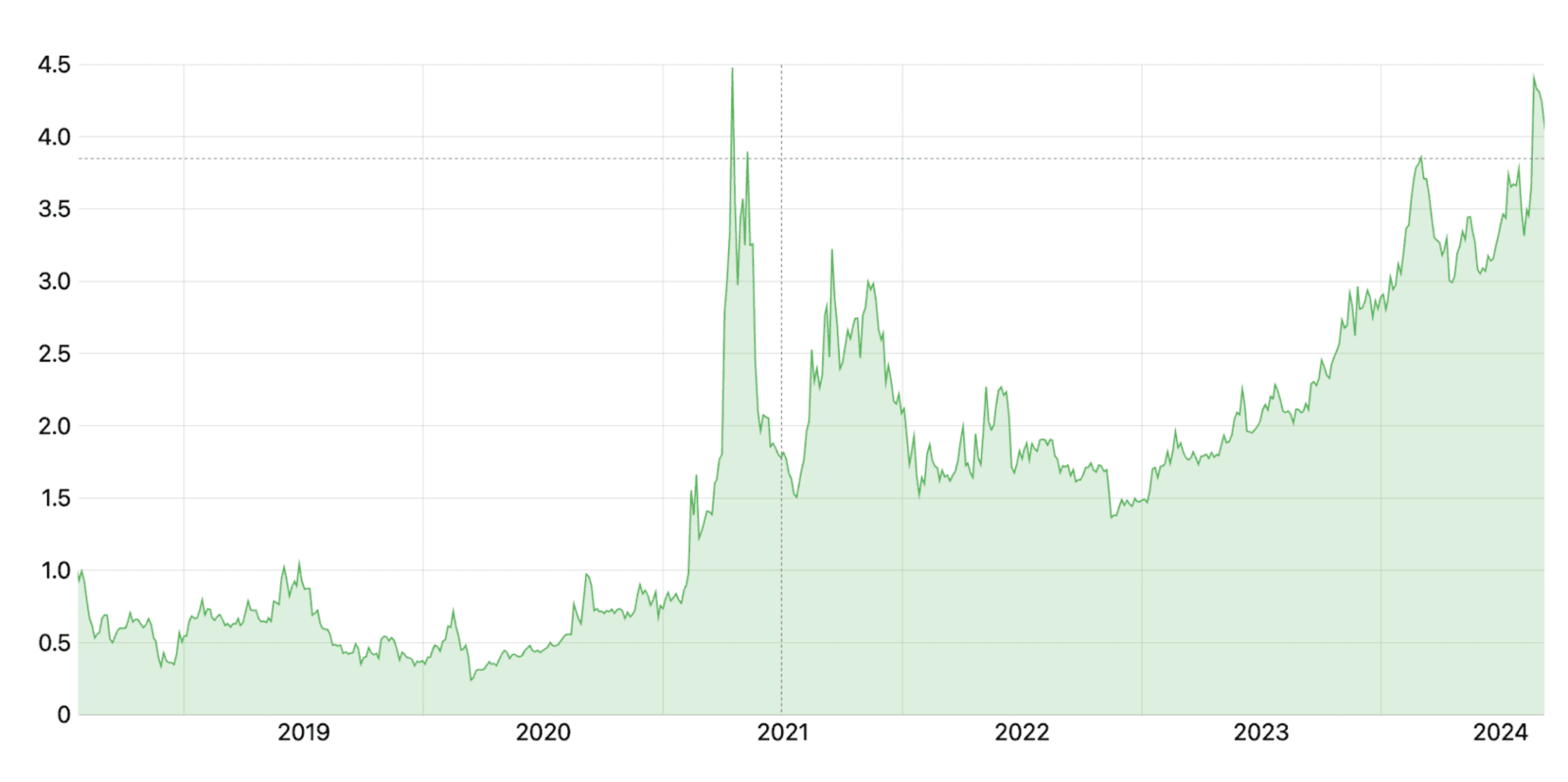
History of Tron USDT TRC20 gas fees, by day.
The TRC20 network has gained popularity specifically because of its efficiency and lower USDT TRC20 transfer fee costs compared to alternatives.
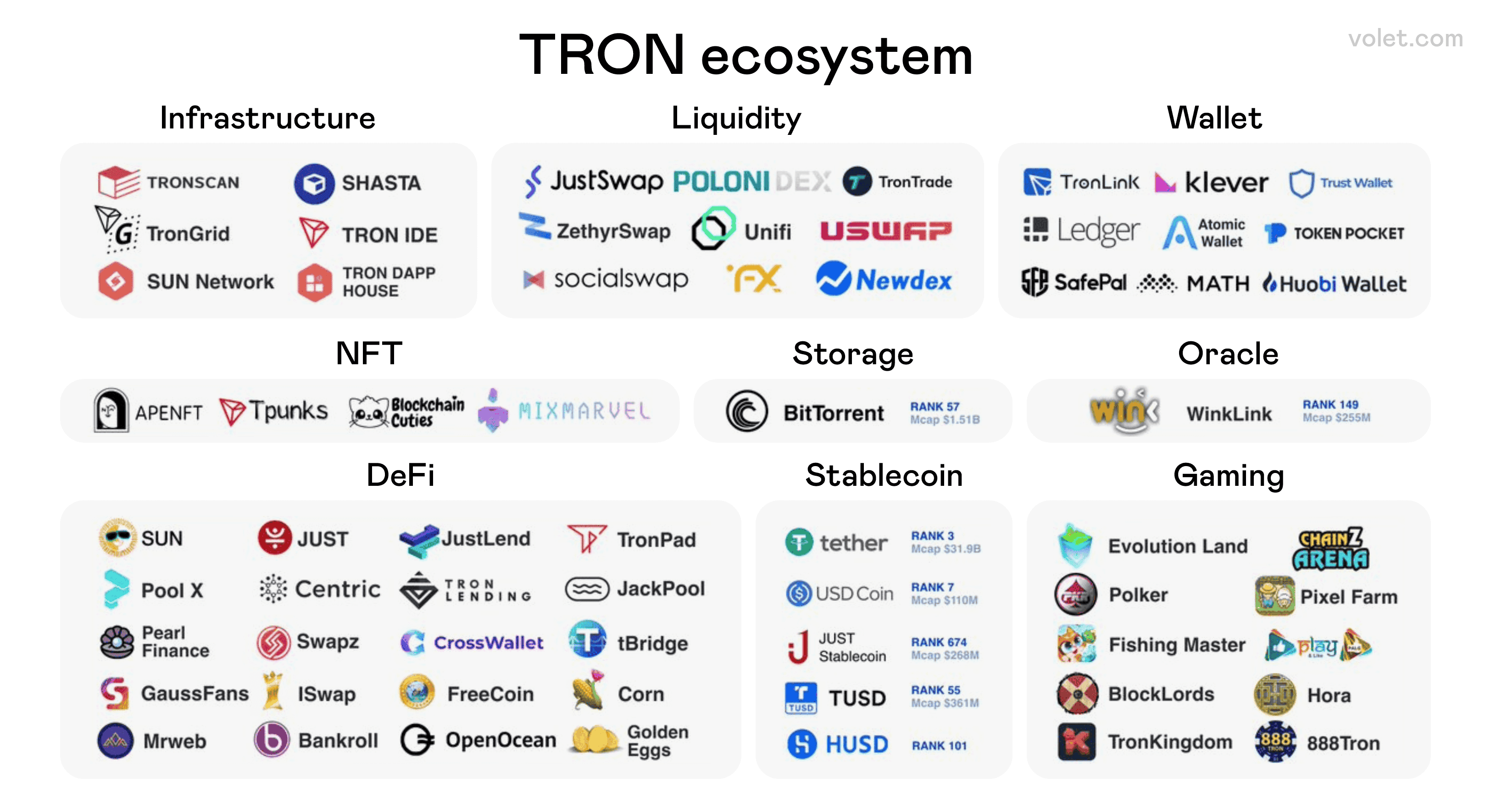
TRON ecosystem.
Whether you're new to cryptocurrency transfers or an experienced trader seeking to maximize your efficiency, knowing the ins and outs of TRC20 fees can save you significant amounts over time. Let's break down everything you need to know about the costs involved when sending USDT through the Tron network.
What Is a TRC20 Fee?
When you send USDT on TRC20 network, you'll encounter what's known as a TRC20 fee. This fee is the cost you pay to process your transaction on the TRON blockchain, a network designed to handle fast and secure cryptocurrency transactions. Unlike other networks such as Ethereum, TRON uses a unique system involving energy and bandwidth to manage transaction costs.
Every time you transfer USDT, the TRON network requires a certain amount of energy to power the smart contracts that facilitate the transaction. If you don't have enough energy in your wallet, you'll need to pay fees in TRX (TRON's native cryptocurrency) to cover the costs involved. This process is what makes the TRON network both efficient and cost-effective compared to other blockchain networks.
How Network Fees Are Calculated for TRC20 Transactions
Understanding how network fees are calculated will help you better predict your costs when planning USDT transactions. The TRON blockchain uses a resource model where transaction costs are paid through bandwidth and energy:
If you have enough bandwidth and energy (allocated based on your TRX holdings), your transaction can be processed with minimal fees
If you lack sufficient resources, you'll need to pay for them using TRX
The amount of energy required depends on the complexity of the transaction. A simple transfer requires less energy than complex interactions with smart contracts.
Factors Affecting TRC20 Fee Variations
Several elements can cause your transaction fees to fluctuate:
Network congestion: During periods of high blockchain activity, fees may increase slightly
Transaction amount: While not directly proportional, larger transfers might require more resources
Wallet and exchange policies: Some platforms add their own fees on top of the network fee
Exchange rate fluctuations: If the price of TRX rises, the USD cost of your fees might increase
The TRON blockchain operates with a fixed resource model, meaning that fees don't typically experience the dramatic spikes seen on networks like Ethereum. This predictability makes TRC20 USDT transfers more reliable for budgeting purposes.
Comparing Transaction Fees Across Different Networks
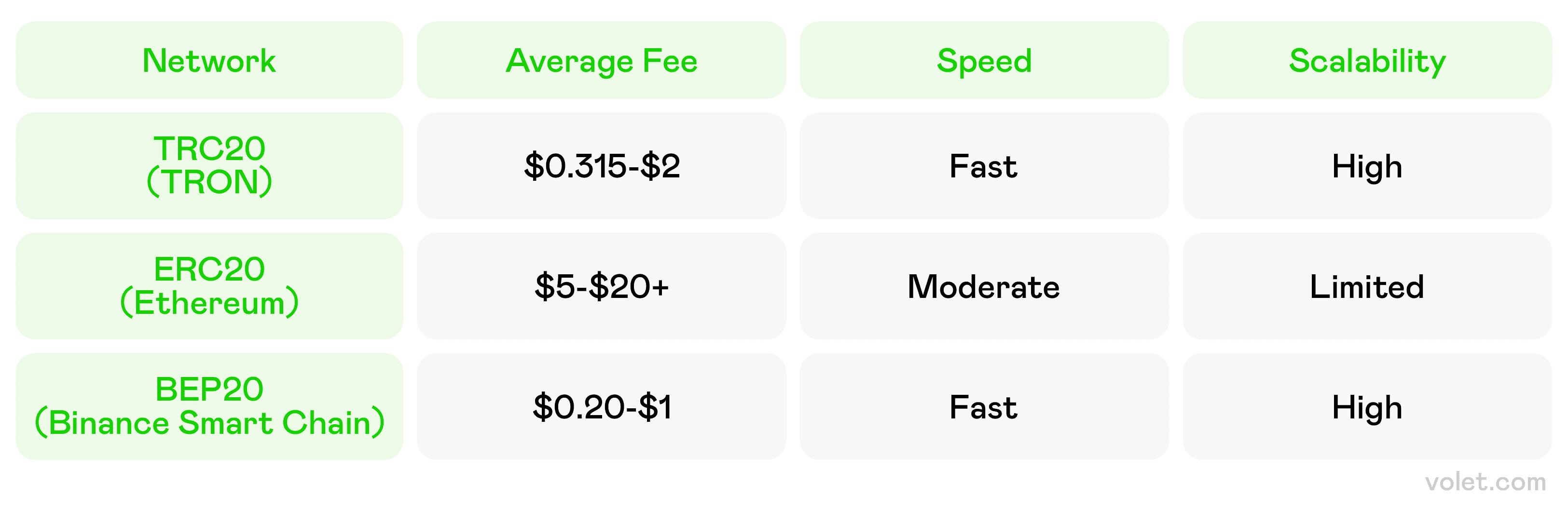
To understand why many users prefer TRC20 for USDT transfers, let's compare it with other popular networks:
When transferring USDT, you'll notice that fees vary depending on the network you choose. The Ethereum network is known for its high gas fees, especially during periods of high blockchain activity. In contrast, the Binance Smart Chain and Binance Chain offer lower fees, but they still can't match the cost-effectiveness of the TRON network. The TRON blockchain's design, which emphasizes speed and low energy consumption, makes it the cheapest network for USDT transfers in most cases.
It's also worth noting that exchange rate fluctuations can impact the fiat value of your fees. For instance, if the price of TRX rises, the USD cost of your TRC20 fees might increase slightly. Keeping an eye on the exchange rate can help you plan your transfers more effectively.
Why TRC20 Is Considered the Cheapest Network for USDT
The TRON blockchain has established itself as an optimal choice for USDT transfers for several key reasons:
Efficient energy system: Energy purchased on TRON is more cost-effective than comparable networks
Scalable design: The network architecture prioritizes high transaction volume at low costs
Stability: Energy costs remain relatively consistent even during high usage periods
Intentional design: The network was explicitly created to address scalability and fee issues plaguing other blockchain networks
These features make TRC20 particularly attractive for everyday transactions and smaller transfers where fee percentages significantly impact the value proposition.
How to Transfer USDT with Minimal TRC20 Fees
If you're looking to minimize your costs when sending USDT, consider these effective strategies:
Time Your Transfers Strategically
Blockchain activity typically fluctuates throughout the day. By sending your transactions during off-peak times, you can potentially secure lower fees. Generally, weekends and late night/early morning hours (UTC) see reduced network congestion.
Maintain TRX in Your Wallet
By holding even a small amount of TRX in your wallet, you can receive free bandwidth and energy allocations, which significantly reduce your transfer fees. The TRON network automatically rewards TRX holders with these resources proportional to their holdings.
Choose the Right Platform
Different platforms have varying fee structures for USDT transactions. Some charge flat fees regardless of the transferred amount, while others use percentage-based models. Research and compare fee structures before selecting your platform.
For smaller transfers, pay special attention to fixed fees. A $1 fee might seem reasonable but represents a 10% cost on a $10 transfer. For such transactions, platforms with percentage-based fees often provide better value.
Security Considerations
When transferring USDT, security should be balanced with cost considerations. The TRON network uses robust security protocols, but the overall safety of your transaction also depends on the wallet or exchange you use. Always choose reputable platforms with strong developer support and positive user reviews.
The ideal approach is to find a balance between:
Low transaction costs
High security standards
User-friendly interfaces
Reliable customer support
Remember that the cheapest option isn't always the best if it compromises these essential qualities.
Closing Thoughts
As cryptocurrency adoption continues to grow, the efficiency of your transactions becomes increasingly important. The TRC20 network offers a compelling combination of speed, reliability, and cost-effectiveness that's hard to match for USDT transfers. By understanding TRC20 fees today, you're not just optimizing your current transfers but also preparing for the increasingly digital financial landscape of tomorrow. With the right knowledge and approach, you can enjoy the perfect balance of affordability, speed, and security for all your USDT transactions.
FAQs
What is the cheapest way to transfer USDT?
The TRC20 network is generally considered the cheapest way to transfer USDT, with fees typically around $0.315 per transaction, significantly lower than Ethereum's ERC20 network fees.
Do I need TRX to pay for TRC20 transaction fees?
Yes, you need a small amount of TRX in your wallet to pay for transaction fees when sending USDT on the TRON network, typically less than 1 TRX per transaction.
Why do USDT transfer fees fluctuate based on network conditions?
Fees fluctuate based on network congestion, blockchain activity, and resource availability—during busy periods, more users compete for limited blockchain resources, potentially increasing costs.
Can I reduce my TRC20 fees by timing my transactions?
Yes, transferring during off-peak times (weekends or early mornings UTC) when network congestion is lower can help secure lower fees for your USDT transactions.
How do TRC20 fees compare to other networks for regular USDT users?
For regular users making frequent transfers, TRC20 fees can be 90-95% cheaper than Ethereum network fees and comparable to Binance Smart Chain, making TRON the most cost-effective option for everyday transactions.
What is a TRC20 fee?
A TRC20 fee is the transaction cost paid when transferring tokens like USDT on the TRON blockchain network.
Why are TRC20 fees lower than Ethereum fees?
TRON’s blockchain architecture is designed for high throughput and lower energy costs, resulting in lower transaction fees.
Do you need TRX to send USDT on TRC20?
Yes. A small amount of TRX is usually required to pay transaction fees on the TRON network.
Disclaimer
This article is provided for informational purposes only and does not constitute legal, financial, or professional advice. All content is based on publicly available information and personal opinions. Readers are advised to seek professional guidance before making any decisions or taking any actions based upon the material presented. The author and publisher assume no liability for any actions taken or not taken by the reader based on the information contained herein.