If you're serious about investing in cryptocurrency, having a secure crypto wallet is essential. The right wallet allows you to safely store, send, and receive digital assets while protecting them from hackers, phishing scams, and data breaches.
With so many options available—including hardware wallets, software wallets, hot wallets, and cold wallets—which one should you choose? The answer depends on your priorities, whether it's maximum security, ease of use, or flexibility in handling multiple cryptocurrencies.
This guide will walk you through the best crypto wallets of 2026, helping you make an informed decision. Whether you're looking for a self-custody wallet, a mobile wallet, or a solution with two-factor authentication and offline private key storage, we've got you covered.
What Is a Crypto Wallet?
A crypto wallet is a digital tool designed to store, send, and receive cryptocurrencies securely. It functions as a personal vault for your digital assets, ensuring that only you have access through a unique private key—a cryptographic code that acts as a password to safeguard your funds.
Crypto wallets are particularly important for investors who want full control over their assets, especially when an exchange or investment platform does not provide built-in storage solutions. While some platforms store private keys on behalf of users, this means you do not have direct ownership of your funds. In contrast, a dedicated crypto wallet ensures that only you can access and manage your holdings, significantly reducing the risk of security breaches, exchange failures, or cyber threats.
By using a secure crypto wallet, you gain greater control and protection over your investments, safeguarding your private keys and ensuring your digital assets remain secure at all times.
Types of Crypto Wallets
When it comes to securely storing Bitcoin, Ethereum, and other digital assets, there are two primary types of crypto wallets: hot wallets and cold wallets. Each serves a different purpose depending on whether you prioritize convenience or security.
Hot Wallets: Easy Access, But Higher Risk
A hot wallet is a software-based crypto wallet that remains connected to the internet, allowing users to quickly send, receive, and manage cryptocurrencies. These wallets are ideal for active traders who frequently engage in transactions.
However, this ease of access comes with risks. Since hot wallets are online, they are more vulnerable to cyber threats such as hacking, phishing, and malware attacks. Because private keys are stored digitally, unauthorized access is a possibility if proper security measures aren’t in place.
Cold Wallets: Maximum Security for Long-Term Storage
A cold wallet is a hardware wallet that stores private keys offline, making it significantly more secure against cyber threats. These wallets are best suited for long-term investors who want to protect their digital assets from hacks, phishing attempts, or data breaches.
Because cold wallets are not connected to the internet, they are considered the gold standard for crypto security. However, they are not as easily accessible as hot wallets. Since many cold wallets use a single recovery key, losing access to this key could result in the permanent loss of funds.
Hot vs Cold Wallets
One of the pivotal decisions in managing your crypto assets is choosing between hot and cold wallets. Hot wallets are internet-connected, offering the convenience of easy access to funds for frequent transactions. This accessibility makes hot wallets ideal for everyday use, but it also introduces potential security risks due to their online nature.
In contrast, cold wallets keep private keys offline, providing enhanced security by making them less vulnerable to online threats. Cold storage wallets are perfect for long-term storage, ensuring that your crypto assets remain safe from hackers and other online risks. Many users adopt a mixed approach, utilizing both hot and cold wallets to balance security and offline storage.
Ultimately, the choice between hot and cold wallets depends on your needs. For daily transactions, a hot wallet is indispensable, while a cold wallet is ideal for securing large amounts of crypto assets over the long term. Knowing the strengths and weaknesses of each type helps in making an informed decision that suits your security needs and usage habits.
Custodial vs. Non-Custodial Wallets
Non-custodial wallets allow users to retain full control of their private keys, reducing counterparty risks and ensuring that only you have access to your crypto. This self-custody approach aligns with the principle of ‘Not your keys, not your crypto’.
Custodial wallets, on the other hand, offer convenience in accessing services like fiat currency but come with risks related to third-party security. Users of custodial wallets may face significant risks, including loss of access if accounts are frozen, exchanges are breached, or bankruptcies occur.
Choosing between custodial and non-custodial wallets depends on your priorities. If you value control and security, a non-custodial wallet is the way to go. For those who prefer convenience and integrated services, a custodial wallet may be more suitable. Weighing the pros and cons helps in selecting a wallet that best meets your needs.
Best Crypto Wallets of 2026 to Secure Your Investments
Whether you need a hot wallet for frequent trading or a cold wallet for long-term security, the best choice depends on your specific needs.
Trust Wallet: A Multi-Asset Software Wallet
If you are a crypto investor seeking a secure, user-friendly, and multi-functional wallet, Trust Wallet is one of the top options available. As a non-custodial software wallet, it allows you to store, send, and trade cryptocurrencies while giving you full control over your private keys.
Owned by Binance, Trust Wallet supports a wide range of digital assets, including over 10 million cryptocurrencies across multiple blockchains. It is compatible with Ethereum-based tokens (ERC-20), Binance Smart Chain (BEP-20), and various altcoins, making it one of the most versatile wallets in the crypto space.
Pros:
- Supports over 10 million digital assets across multiple blockchains
- Non-custodial wallet, giving users full control of their private keys
- Built-in DEX for direct crypto swaps within the app
- Staking capabilities to earn rewards on various cryptocurrencies
Cons:
- Being a hot wallet, it remains connected to the internet, making it more vulnerable to hacking than cold wallets
- Lacks desktop support—available only on mobile devices
Crypto.com Wallet: The one for DeFi Users
For those looking for a crypto wallet with advanced DeFi capabilities, the Crypto.com Wallet is an excellent choice. Unlike many exchange-based wallets, Crypto.com offers the flexibility to choose between custodial and non-custodial options, meaning you can control your private keys or let Crypto.com manage them for you.
With support for over 1,000 cryptocurrencies, the Crypto.com Wallet provides a range of decentralized finance (DeFi) tools, including staking, yield farming, and NFT storage across multiple blockchains like Ethereum, Cosmos, and Cronos. Security is also a top priority, featuring two-factor authentication (2FA), biometric login, and Secure Enclave technology to protect your funds.
Pros:
User-friendly platform with a straightforward setup
- Supports over 1,000 digital assets
- Available on desktop, mobile, and browser
- Integrated access to DeFi applications
Cons:
- Limited advanced trading tools compared to other wallets
- Relatively high transaction fees
MetaMask: Ethereum & Web3 Applications on the Roll
If you frequently use Ethereum-based assets, DeFi applications, or Web3 platforms, MetaMask is one of the best wallets available. MetaMask is a popular mobile wallet and browser extension. it’s now also available as a mobile app, making it easy to manage digital assets on the go.
MetaMask is a non-custodial wallet, meaning you have full control over your private keys, ensuring that no third party has access to your funds. It supports Ethereum and ERC-20 tokens, making it ideal for NFT trading, staking, and DeFi transactions. MetaMask can store any digital asset that's built on Ethereum.
However, since MetaMask is a hot wallet connected to the internet, it is more vulnerable to phishing attacks and malware. That’s why it’s important to follow strong security practices when using it.
Pros:
- Seamless integration with Web3 applications and Ethereum-based DApps
- Available as both a browser extension and mobile app
- Supports Ethereum and thousands of ERC-20 tokens
- Full control over private keys—no third-party involvement
Cons:
- Only supports Ethereum and ERC-20 tokens, limiting multi-chain functionality
- As a hot wallet, it’s vulnerable to online security threats like phishing attacks
Exodus Crypto Wallet: Easy to Use
If you’re looking for a user-friendly, multi-chain crypto wallet, Exodus is a top choice. Exodus is a beginner-friendly cryptocurrency wallet available on desktop and mobile.
Exodus offers real-time portfolio tracking, live price charts, and a built-in exchange that allows you to trade cryptocurrencies directly within the wallet. It supports over 300 cryptocurrencies, including Bitcoin, Solana, and NFTs, and integrates with Trezor hardware wallets for added security.
Pros:
- Supports over 300 cryptocurrencies
- Available on desktop, mobile, and browser
- Easy-to-use interface, great for beginners and experienced users
- Integration with Trezor for added security
Cons:
- As a hot wallet, it remains connected to the internet, making it less secure than cold wallets
- Not fully open-source, which limits external security audits
Coinbase Wallet: One Safe Solution
If security, ease of use, and access to a wide range of cryptocurrencies are your priorities, the Coinbase Wallet is a strong option. Unlike the Coinbase exchange, this wallet operates as a self-custody solution, meaning you control your private keys.
One of the standouts features of Coinbase Wallet is integration with Ledger hardware wallets, allowing you to move assets into cold storage for added security. It also provides direct access to DeFi applications, making it perfect for staking, lending, and borrowing cryptocurrencies.
Pros:
- Direct integration with the Coinbase exchange for easy transfers
- Supports thousands of digital assets
- Option to store assets in cold wallets like Ledger
- Provides educational resources for beginner investors
Cons:
- Only available on mobile—no desktop version
- Coinbase wallet is under SEC investigation, which may raise regulatory concerns
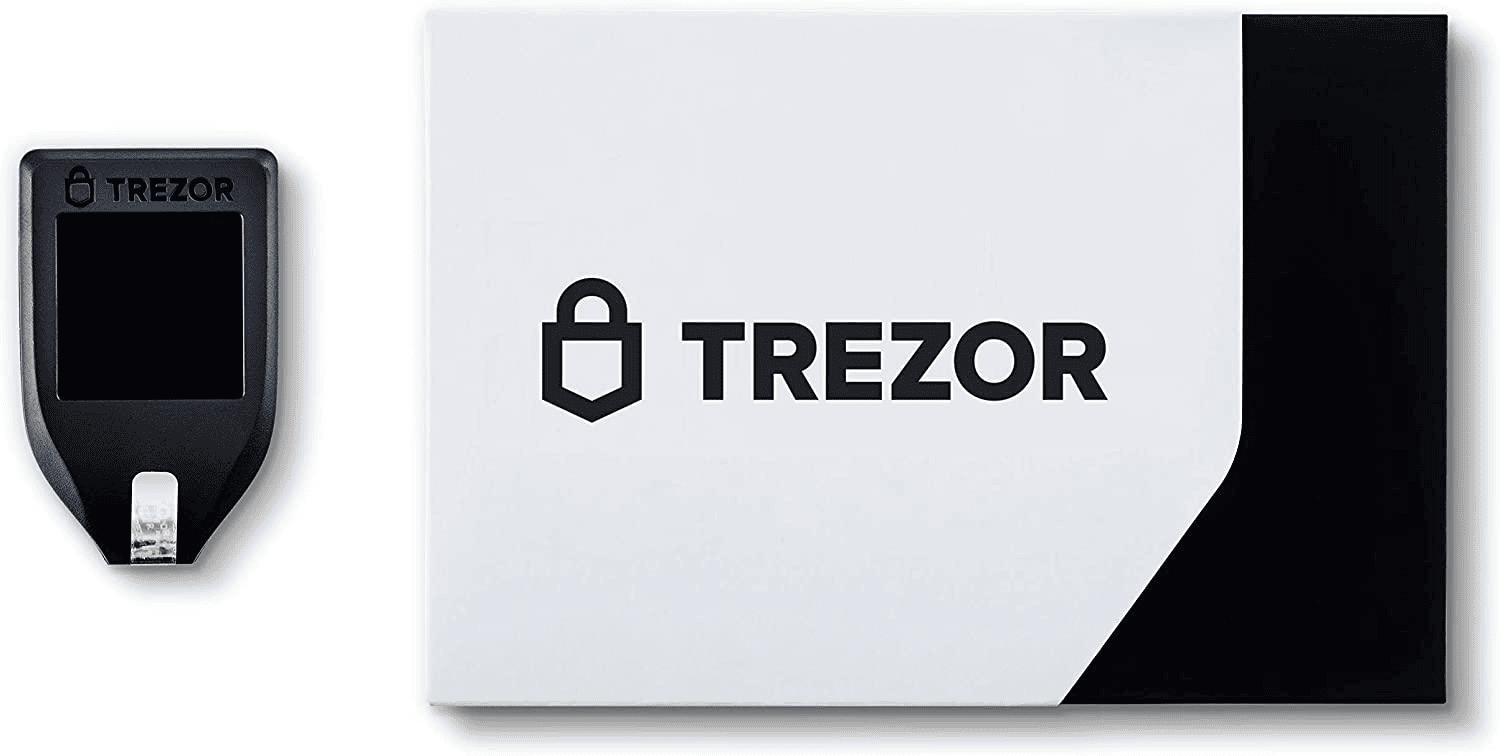
Trezor Model T: Advanced Security in Your Pocket
If security is your top priority, the Trezor Model T is one of the best hardware wallets available. As a cold storage wallet, it keeps private keys offline, making them completely immune to online hacking attempts and phishing attacks.
Unlike traditional hardware wallets with button navigation, the Trezor Model T features a full-color touchscreen, making it easier to approve transactions directly on the device. It also integrates with wallets like Exodus, allowing users to trade crypto while keeping assets in cold storage.
Pros:
- Touchscreen interface for easy navigation and transaction approvals
- Best-in-class security, protecting against hacks and phishing attacks
- Integration with wallets like Exodus for secure asset management
- Supports thousands of cryptocurrencies, including Bitcoin, Ethereum, and altcoins
Cons:
- No Bluetooth connectivity, making mobile usage less convenient
- No dedicated mobile app—requires a desktop connection
Ledger Nano X: An iPhone of Your Hardware Wallets
If you're looking for a top-tier hardware wallet that offers enhanced security, mobile accessibility, and extensive crypto support, the Ledger Nano X is one of the best options available. As a cold storage wallet, it keeps your private keys offline, ensuring your digital assets are protected from hacking, phishing, and malware attacks.
One of the standout features of the Ledger Nano X is its Bluetooth connectivity, which allows you to manage your crypto assets on mobile devices without needing a USB connection.
Pros:
- Private keys are stored offline, providing maximum security
- Bluetooth connectivity allows seamless mobile and desktop compatibility
- User-friendly interface with a dedicated desktop and mobile app
- Supports over 5,000 cryptocurrencies, making it one of the most versatile wallets
Cons:
- More expensive than many other hardware wallets
- Bluetooth connectivity could pose a security risk if not properly secured
Volet.com: One to Rule Them All
If you’re looking for a secure, multi-functional crypto wallet that also serves as a payment solution, Volet.com is a great choice. It goes beyond standard crypto wallets by allowing you to store, send, receive, and trade digital assets while also offering prepaid cards and e-wallets for daily financial transactions.
Unlike many other wallets, Volet.com integrates cryptocurrency storage with fiat payment solutions, meaning you can manage your crypto alongside your traditional financial assets. It supports multiple cryptocurrencies, including Bitcoin (BTC), Ethereum (ETH), Tron (TRX), Litecoin (LTC), Toncoin (TON), USD Coin (USDC), and Tether (USDT).
Pros:
- Supports multiple cryptocurrencies, including Bitcoin, Ethereum, and stablecoins
- Integrated payment solutions, allowing you to buy, sell, and spend crypto
- Instant and fee-free transactions between Volet.com users
- Multi-functional platform with prepaid cards and e-wallets
Cons:
- Not available for U.S. citizens or residents
- Limited selection of supported cryptocurrencies compared to other multi-chain wallets
Choosing a Crypto Wallet in 2026
Selecting the right crypto wallet requires evaluating key criteria to meet your cryptocurrency needs effectively.
Prioritize Security
Choose wallets with strong reputations and transparent offerings. Key features include two-factor authentication (2FA), advanced encryption, and PIN protection to safeguard your assets.
Opt for User-Friendly Interfaces
Ensure the wallet has an intuitive interface for seamless trading and storage. Avoid cumbersome options that complicate your experience.
Ensure Broad Cryptocurrency Support
Select a wallet that supports all your preferred cryptocurrencies to avoid managing multiple wallets unnecessarily.
Explore Additional Features
Look for wallets offering extras like decentralized application (dApp) access, built-in exchange integration, or community resources to enhance functionality.
Consider Cost and Value
Avoid wallets with high fees unless they offer premium features that justify the cost. Many affordable options provide excellent functionality.
Final Thoughts
Choosing the right crypto wallet depends on your security needs, trading habits, and asset types. For maximum security, hardware wallets like Ledger Nano X or Trezor are ideal. Frequent traders may prefer hot wallets like MetaMask, Coinbase Wallet, or Volet.com. If you seek a balance, Exodus offers cold storage integration. Always follow security best practices: enable 2FA, store private keys offline, and never share your seed phrase. By choosing wisely and staying secure, you can navigate the crypto world with confidence.
FAQs
Which crypto wallet is best for security?
Hardware wallets like Ledger Nano X and Trezor Model T offer the best security because they store private keys offline.
Can I use multiple wallets for crypto?
Yes! Many investors use both wallets—storing large amounts in cold storage and keeping a smaller balance in hot wallets for transactions.
What happens if I lose access to my wallet?
Most wallets provide a recovery seed phrase that allows you to regain access. Never store it online—keep it in a safe place! If you lose your cold wallet, you can still access your crypto using your seed phrase.
Are online wallets safe?
Hot wallets are generally safe for small amounts but are more vulnerable to hacking. Phishing is a common scam in the cryptocurrency space. If security is a concern, use a cold wallet for long-term storage. Cold wallets are generally thought to be more secure than hot wallets.
Which wallet has the lowest transaction fees?
Fees vary by wallet and blockchain network. Exodus, MetaMask, and Trust Wallet offer competitive transaction fees based on network congestion.
What types of crypto wallets are best for holding popular coins like Bitcoin and Ethereum?
To securely hold major assets, you need a trusted bitcoin wallet or ethereum wallet. Some options support both through a unified multi currency crypto wallet, allowing you to manage several coins in one place. Wallets like Volet, MetaMask, and Ledger support both crypto veterans and newcomers.
What’s the difference between a cold wallet and a hot wallet?
The cold wallet vs hot wallet comparison centers on internet connectivity. A cold wallet stores assets offline for higher crypto wallet security, while a hot wallet is connected to the internet and convenient for frequent transactions. Many investors use both types for balance and security.
What are non custodial wallets and why do they matter?
Non custodial wallets give users full control over their private keys, unlike custodial wallets where a third party manages your funds. These digital asset wallets enhance personal responsibility and decentralization. Tools like Volet and MetaMask are widely trusted in the non custodial space.
Disclaimer
This article is provided for informational purposes only and does not constitute legal, financial, or professional advice. All content is based on publicly available information and personal opinions. Readers are advised to seek professional guidance before making any decisions or taking any actions based upon the material presented. The author and publisher assume no liability for any actions taken or not taken by the reader based on the information contained herein.