Learn how to effectively buy new crypto before listings. This beginner’s guide offers practical tips for navigating the market. Start your journey today!
Understanding the Basics of New Cryptocurrency
Many people entering the crypto sphere start by investing in established coins like Bitcoin or Ethereum. However, the allure of new, less-established cryptocurrency projects is strong due to their growth potential. So what exactly is a “new cryptocurrency?”
In general, “new cryptocurrency” refers to a digital asset that is either in development or has recently launched. Unlike older, more established coins, these new ones might not have wide brand recognition or substantial trading history. For someone who identifies the right project at the right time, these early entries can be very profitable—especially if the community and market respond positively once the token gains traction.
Why do early opportunities matter?
Low Barrier to Entry: New tokens often start at relatively low prices.
Rapid Growth Potential: If the project solves a real problem and garners community support, the token’s price can multiply quickly.
Innovation: Many new projects bring forward novel solutions, whether in DeFi, NFTs, supply chain management, or other areas.
On the downside, newness also brings uncertainty. The market might not have validated the project concept, and the founding team’s capabilities remain untested. That’s why, as we keep stressing, it’s crucial to perform due diligence before committing any vestment to a new token.
Why Invest in New Cryptocurrencies?
For many early adopters, pre-listing crypto investments can provide significant benefits before a project gets officially listed on a major exchange. Often, these projects run private sale or pre-sale events at discounted prices. By identifying and purchasing crypto coins early, you could potentially acquire a token at a fraction of its future value—if the project gains traction and market interest grows.
For many crypto enthusiasts, the appeal lies in the combination of high growth potential and the chance to be part of an emerging technology or system that could influence the broader blockchain market. Participating in new offerings is somewhat akin to investing in a start-up: there’s the risk that the venture might fail, but if it succeeds, the rewards can be substantial.
We’ve seen many examples where early participants in an ICO ended up multiplying their initial vestment. Projects like Ethereum and Cardano, for instance, rewarded early investors significantly once they were fully launched and recognized within the community. On the flip side, you should be aware that not all new tokens will succeed. Hence, thorough research is essential to minimize risks and maximize potential returns.
Cheaper Entry: Many new tokens launch at discounted prices, which allows you to own a larger share of the project for a relatively small amount of capital.
Bonuses: Projects sometimes offer bonus tokens during the pre-sale. This means you get more units of cryptocurrency simply by participating early.
Potential High Returns: If the project gains mainstream adoption, your initial vestment can grow exponentially.
Staking and Rewards: Some projects provide staking or yield-farming programs where early investors receive additional rewards or interest (APY), thus boosting potential passive income.
These opportunities underscore why many forward-thinking investors keep a close eye on initial offerings and sale rounds. While the possibilities are exciting, you need a disciplined approach to due diligence and risk management.
How to find new crypto projects before they reach mainstream exchanges
Given the dynamic nature of the crypto world, staying updated with fresh project launches and new cryptos is paramount. Thousands of tokens and coins exist, with new ones emerging regularly. Each project promises unique features, but not all live up to the hype. Knowing where to look and how to filter the noise is essential.
To find brand-new tokens that may be preparing for sale or exchange listing, consider the following resources:
Project Launchpads: Platforms like Binance Launchpad, KuCoin Spotlight, Polkastarter, and others host initial token offerings and can be a great place to discover new crypto ideas
Binance’s Token Launch Platform
Official Project Websites and Socials: Many project teams announce their upcoming sale or initial coin offering details on Twitter, Telegram, Discord, or their official websites.
Crypto News Outlets: Dedicated news sites often highlight new developments and upcoming token sales.
Community-Driven Platforms: Reddit, Bitcointalk, and specialized crypto communities (like subreddits for new projects) can be goldmines for fresh information.
Crypto Forums
Crypto forums are among the best places to learn about new crypto before it is listed on a major exchange. These forums often function like bustling online clubs where crypto enthusiasts share insights, rumors, analyses, and experiences related to emerging project concepts. Understanding a project's ecosystem is crucial for evaluating its value proposition and potential investment opportunities.
Notable forums include:
Bitcointalk: One of the oldest and most respected crypto forums, it has sections dedicated to upcoming projects, ICO aannouncements, and altcoin discussions.
Reddit: Subreddits like r/CryptoMoonShots or r/CryptoCurrency can be invaluable for discovering new coin proposals, reading community feedback, and engaging directly with project developers or early investors.
Reddit Threads on Crypto
Dedicated Project Forums: Some new tokens create their own forums for Q&A, announcements, and discussions, offering a direct pipeline to the token’s community.
Engaging in these forums effectively can help you:
Spot Trends: You may stumble upon highly promising tokens before the mainstream even notices them.
Ask Developers: Developers frequently respond to forum questions, giving you firsthand insights into their project’s goals and roadmap.
Networking: Building a network in such forums can help you spot early-stage opportunities that might not be heavily advertised yet.
Approach these platforms with a critical eye. Enthusiasm in forums can run high, and sometimes hype can overshadow objective facts. Always verify claims, check credentials, and cross-reference multiple sources before making a vestment.
The Power of Community and Networking in Finding New Crypto
One of the best ways to discover new crypto is through community engagement. Whether you participate in Telegram chats, Discord channels, or local blockchain meetups, you can gain timely tips from people deeply involved in early-stage project ecosystems. Information is key in such a rapidly evolving space, and community-driven leads often reveal crypto investments that have minimal hype but enormous potential.
Here’s why community and networking are essential:
Early Warnings: The community can alert you to potential scams or red flags about a project you’re investigating.
Insider Knowledge: Developers and team members sometimes share behind-the-scenes updates or hints in closed groups.
Collaborative Analysis: Engaging in discussions with experienced investors can help you see a project from multiple angles, giving you a balanced view before you commit funds.
Always remember that community chatter can be both a blessing and a curse. It can help you discover genuine hidden gems or inadvertently lead you into pump-and-dump schemes if the hype is artificially inflated. Therefore, use community insights as just one tool in your due diligence arsenal.
Decentralized Exchanges (DEX)
Decentralized exchanges (DEX), such as Uniswap, PancakeSwap, and SushiSwap, are powerful channels for buying new tokens that haven’t yet made it to larger centralized exchanges. On a DEX, anyone can list a token, so you might find a coin that’s in its early phase of adoption or one that’s planning a major exchange listing in the near future.
Key aspects to consider when using DEXs to find new tokens:
Liquidity Risks: Many new tokens listed on DEXs might have low liquidity, meaning it could be hard to sell at your desired price or time.
Smart Contract Audits: DEX tokens, particularly early ones, can be subject to smart contract vulnerabilities. Check if the project has undergone credible security audits.
Scams and Rug Pulls: Because listing is open to anyone, scams are more common on DEXs. Always verify the token contract address and investigate team credentials before trading.
Potential for High Returns: If you do your due diligence, finding a coin early on a DEX can yield substantial returns if the project expands or secures a listing on a major exchange.
Despite the higher risks, many seasoned traders and community members love using DEXs to speculate on newly launched tokens. If you have a robust research process, the chance to buy a new cryptocurrency at its earliest stage on a DEX can be an exciting opportunity.
What Are the Most Effective Strategies for Conducting Due Diligence on New Crypto Projects?
The crypto market can be volatile and unpredictable, so you must be systematic when investigating a new project. Thorough due diligence goes beyond skimming a whitepaper or reading a handful of online comments. Here are several pillars of effective due diligence:
Documentation Review: Examine the project’s whitepaper, website, and official blog for clear information on vision, technology, and roadmap.
Team Verification: Look into the founding team’s professional background. Do they have experience in blockchain, tech, or entrepreneurship? Check LinkedIn profiles or GitHub activity if available.
Community Engagement: Observe how active and transparent the project team is on platforms like Discord, Twitter, Telegram. A robust, engaged community is often a sign of healthy project growth.
Smart Contract Analysis: For the technically inclined, reviewing the token’s smart contract can highlight any red flags—like suspicious mint functions or locked liquidity.
Roadmap & Milestones: Realistic, well-thought-out milestones can indicate a serious project vision.
Partnerships & Collaborations: Strategic partners and recognized advisors can lend credibility, but watch out for false claims.
Tokenomics: Investigate the token supply, distribution model, and vesting schedules. If a small group holds most tokens, it could lead to pump-and-dump scenarios.
By combining these strategies, you minimize the chance of falling for scams and maximize the likelihood of identifying a legitimate new crypto that might flourish in the future.
Analyzing New Crypto Projects
Analyzing a new crypto project thoroughly is vital before jumping in. Investors sometimes chase “the next 1000x coin” without doing the homework, ending up disappointed if the project doesn’t take off or, worse, if it’s revealed to be fraudulent.
Here are core areas to focus on when you’re analyzing:
Market Need: Does the project address a real problem or fill a niche in the crypto market? Or is it a copycat offering with no unique use case?
Roadmap Clarity: Look at the project’s timeline. Are the goals realistic? How transparent are the developers about upcoming features or exchange listings?
Team Competency: A team with a proven track record in relevant industries typically has a better chance of delivering on promises.
Tokenomics and Sale Details: Investigate how the tokens are allocated between founders, advisors, community, and marketing. Also assess whether the project has a fair sale process.
Initial Hype vs. Sustainable Growth: Does the project have a flurry of hype without substance, or is there evidence that real-world adoption and partnerships might occur?
Keeping these factors in mind helps you filter the thousands of new crypto offerings to find ones that align best with your investment goals and risk tolerance.
Platforms for Initial Coin Offerings (ICO/IDO/IEO)
When a new crypto project launches, it often raises funds through ICO, IDO, or IEO events. Here is what distinguishes each method:
ICO (Initial Coin Offering): A project directly sells tokens to investors, usually on its own website. This approach is decentralized but can be riskier for participants due to minimal external oversight.
IDO (Initial DEX Offering): A form of crowdfunding hosted on a decentralized exchange. The project’s token gets listed on a DEX such as Uniswap or PancakeSwap immediately after the sale.
IEO (Initial Exchange Offering): A sale facilitated by a centralized exchange like Binance or KuCoin. The exchange often vets the project before listing, adding credibility and simplifying the process for participants.
Platforms like CoinList, Binance Launchpad, or Polkastarter help investors discover these offerings. Because these platforms have a reputation to uphold, they tend to vet project submissions more rigorously, reducing—though not eliminating—fraud risk. Still, no platform can guarantee success. Each project’s viability depends on factors like market demand, the team’s expertise, and the strength of the overall community.
Legal Considerations When Buying New Crypto
Before diving into the sale of a new crypto project, consider the legal landscape in your jurisdiction. Regulations regarding ICOs, IDOs, and IEOs vary significantly across the globe. Some countries embrace blockchain innovation, while others impose strict bans on cryptocurrency activities.
For example, South Korea famously prohibited ICOs in 2017, pushing many new projects to look for alternative fundraising avenues. In the United States, token offerings can be subject to securities regulations, and projects might need to comply with the SEC’s rules. Failing to consider these legal frameworks could result in frozen accounts, fines, or even criminal charges for investors and project teams alike.
Here are a few tips:
Review Local Regulations: Check with local financial authorities or legal experts to ensure your planned participation in a token sale is legitimate.
KYC/AML Requirements: Many token sales (especially IEOs) require identity verification. Prepare to complete Know Your Customer (KYC) checks.
Risk Assessment: Regulatory uncertainty can impact a token’s future. A new crypto can face delisting or other operational hurdles if the project is found in violation of local laws.
Legal considerations might not be the most exciting part of your crypto journey, but ignoring them can lead to serious repercussions.
How to buy crypto before it is listed on major exchanges?
“How do I find new crypto before listing? How can I buy a coin before it is listed? How to buy crypto in pre-sale? Which crypto will give 1000x?”
These are some of the most frequently asked questions from newcomers eager to seize early-stage opportunities. Below are multiple strategies and the practical steps to follow:
Sign Up for Launchpads
Step 1: Create an account on platforms like Binance, KuCoin, or Polkastarter.
Step 2: Complete KYC if necessary.
Step 3: Watch for upcoming project announcements, and set reminders for initial sale dates.
Follow Project Social Media
Step 1: Join Telegram/Discord channels of the project you’re interested in.
Step 2: Keep track of announcements related to pre-sales or public sales.
Step 3: Ensure you have the required cryptocurrency (e.g., ETH, BNB, USDT) to participate.
Participate in Private Sales or Whitelists
Step 1: Some project teams offer private sale rounds or whitelisting events. You can sign up on their official websites if invited.
Step 2: You may be required to provide an email address, complete tasks like sharing the project on social media, or hold specific tokens.
Step 3: If you get whitelisted, you’ll have early access to token purchases.
Decentralized Exchanges
Step 1: Monitor DEX listings by following DEX aggregator sites or project announcements.
Step 2: Once a new token is live, connect your wallet (e.g., MetaMask) to the DEX, set your slippage tolerance, and swap the required token pair (e.g., BNB to a new coin on PancakeSwap).
Step 3: Confirm and hold the tokens in your wallet or stake them if the project offers that functionality.
Stay Active in Community Forums
Step 1: Visit Bitcointalk, Reddit, or specialized Telegram groups.
Step 2: Engage with other members to glean early information on upcoming project releases.
Step 3: Cross-reference all claims and do your own research (DYOR).
By combining these approaches, you maximize your odds of buying new crypto coins before they appear on big exchanges—and possibly discovering the next 1000x coin. Remember, every project is unique; never rush into an investment purely on hype. The more you know about the fundamentals, the better equipped you are to make a wise decision.
Historical Examples: Crypto Booms and Busts
Bitcoin bull run 2017-2019
The 2017 ICO boom is a seminal event in the crypto sphere, showcasing both the immense potential and the pitfalls of new crypto project investing. During that period, hundreds of ICOs flooded the market monthly. Some projects, like Ethereum-based tokens, soared in value, multiplying early investments countless times. Unfortunately, others were scams or poorly executed ventures that left investors with significant losses.
That era taught the crypto world that hype alone is not a reliable indicator of success. Many whitepapers presented grandiose visions but lacked tangible products, real user adoption, or robust development. As a result, global regulators started cracking down on unregulated offerings, prompting the market to adapt and find new approaches—like IEOs (Initial Exchange Offerings) and IDOs (Initial DEX Offerings)—to vet projects more thoroughly.
Nevertheless, these shifts did not eliminate all risks. With each innovation, unscrupulous actors find new ways to exploit naive or early investors. Therefore, applying meticulous research and skepticism remains a cornerstone for anyone aiming to buy new tokens before they’re listed on mainstream platforms.
Long-Term vs. Short-Term Strategies
When buying a new token, you can adopt various strategies depending on your risk tolerance, capital availability, and investment timeline:
Long-Term Hold (HODL): In the crypto community, “HODLing” is about believing in a project’s long-term potential. You buy the token at a low early price, then hold through market fluctuations, anticipating future utility growth, exchange listings, and mass adoption.
Short-Term Speculation: Others prefer a trading-centric approach, purchasing a new coin in a private sale or upon listing, then selling quickly once the price spikes. This tactic aims to capitalize on immediate volatility but requires keen timing.
Staking/Yield Farming: If the project’s tokenomics allow, you might stake your tokens or provide liquidity in pools to earn additional token rewards. This approach is somewhat akin to collecting dividends or interest, though it carries the smart contract risk of DeFi.
Choosing between these strategies depends on your personal goals and risk appetite. Some enthusiasts blend all three, staking a portion for the long haul while reserving some tokens for quick trades to lock in short-term gains.
Uncovering Hidden Gems: Practical Research Tactics
A. LinkedIn and Social Profiles One underused tactic is digging deep into the background of the project’s founders and lead developers. While the whitepaper might list their credentials, cross-verifying these on LinkedIn offers insight into their professional history. If you see a proven track record in reputable crypto or tech firms, that’s a favorable sign.
B. GitHub Repositories If the project is open source (as many crypto initiatives are), check their GitHub commits. Frequent, meaningful updates suggest an active development team. Conversely, a repository with minimal or no commits might indicate a dormant project or one that lacks tangible progress.
C. Tokenomics Clarity Deeply scrutinize how tokens are allocated during the sale and beyond. Are the founders or early backers controlling an excessively large percentage of the supply? This distribution can pose risks of large sell-offs that tank the coin’s price. Transparent tokenomics with fair vesting schedules are typically less prone to manipulation.
D. Community Q&A Ask pointed questions in community forums, Telegram groups, or AMAs (Ask Me Anything sessions) about the project’s objectives, partnerships, or technology. Observing how team members respond can reveal their depth of knowledge, honesty, and long-term vision.
Risk Mitigation in Early Crypto Investments
No matter how diligent you are, the crypto market is prone to unpredictable swings. When investing in new coins, having a plan for limiting losses is essential. Here are some suggestions:
Limit Your Exposure: Decide on a maximum percentage of your portfolio dedicated to speculative new crypto project investments.
Diversify: Spread your funds across different sectors (DeFi, NFTs, Layer-2 solutions, gaming tokens, etc.) to reduce reliance on any single trend.
Set Targets: Before buying a coin, determine a target price for profit-taking and a stop-loss in case things go south quickly.
Stay Informed: Crypto moves at lightning speed. Use social media, news outlets, and aggregator sites to stay abreast of major developments impacting your tokens.
Case Study: Uniswap and the Rise of IDOs
Uniswap—a decentralized exchange on Ethereum—pioneered the Automated Market Maker (AMM) model, changing how we discover and trade new tokens. IDOs (Initial DEX Offerings) began as a response to the unregulated nature of ICOs, aiming to bring trust and accessibility to the crowdfunding process through decentralized, smart contract-based platforms.
Why IDOs matter for early adopters:
Immediate Liquidity: The project’s token is tradable on the DEX right after the sale, removing the typical waiting period for a formal exchange listing.
Community Governance: Some IDO platforms adopt a governance model where the community votes on which tokens to list or how the sale parameters should be set.
This wave of decentralization expanded opportunities for global investors, lowering barriers to entry for those who wanted to find new tokens early. However, it also gave scammers a tool to list any coin with little oversight, further emphasizing the necessity of thorough research.
Beyond Tokens: NFTs and GameFi
While this guide focuses on how to buy new cryptocurrencies before listing, the crypto sphere has branched out into non-fungible tokens (NFTs) and GameFi (crypto gaming ecosystems). Projects in these domains often conduct private or presale rounds for their governance or utility tokens. If you’re bullish on the broader NFT or metaverse market, discovering early offerings in this niche can be profitable.
Use a similar approach as with any new coin: read the whitepaper, evaluate the project’s team, and gauge community engagement. The same hype-driven pitfalls apply—particularly in gaming, where flashy trailers or conceptual art might distract from incomplete technology or unrealistic business plans.
Additional Tools for Pre-Listing Discovery
CoinMarketCap’s “Recently Added” Section: A quick way to see brand-new listings, though not all might have had a public sale yet.
Crypto Twitter Influencers: Some established analysts or influencers focus specifically on new crypto project announcements.
Medium & Substack Newsletters: Many project teams post updates or detailed articles about their progress.
Keep a spreadsheet or notes on all potential new tokens that catch your eye. Record relevant data like project name, website, key team members, community size, and your personal rating based on due diligence. This organizational approach helps you avoid missing critical sale or listing dates.
Balancing FOMO with Logic
Fear of Missing Out (FOMO) can be intense in crypto. The sight of a token surging 10x or 50x can tempt you to jump into any new project you stumble upon. But this impulsive approach frequently leads to rash decisions and losses. Instead, cultivate a disciplined mindset:
Create an Investment Thesis: Spell out exactly why you’re interested in a new coin. Does it fill a gap in the DeFi market? Is its technology truly revolutionary?
Allocate Intentionally: Decide beforehand how much capital you’re willing to allocate to new tokens versus established cryptocurrencies or other assets.
Use Stop-Loss Orders: If available on your chosen platform, set a price to automatically sell if the token drops below a certain threshold.
By striking the right balance between caution and enthusiasm, you can harness the energy of the new crypto market without being blindly swept away by it.
Liquidity Pool Fundamentals
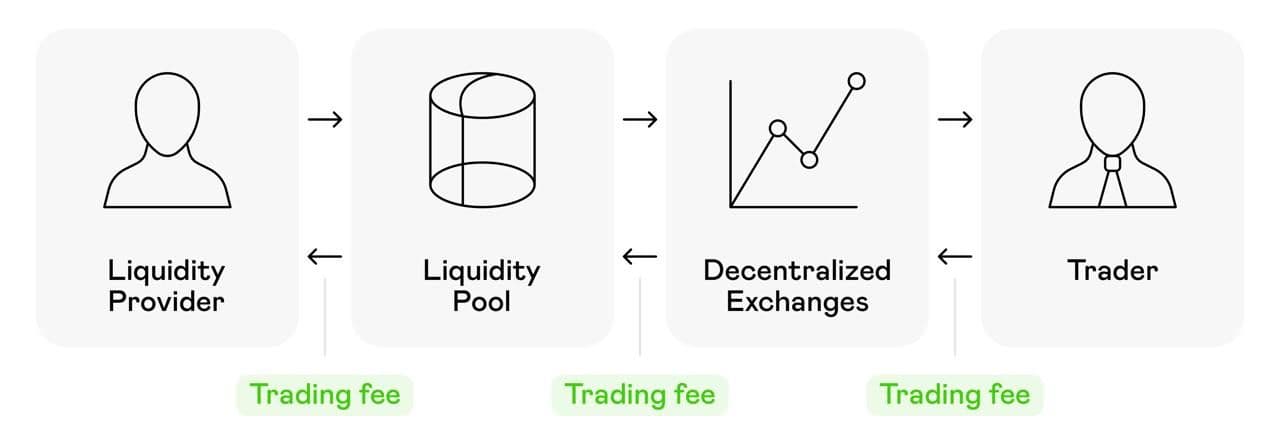
For projects launching via DEX-based IDOs, liquidity pools become crucial. When you buy a new coin through a decentralized platform, you’re interacting with a pool of tokens provided by liquidity providers (LPs). Key aspects include:
How liquidity pools work
Impermanent Loss: If you plan to become an LP yourself, understand impermanent loss, which occurs when the ratio of tokens in your pool diverges in price.
Token Lockups: Some IDOs lock tokens to prevent massive dumps that can crash the coin’s price right after the sale.
Slippage Tolerance: Because new tokens can be volatile, your transaction might fail or settle at a less favorable rate if slippage is too low.
Grasping these nuances ensures you approach DEX-based token sales with a well-rounded strategy.
Security Best Practices
Investing in new crypto projects involves serious security considerations. Opportunistic hackers and phishers often target novices. Keep these security measures in mind:
Use Hardware Wallets: If possible, store your tokens offline on a hardware wallet. Online hot wallets are more vulnerable to hacks.
Double-Check URLs: Phishing sites mimic official project URLs and can trick you into sharing private keys. Always verify the link before entering sensitive information.
Beware of DM Scams: Never share seed phrases or private keys with anyone claiming to be from the project’s support staff on Telegram or Discord. Teams usually don’t initiate direct contact.
Use Two-Factor Authentication (2FA): For centralized launchpads and exchanges, enable 2FA to strengthen account protection.
Trading Psychology: Overcoming Emotional Pitfalls
Mental fortitude can be just as important as market knowledge when investing in new crypto projects. Greed, fear, impatience, and regret can cloud judgment. Some guidelines for staying level-headed:
Detach Emotions: Focus on data and fundamentals. If an investment decision hinges solely on “feeling,” reconsider.
Don’t Chase Pumps: If a new coin has already skyrocketed 50x, jumping in at the peak might be highly risky. Wait for corrections or look for other opportunities.
Learn from Mistakes: Every investor experiences losses. Reflect on what went wrong—was it insufficient research, ignoring red flags, or succumbing to FOMO? Use those lessons to refine your approach.
Realistic Timeframes for Gains
Many beginners expect overnight riches. While it’s true some new tokens do skyrocket quickly, relying on short-term gains is speculative. Some projects—especially those built on complex tech—might need months or years to roll out fully. A patient, informed investor usually fares better than someone trying to time every pump.
It’s vital to discern whether a project’s price movements stem from real demand and adoption or from hype cycles orchestrated by whales and promoters. If you believe in a token’s fundamentals, holding for a more extended period could align with the project’s actual growth trajectory.
Social Media Influencers
Twitter Many crypto traders rely on “Crypto Twitter,” following influencers, analysts, and project accounts for real-time updates. Keep in mind that some influencers are paid to promote certain projects. Always cross-reference their advice.
Telegram/Discord Fast-moving chats can be full of price predictions, rumor-sharing, or claims of guaranteed profits. Filter out the noise, and look for official announcements from verified project moderators or developers.
YouTube Some content creators offer in-depth reviews and tutorials about new crypto tokens. While these can be informative, do check if they’re sponsored or if they disclose conflicts of interest.
Beyond the Hype Cycle
Cryptocurrency innovation is still at an early stage, with new solutions for cross-chain interoperability, governance, scalability, and more emerging. Alongside hype-driven meme coins, serious projects are tackling real-world issues—from global remittances to decentralized finance (DeFi) solutions that could reshape traditional banking.
When you discover a new project, evaluate if it aligns with overarching trends in the crypto market:
Is it addressing a need in DeFi, NFTs, Layer-2 scaling, or blockchain infrastructure?
Does it ride on “buzzword” hype without actual functionality?
Are regulatory or compliance frameworks supportive of its use case?
Answering these questions can help you differentiate fleeting fads from potential breakthroughs.
Observing Post-Listing Performance
Even after you manage to buy a token at its early stage, continue tracking project developments. Watch if the team meets their roadmap milestones, fosters an active community, and updates their technology. Remember that a new coin’s journey doesn’t end once it’s listed; that’s often just the beginning of a longer growth process.
Some projects lose momentum due to internal conflicts, lack of funding, or market competition. Others pivot successfully, aligning with new industry trends. Maintaining an ongoing, curious approach ensures you can decide whether to hold, accumulate more, or exit your position at the right time.
Common Pitfalls and How to Avoid Them
Overconfidence: It’s easy to get complacent if you experience a few successful early investments. Never assume each subsequent project will yield the same returns.
Ignoring Fundamentals: Chasing hype or memes can work occasionally, but ignoring fundamentals eventually leads to bad decisions.
Poor Portfolio Management: Funneling all your capital into a single new crypto is excessively risky. Spread out your bets.
Underestimating Fees: Gas fees on Ethereum, for example, can eat into small investments. Factor in transaction costs.
Not Having an Exit Strategy: Plan how you’ll take profits or cut losses. Emotional decision-making often ends poorly.
Conclusion
Investing in new crypto coins before they list on exchanges can be both exhilarating and fraught with risk. The potential for outsized returns motivates many to scour forums, track initial offerings, and engage with community channels. Yet the market is rife with scams and high failure rates among fledgling projects.
By adhering to best practices—researching team credentials, analyzing tokenomics, and verifying project fundamentals—you can significantly improve your odds of a positive outcome. Whether you choose ICOs, IDOs, or IEOs, or scour DEXs for undiscovered gems, prudence and vigilance will serve you better than any single tip or piece of speculation.
Always remember: the best investment is an educated one. Arm yourself with knowledge, remain engaged with developments in the crypto community, and maintain a carefully structured approach to risk management. Doing so positions you to capture the upside of the new coin wave while minimizing the pitfalls that accompany this volatile frontier of digital finance.
Frequently Asked Questions (FAQ)
How do I find new crypto before listing? Monitor launchpad announcements, social media, crypto forums, and aggregator sites like CoinMarketCap’s “Recently Added” section. You can also join relevant Telegram, Discord, and Twitter communities to pick up early information on emerging projects.
How can I buy a coin before it is listed? Participate in ICOs, IDOs, and IEOs. Alternatively, watch for pre-sales or private sale events. Research thoroughly to ensure it’s a legitimate project with strong fundamentals.
How to buy crypto in pre-sale? Join the project’s official website or the chosen launchpad platform. Complete any whitelisting or KYC requirements, then fund your wallet with the required currency (e.g., ETH, BNB, USDT) to purchase the tokens during the sale window.
Which crypto will give 1000x? It’s impossible to predict with certainty. A project that solves a genuine problem, has a robust team, and gains widespread community adoption might see massive growth. Focus on researching fundamentals and market conditions rather than chasing baseless hype.
Disclaimer
This article is provided for informational purposes only and does not constitute legal, financial, or professional advice. All content is based on publicly available information and personal opinions. Readers are advised to seek professional guidance before making any decisions or taking any actions based upon the material presented. The author and publisher assume no liability for any actions taken or not taken by the reader based on the information contained herein.
What does buying crypto before listing mean?
Buying crypto before listing means purchasing tokens during early stages such as presales or ICOs before they become available on major exchanges.
Where can investors find new crypto projects early?
Investors often discover early projects through crypto launchpads, project websites, community channels, and blockchain startup platforms.
Is buying crypto before listing risky?
Yes. Early-stage crypto investments can offer high returns but also carry significant risks, including project failure or scams. Always research projects carefully.