In the Ethereum blockchain ecosystem, Ether (ETH) is the native cryptocoin used for transactions, smart contract execution, and gas fees. However, ETH does not conform to the ERC-20 token standard, which limits its direct usability in decentralized finance (DeFi) applications. To solve the issue, Wrapped Ether (WETH) was introduced.
What is WETH? An Introduction to Wrapped Ether
- 2025-02-11
- Julia Gerstein
- 8 min
Discover WETH and how wrapped Ethereum enhances your crypto experience. Learn its benefits and applications—read the full article now!
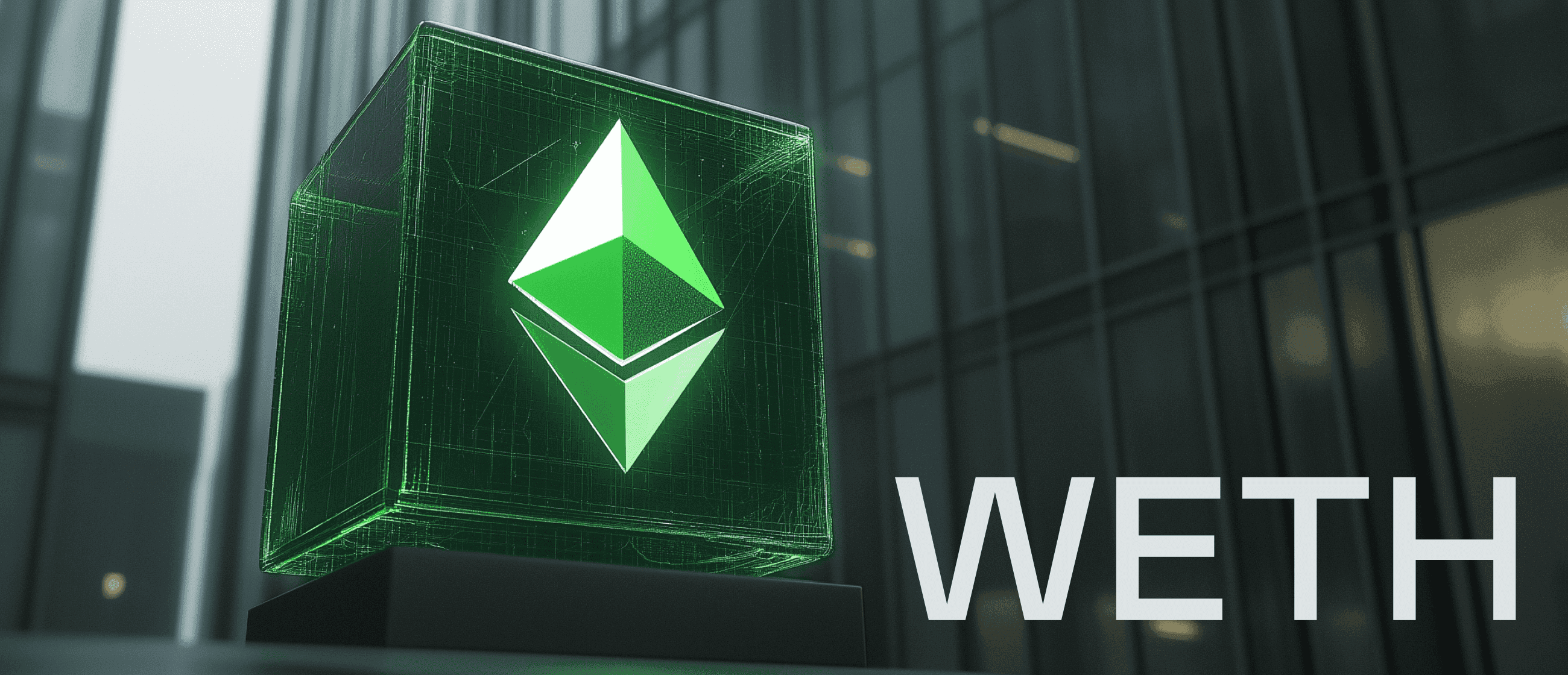

ETH gets wrapped. Source: Bybit
To create WETH, users wrap ETH through a decentralized smart contract, which mints wrapped Ether and allows seamless integration into various DeFi protocols, liquidity pools, and decentralized exchanges (DEXs) without requiring special modifications. Since WETH is pegged 1:1 to ETH, it maintains the same value and can be converted back to ETH when needed.
What is Wrapped Ether (WETH)?
So, wrapped ether (WETH) is an ERC-20 token that represents Ether (ETH) on the Ethereum blockchain. That said, essentially, WETH is a tokenized version of ETH, and the process of wrapping ETH involves converting it into WETH by adhering to the ERC-20 token standards.
The innovation of WETH lies in its ability to enable seamless interaction with Ethereum-based decentralized applications. By wrapping ETH, users can participate in a wide range of DeFi activities without the limitations imposed by the native ETH token. This makes WETH a crucial component in the Ethereum ecosystem, enhancing the usability and functionality of ETH in the decentralized world.
Why Wrap ETH? The Need for Wrapped Ethereum WETH in DeFi
ERC-20 Compatibility and Smart Contract Usability
Ethereum’s native blockchain supports smart contracts, which automate transactions and enable the decentralized applications (dApps) ecosystem. However, since ETH does not follow the ERC-20 token standard, interacting with ERC-20-based platforms and DeFi applications becomes cumbersome.

DeFi ecosystem. Source: Alethio
By wrapping ETH, users gain access to the entire Ethereum-based decentralized application ecosystem:
- Liquidity pools for trading and yield farming
- Decentralized lending platforms for borrowing and lending assets
- Decentralized exchanges for seamless ETH swaps
- DeFi protocols that require ERC-20 assets for participation
Improved Liquidity and Yield Farming
Many DeFi protocols rely on liquidity pools to function efficiently. By wrapping ETH, users can provide liquidity, engage in yield farming, and earn rewards in various decentralized finance applications.
Wrapped tokens play a big role in providing liquidity and enhancing interoperability in DeFi applications, enabling seamless cross-chain transactions and expanding the functionality of the underlying assets.
How to Wrap and Unwrap ETH
The Wrapping Process: Converting ETH to WETH
Wrapping ETH is straightforward. Here’s how users can convert ETH into WETH:
- Visit a DeFi platform like Uniswap, MetaMask, or OpenSea that supports WETH.
- Select ETH and enter the amount of ETH to wrap.
- Review swap details and confirm the transaction through a Web3 wallet.
- Once processed, you receive WETH in your wallet.
The process to wrap Ether (ETH) into Wrapped Ether (WETH) involves using smart contracts to convert ETH into an ERC-20 token, which can be utilized in various decentralized applications (DApps).
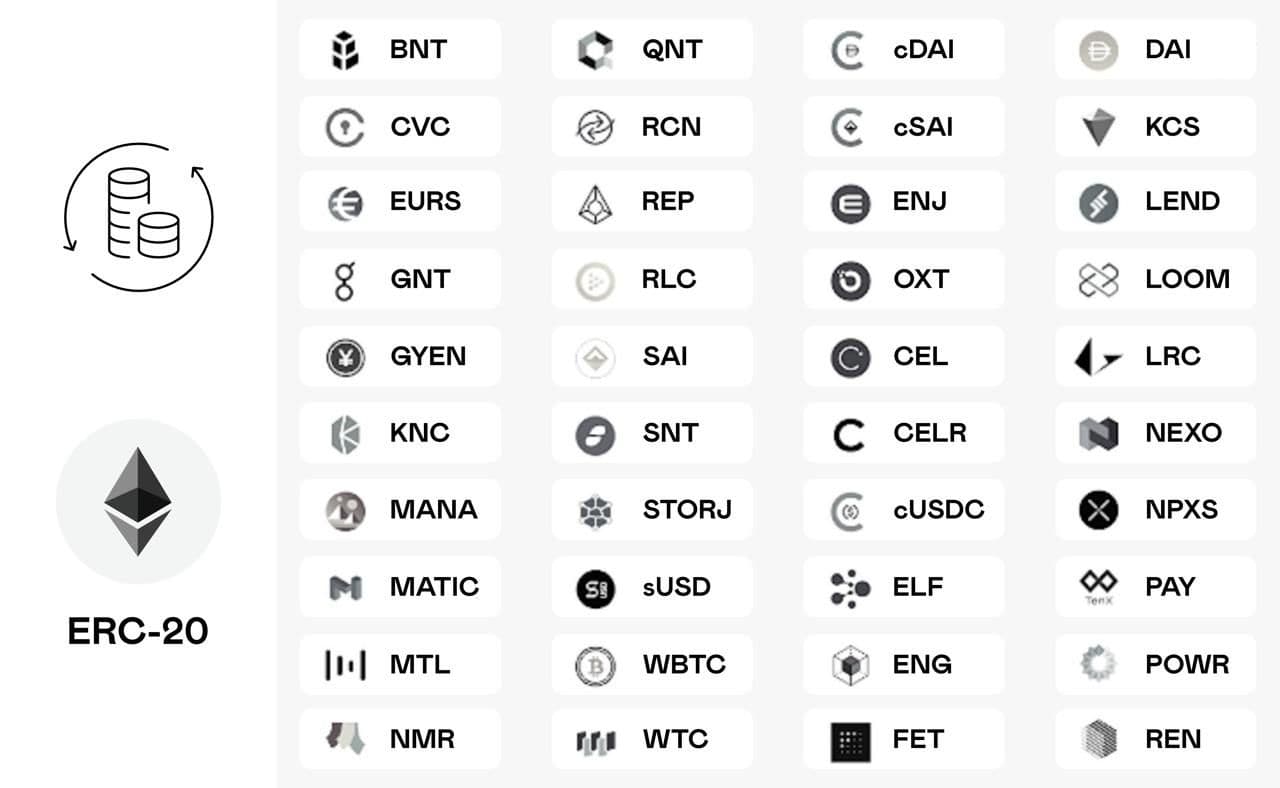
The list of ERC-20 tokens. Source: CryptoWise
This conversion allows WETH to be used in DeFi, NFT trading, and providing liquidity, while ETH is primarily used for transaction fees.
The amount of ETH locked equals the equivalent amount of WETH received.
Unwrapping WETH: Converting WETH Back to ETH
To unwrap WETH, follow these steps:
- Go to a decentralized platform that supports WETH conversion.
- Select WETH and enter the amount to convert back.
- Review swap details and approve the transaction.
- Once confirmed, the WETH is burned, and ETH is released to your wallet.
This allows users to withdraw their native Ether whenever needed.
WETH and Its Benefits in the Ethereum Ecosystem
Lower Transaction Fees and Increased Efficiency
Because WETH is an ERC-20 token, it reduces gas fees compared to transactions requiring ETH-ERC-20 conversions. However, WETH cannot be used to pay gas fees on the Ethereum network, which is a limitation compared to ETH.
Supporting Decentralized Lending and Borrowing
Wrapped Ethereum enables seamless borrowing and lending through decentralized lending platforms. Users can use WETH as collateral to obtain loans or lend out assets to earn interest.
Enhanced Trading and Cross-Platform Compatibility
Most decentralized exchanges use the ERC-20 token standard. WETH enables traders to seamlessly swap ETH with other ERC-20 tokens without additional conversions.
Providing Liquidity for DeFi Applications
Users can supply liquidity pools with WETH, earn rewards, and engage in yield farming. This increases liquidity availability across different platforms, enhancing the overall Ethereum ecosystem.
Key Differences between WETH and ETH
While WETH and ETH are closely related, they have several key differences that set them apart:
- Token Standard: WETH is an ERC-20 token, which means it follows the ERC-20 token standard, making it compatible with various decentralized exchanges and DeFi protocols. In contrast, ETH is the native cryptocurrency of the Ethereum blockchain and does not conform to the ERC-20 standard.
- Compatibility: WETH’s ERC-20 compatibility allows it to be used seamlessly on decentralized exchanges and DeFi platforms. ETH, on the other hand, is not directly compatible with these platforms without conversion to an ERC-20 token like WETH.
- Use Cases: WETH is primarily used for token trading on decentralized exchanges and providing liquidity for ERC-20 tokens. ETH, however, is used for paying gas fees and executing transactions on the Ethereum network.
- Creation Process: WETH is created by wrapping ETH with ERC-20 token standards, enabling it to be used in the DeFi ecosystem. ETH is mined through a proof-of-work consensus algorithm, which involves solving complex mathematical problems to validate transactions and secure the network.
These differences highlight the unique roles that WETH and ETH play in the Ethereum ecosystem, with WETH enhancing the usability of ETH in the decentralized finance space.
Main Disadvantages of WETH
While WETH provides numerous advantages, there are some drawbacks to consider:
- Transaction Fees: Wrapping and unwrapping ETH involves gas fees, adding extra costs.
- Smart Contract Risks: Since WETH relies on smart contracts, potential vulnerabilities could lead to losses if exploited.
- Centralization Concerns: Although WETH aims to be decentralized, the wrapping process requires third-party platforms, which introduces some level of centralization.
Using Wrapped ETH (wETH) also comes with limitations and risks compared to native ETH. For instance, wETH is subject to the security of the smart contracts it relies on, and the wrapping process can introduce additional points of failure.
Despite these limitations, WETH remains a vital component of the Ethereum-based DeFi ecosystem.
Popular Platforms that Accept WETH
WETH is widely accepted on various popular platforms, making it a versatile asset in the DeFi ecosystem. Some of the notable platforms that accept WETH include:
- Uniswap: A leading decentralized exchange (DEX) that allows users to trade ERC-20 tokens, including WETH. Uniswap’s automated market maker (AMM) model enables seamless token swaps and liquidity provision.
- Compound: A decentralized lending and borrowing platform where users can earn interest on their assets, including WETH. Compound allows users to supply WETH as collateral to borrow other cryptocurrencies or earn interest on their deposits.
- MakerDAO: A decentralized lending platform that enables users to borrow stablecoins using WETH as collateral. MakerDAO’s DAI stablecoin is generated by locking WETH in smart contracts, providing a stable asset for various DeFi activities.
- OpenSea: A decentralized marketplace for buying, selling, and trading non-fungible tokens (NFTs). OpenSea accepts WETH as a form of payment, allowing users to purchase digital art, collectibles, and other unique assets.
These platforms demonstrate the versatility and importance of WETH in the decentralized finance ecosystem, enabling users to engage in a wide range of financial activities.
Future of Wrapped Ethereum (WETH)
The future of Wrapped Ethereum (WETH) is closely tied to the ongoing development of the Ethereum ecosystem and the broader cryptocurrency market. As the adoption of Ethereum and other blockchain technologies continues to grow, the demand for WETH is likely to increase.
WETH will play an increasingly important role in the DeFi infrastructure, enabling users to provide liquidity for ERC-20 tokens and interact with Ethereum-based decentralized applications. As more DeFi protocols and decentralized exchanges emerge, the utility of WETH will expand, offering users greater opportunities to engage in decentralized finance activities.
Moreover, the continued innovation in the Ethereum network, such as the transition to Ethereum 2.0 and the implementation of layer-2 scaling solutions, will further enhance the usability and efficiency of WETH. These advancements will likely reduce gas fees and improve transaction speeds, making WETH an even more attractive asset for DeFi participants.
Final Thoughts
Wrapped Ethereum (WETH) bridges the gap between ETH and ERC-20 tokens, enabling seamless interaction with DeFi applications, decentralized exchanges, and liquidity pools. By converting ETH to WETH, users gain improved liquidity, lower fees, and greater utility across the Ethereum network.
Whether you’re trading, providing liquidity, or participating in DeFi, WETH enhances your Ethereum experience by offering ERC-20 compatibility and seamless transactions.
FAQs
What is WETH used for?
WETH is used for trading, lending, staking, yield farming, and interacting with ERC-20-based DeFi applications.
Is WETH the same as ETH?
No, but WETH maintains the same value as ETH and can be converted back at any time.
How do I convert ETH to WETH?
You can wrap ETH using decentralized platforms like Uniswap, MetaMask, or OpenSea. Simply select ETH, enter the desired amount, and confirm the swap.
What is wrapping Ethereum?
Wrapping Ethereum involves converting ETH into WETH, an ERC-20 token, to facilitate engagement with decentralized applications (DApps) and DeFi protocols. This process ensures liquidity and interoperability within the Ethereum ecosystem, allowing for various investment opportunities.
Can I use WETH for gas fees?
No, Ethereum network gas fees must still be paid in ETH, as WETH is an ERC-20 token.
Is WETH safe to use?
Yes, but like all crypto assets, WETH carries smart contract risks and transaction fees. Always use trusted platforms for conversions.
Disclaimer
This article is provided for informational purposes only and does not constitute legal, financial, or professional advice. All content is based on publicly available information and personal opinions. Readers are advised to seek professional guidance before making any decisions based on the material presented. The author and publisher assume no liability for any actions taken based on this information.
Do More With Your Money
Manage digital money effortlessly: send, receive, and exchange crypto for business and everyday life
Let’s talk about your payment needs!
Message your manager in any language:
Author

Julia Gerstein
I’m a journalist turned crypto writer, explaining digital finance by day and finishing my sci-fi saga by night.
Follow us to never miss a new article