Inspired by Satoshi Nakamoto’s whitepaper, I decided to buy some BTC—until one Friday night, panic suddenly washed over me. My friend was stranded overseas, his credit card frozen due to "suspicious activity," and he needed funds ASAP. "Can you send me some Bitcoin?" his message read. "Like, right now?"
Sure, I thought. How hard could it be? Three hours and an increasingly desperate WhatsApp chat later, I learned the hard way that "cryptocurrency transfer" and "instant" don't automatically go together. 😅
That night changed everything about how I approach crypto transfers. Since then, I've tested every method out there (including some embarrassing mistakes I'll share with you), and I've discovered there's a MASSIVE difference between the slowest and fastest ways to move your digital assets.
Whether you're new to crypto or a seasoned pro, knowing how to make an instant bitcoin transfer when it counts can save you a lot of hassle.
Let me walk you through what I've learned the hard way, so you don't have to!
Understanding the Basics of Fast Cryptocurrency Transfers
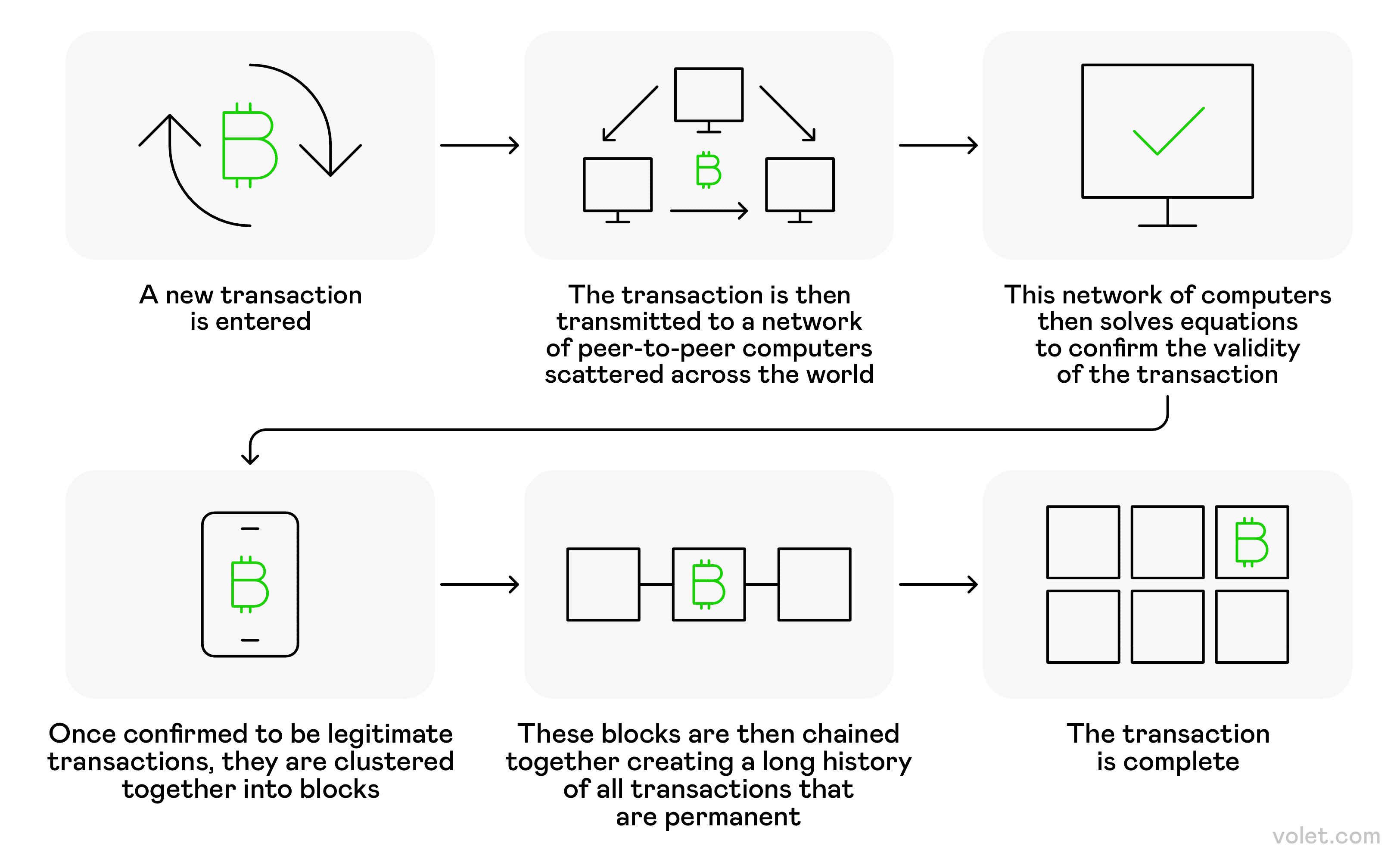
Sending Bitcoin quickly is essential in today's fast-paced world. The Bitcoin blockchain is designed to process transactions efficiently, but the method you choose can significantly impact how fast your transfers are completed.
Several key factors influence transaction speed:
- Network Congestion: High traffic on the blockchain can slow down transactions.
- Network Fees: Higher fees often prioritize your transaction, speeding up confirmation times.
- Cryptocurrency Platform: The exchange or wallet you use can impact transfer speed.
- Verification Requirements: Some platforms require additional verification steps, which can delay transfers.
- Recipient's Platform: The speed at which the recipient's wallet or exchange processes transactions also plays a role.
By optimizing these factors, you can reduce transfer times from hours to minutes—or even seconds.
How to send bitcoin fast and instantly?
After several nail-biting experiences watching the Bitcoin blockchain confirm my transactions at a snail's pace, I've discovered the shortcuts to faster transfers:
- Log into Your Bitcoin Wallet: Access your Bitcoin wallet using your preferred platform.
- Enter the Recipient's Wallet Address: Input the recipient's Bitcoin wallet address carefully.
- Choose the Amount: Decide how much Bitcoin you want to send.
- Select the Payment Method: Depending on your wallet, you can use credit or debit card, Apple Pay, Google Pay, or bank transfer.
- Confirm the Transaction: Review the details, including the network fee, and confirm the transaction.
Most platforms allow you to send Bitcoin instantly, but the speed can vary based on the network fee you're willing to pay. Higher fees often result in faster confirmations.
The Fastest Ways to Transfer Cryptocurrency (Ranked by Real Experience)
1. Lightning Network Transfers
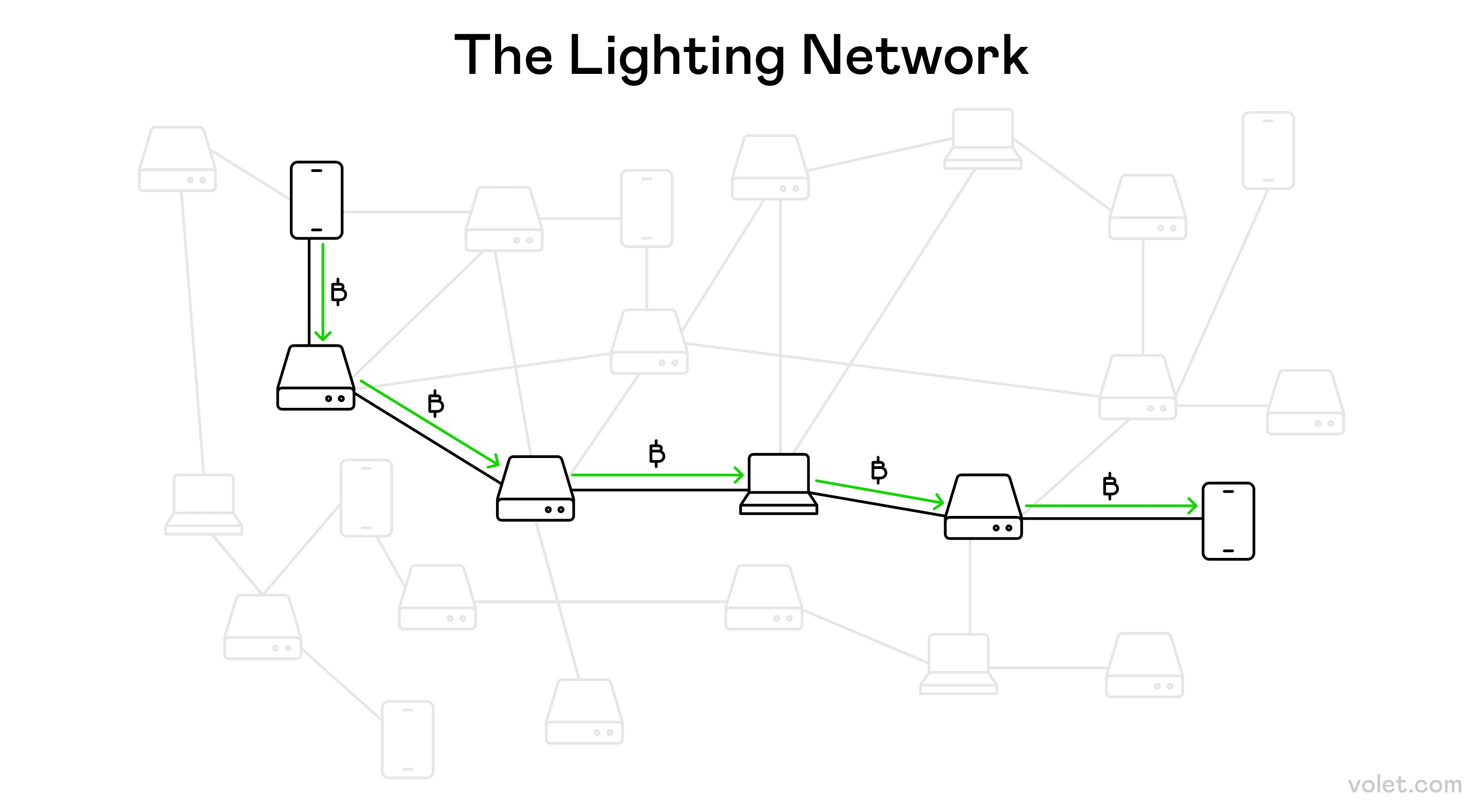
I still remember the first time I used the Lightning Network. I was showing a skeptical friend how crypto works, and his eyes nearly popped out when the funds arrived before I'd even finished my explanation! ⚡
Bitcoin Lightning Network payments are the fastest way to send Bitcoin today. This second-layer solution, built on top of the Bitcoin blockchain, enables near-instantaneous transfers that complete in seconds rather than minutes or hours.
How to Use the Lightning Network:
- Download a Lightning-compatible Bitcoin wallet, such as Muun Wallet, Phoenix, or Wallet of Satoshi.
- Fund your Lightning wallet directly or from an existing BTC wallet.
- Scan the recipient's Lightning invoice QR code or paste their Lightning address.
- Send the funds and watch them arrive in seconds.
- Enjoy minimal network fees compared to on-chain transactions.
The Lightning Network isn't just theoretical—it's actively used by millions of people. By switching to Lightning, you can reduce transfer times from 30–60 minutes to just 1–3 seconds.
2. Exchange-to-Exchange Internal Transfers
I discovered this method completely by accident while helping my cousin get into crypto. We both had Binance accounts, and I was preparing to give him the whole "now we wait for blockchain confirmation" speech when the funds appeared instantly in his account. Mind. Blown. 🤯
When transferring between accounts on the same exchange, you can bypass blockchain confirmation times entirely.
Steps for Instant Exchange Transfers:
- Ensure both you and the recipient have accounts on the same exchange (e.g., Coinbase, Binance, or Kraken).
- Use the platform's internal transfer feature (often labeled "Send" or "Transfer").
- Enter the recipient's email or username associated with their account.
- Complete the transfer instantly with zero network fees (though some exchanges may charge a small service fee).
This method is particularly useful for sending funds to friends, family, or business partners who use the same platform. Many exchanges now offer free internal transfers, making this both the fastest and cheapest option when applicable.
3. Stablecoin Transfers
During the great market crash of 2022, I was trying to move assets between exchanges while prices were plummeting. In desperation, I converted to USDC on Solana—and that decision probably saved me thousands. Now it's my secret weapon for urgent transfers.
Bitcoin transactions typically require multiple confirmations, but some cryptocurrencies are designed for faster settlement.
How to Use Stablecoins for Faster Transfers:
- Convert your Bitcoin (BTC) to a stablecoin on a faster blockchain, such as USDC on Solana, USDT on Tron, or USDC on Avalanche.
- Send the stablecoin to the recipient's compatible wallet address.
- The recipient can then convert the stablecoin back to Bitcoin if needed.
Solana-based transfers typically complete in 2–5 seconds, while Avalanche and Tron transactions settle in under a minute. This approach is significantly faster than native Bitcoin transfers while maintaining stable value during the transfer.
4. Optimized Bitcoin On-Chain Transfers
Sometimes you just have to use the main Bitcoin network. After years of trial and error (and plenty of frustrating waits), I've found a way to make even on-chain transfers relatively quick.
When you must use the main Bitcoin network, you can still optimize for speed.
Steps for Fastest On-Chain Bitcoin Transfers:
- Use a Bitcoin wallet with custom fee settings, such as Electrum or BlueWallet.
- Check current network congestion using a service like mempool.space.
- Set your network fee to "Priority" or manually set it higher than the current recommended rate.
- Use SegWit or Native SegWit (bech32) addresses, which process faster and with lower fees.
- Send your transaction during off-peak hours when possible (e.g., weekends or during Asian night hours).
This approach typically gets your transaction confirmed within 1–3 blocks (10–30 minutes), compared to the hours it might take with default settings.
Getting Set Up for Fast Transfers
After one too many "urgent transfer emergencies," I developed a ritual to ensure I'm always ready for fast moves. To ensure you're always ready to make the fastest possible transfers, follow this setup process:
Step 1: Create and Verify Accounts in Advance
Before you need to make urgent transfers, set up and verify accounts on at least two major exchanges:
- Complete full verification (KYC) on exchanges like Coinbase and Binance.
- Link your bank account, credit or debit card, and payment methods like Apple Pay or Google Pay.
- Make a small test purchase to ensure everything works properly.
Having verified accounts ready eliminates the 1–3 day verification delay that often occurs when trying to buy Bitcoin instantly during urgent situations.
Step 2: Set Up Multiple Wallet Types
Different transfer scenarios require different tools. Set up these essential wallets:
- Lightning Network Wallet: For instant small to medium transfers.
- Mobile Hot Wallet with Custom Fee Settings: For convenient on-chain transfers.
- Exchange Wallet: For instant transfers to other users on the same platform.
- Hardware Wallet (e.g., Ledger or Trezor): For securely storing larger amounts not needed for fast transfers.
By having this ecosystem ready, you can always choose the fastest method for your specific transfer needs.
Step 3: Fund Your Speed-Optimized Wallets
Maintain a strategic distribution of your cryptocurrency:
- Keep 10–20% of your active funds in Lightning channels for instant transfers.
- Hold some stablecoins on fast networks for quick value transfers.
- Maintain small balances on major exchanges for immediate internal transfers.
- Store your long-term holdings in more secure but slower wallets.
This distribution ensures you're always ready for any speed requirement without sacrificing overall security.
Common Speed Problems and Instant Solutions
Let me share some fixes I've discovered for the most frustrating transfer problems I've encountered:
Transaction Stuck Pending
Solution: If your Bitcoin transaction is stuck, and your wallet supports Replace-By-Fee (RBF), you can increase the fee to accelerate confirmation. For example, in Electrum, right-click the transaction and select "Increase fee" to push it through faster. This feature allows you to prioritize your transaction by paying a higher fee, ensuring it gets included in the next block.
Exchange Withdrawal Delays
Solution: Many exchanges batch withdrawals or impose manual reviews for security purposes. To avoid these delays:
- Use exchanges with automatic withdrawal processing.
- Verify withdrawal addresses in advance.
- Stay under the automatic withdrawal limits.
- Use exchanges that offer "instant withdrawal" features.
By following these steps, you can minimize delays and ensure your funds are transferred quickly.
Need to Transfer Value Between Different Cryptocurrencies Quickly
Solution: Use an instant swap service like ChangeNOW or Sideshift.ai, which doesn't require account creation. These services allow you to convert between cryptocurrencies in minutes, eliminating the need for two separate transactions. This is particularly useful when time is of the essence.
My Closing Thoughts
Speed matters in the world of cryptocurrency. Whether you're taking advantage of a market opportunity, making an urgent payment, or simply valuing your time, knowing the fastest transfer methods gives you a significant advantage in your crypto journey.
The day I finally got all my crypto transfer systems set up properly was honestly life changing. I went from constantly stressing about move times to confidently making transfers in seconds. It's given me the freedom to act quickly on opportunities and the peace of mind knowing I can access my funds when needed.
Remember that the cryptocurrency landscape continues to evolve rapidly. The Lightning Network and other layer-2 solutions are making Bitcoin transfers faster than ever before, while new blockchains are constantly pushing the boundaries of transaction speed. Stay informed about new developments, as yesterday's fastest method might be outpaced by tomorrow's innovation.
Frequently Asked Questions
What's the difference in speed between different Bitcoin address types?
Native SegWit (bech32) addresses starting with "bc1" offer the fastest confirmation times and lowest fees, followed by SegWit (starting with "3"), and finally Legacy addresses (starting with "1"). Using Native SegWit can make your transactions confirm 15–25% faster during network congestion.
How can I tell if a wallet supports Lightning Network transfers?
Look for terms like "Lightning," "LN," or the Lightning bolt symbol in the app description. Popular Lightning wallets include Phoenix, Breez, Blue Wallet (with Lightning integration), and Wallet of Satoshi. Always check if the recipient can accept Lightning payments before sending.
What's the minimum time needed for one Bitcoin confirmation?
A Bitcoin block is mined approximately every 10 minutes, though this varies. With a high priority fee, your transaction will likely be included in the next block, resulting in a 10-minute average confirmation time. The Lightning Network bypasses this limitation entirely.
Can exchanges really offer instant withdrawals?
Some exchanges offer "instant withdrawals" for verified users up to certain limits. These work by the exchange pre-funding hot wallets and taking on the confirmation risk themselves. Binance, Volet.com, and Crypto.com offer this feature for select cryptocurrencies and withdrawal methods.
If speed is critical, which cryptocurrencies are the fastest overall?
For absolute speed, Solana (400ms finality), Avalanche (1–2 second finality), and Stellar (3–5 second finality) offer the fastest native blockchain transfers. However, Bitcoin's Lightning Network matches or exceeds these speeds for Bitcoin transfers specifically.
Can Bitcoin be sent instantly?
Yes. Technologies like the Lightning Network allow near-instant Bitcoin transfers with minimal transaction fees.
What affects Bitcoin transaction speed?
Transaction speed depends on network congestion, transaction fees, and the payment method used.
What is the fastest way to transfer Bitcoin?
Using the Lightning Network or internal exchange transfers is typically the fastest method for sending Bitcoin.
Disclaimer
This article is provided for informational purposes only and does not constitute legal, financial, or professional advice. All content is based on publicly available information and personal opinions. Readers are advised to seek professional guidance before making any decisions or taking any actions based upon the material presented. The author and publisher assume no liability for any actions taken or not taken by the reader based on the information contained herein.